KH
 FR
 AR
 CN
Philippines Vows to Deepen Agricultural Cooperation with Cambodia
AKP Phnom Penh, October 23, 2026 —
The Philippines has pledged to strengthen and expand agricultural cooperation with Cambodia, with both countries seeking to boost bilateral trade, promote private-sector partnerships and explore new business opportunities for mutual benefit.
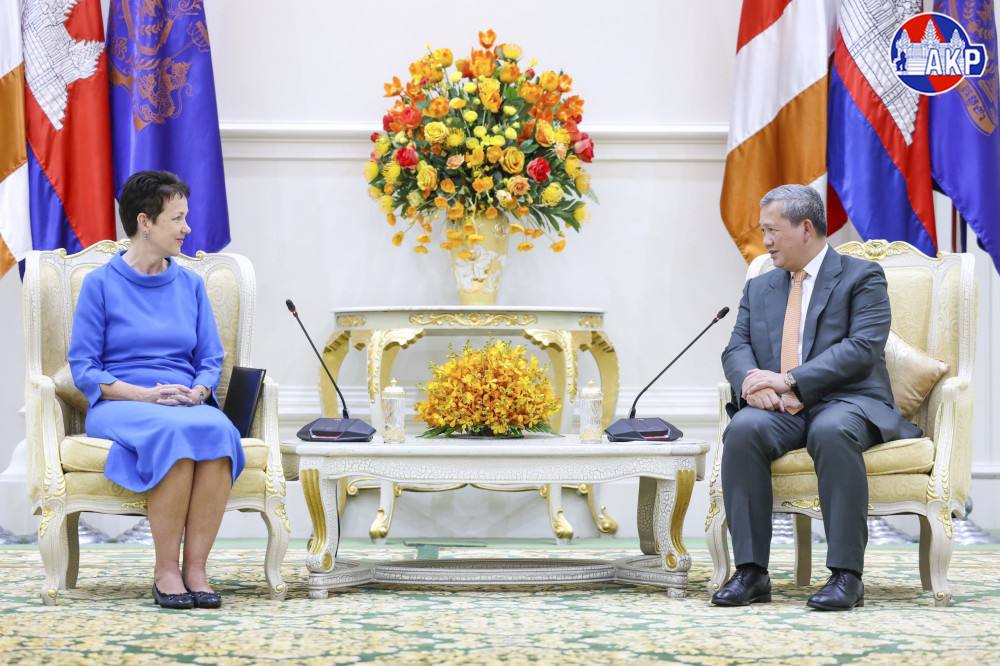
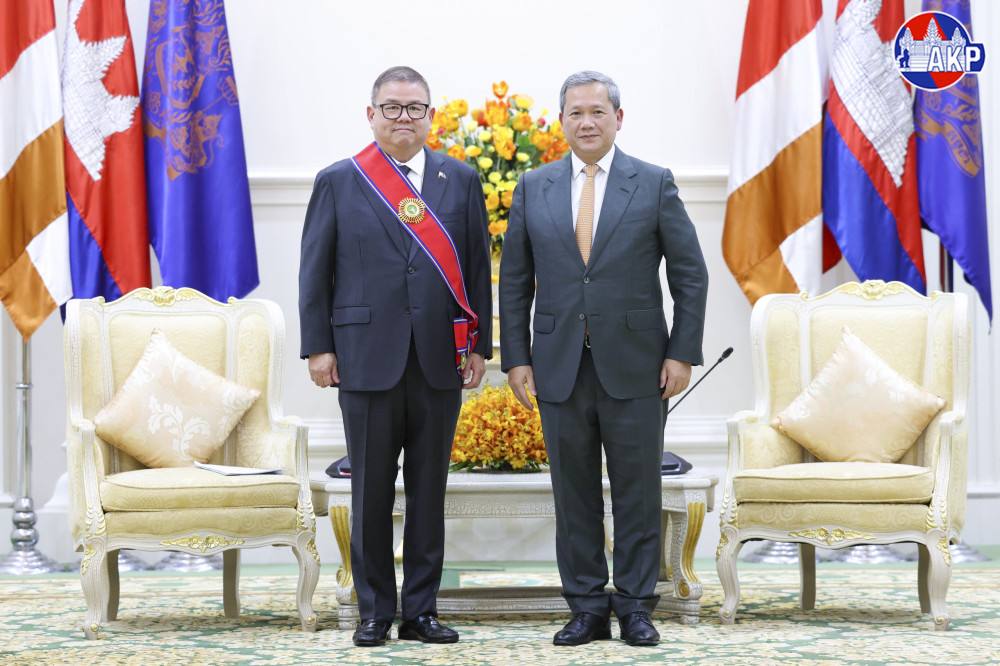
The commitment was made by H.E. Francisco P. Tiu Laurel, Jr., Secretary of Agriculture of the Philippines, during a courtesy call and working meeting with Samdech Moha Borvor Thipadei Hun Manet, Prime Minister of Cambodia, at the Peace Palace in Phnom Penh on the afternoon of Oct. 23.
H.E. Francisco P. Tiu Laurel expressed his deep appreciation for the warm welcome and hospitality extended to him and his delegation during their visit to Cambodia and participation in the Cambodia Agriculture Forum and Expo 2026 (CAFE26).
He described Cambodia as a longstanding friend and important partner of the Philippines, expressing satisfaction with the progress in bilateral relations and reaffirming his commitment to further strengthening cooperation, particularly in agriculture and trade.
The Philippine Agriculture Minister also highlighted his country’s agricultural potential and expressed interest in expanding exports of agricultural products, including marine fish and fruit, to the Cambodian market. He encouraged closer links between the private sectors of the two countries to identify and seize new opportunities for complementary trade that would benefit both nations and their peoples.
In response, Samdech Thipadei Hun Manet welcomed the Philippine Minister’s visit, noting that frequent exchanges of visits between the two countries’ leaders reflected the progress of their longstanding friendship and offered new opportunities to deepen bilateral cooperation.
The Cambodian Prime Minister expressed satisfaction with the existing bilateral relations and cooperation, particularly the steady growth in bilateral trade. He also emphasised the importance of strengthening intra-ASEAN trade to enhance regional resilience, maintain stable supply chains and ensure food security.
Both sides recognised the importance of strengthening private-sector connections, including through the regular organisation of business-matching forums, to facilitate trade and identify new investment and commercial opportunities.
Samdech Thipadei also highlighted the value of study visits and exchanges among students to develop human resources and promote the sharing of agricultural knowledge, skills and experience between the two countries.


By C. Nika