KH
KH  FR
FR  AR
AR CN
CNCambodia Expresses Gratitude to Japan for Decades of Rebuilding and Economic Support
AKP Phnom Penh, July 16, 2026 —
Cambodian Deputy Prime Minister and Minister of Economy and Finance H.E. Academician Aun Pornmoniroth has expressed deep gratitude to the Japanese government for its pivotal role in the country’s reconstruction and ongoing socio-economic development since the dawn of the peace process.
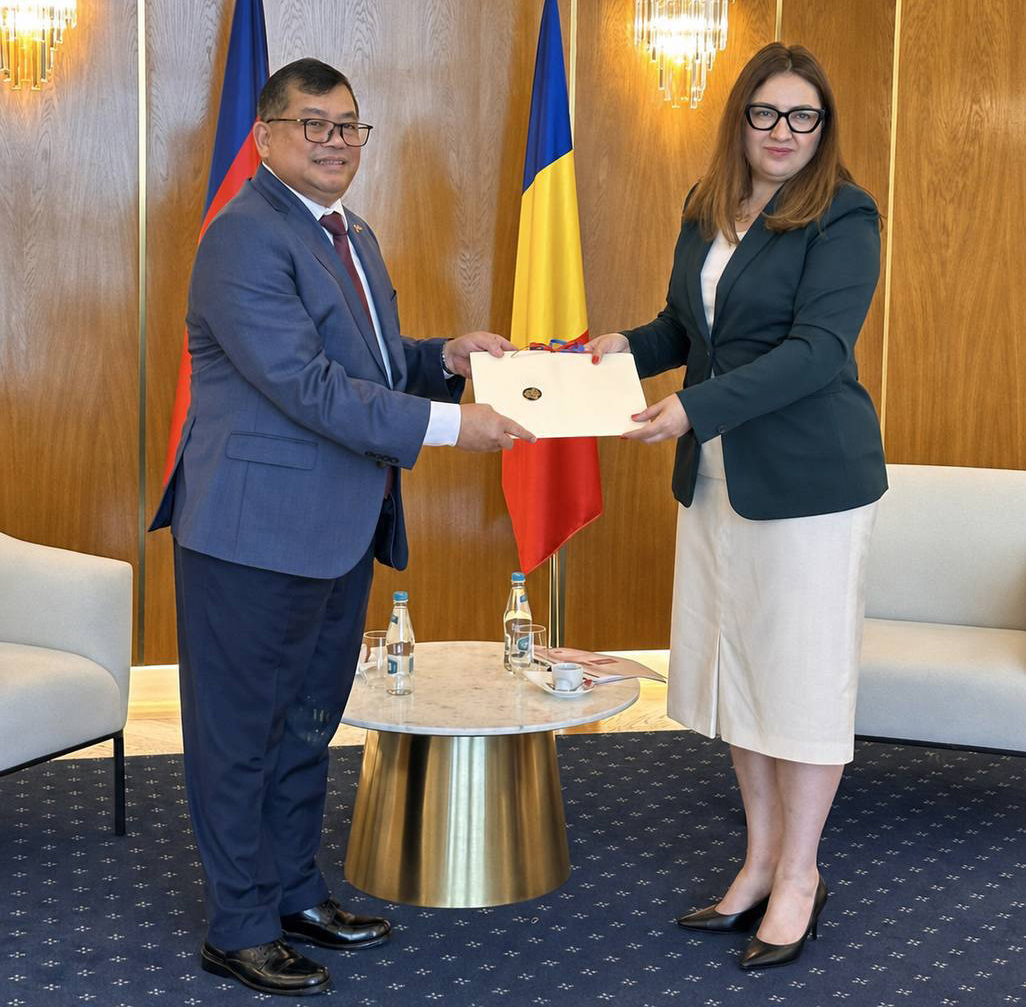
During a courtesy call by outgoing Japanese Ambassador H.E. Ueno Atsushi on July 15, H.E. Aun Pornmoniroth highlighted Tokyo's continuous support, which spans from Cambodia's early peace-seeking years to its modern economic transformation.
According to ministry data, Japan’s Official Development Assistance (ODA)—highly focused on concessional loans aligned with Cambodia's National Strategic Development Plan—has served as a cornerstone for the nation's progress.
As of June 2026, the Japan International Cooperation Agency (JICA) has signed 39 concessional loan agreements to finance 25 projects and programmes, totaling 422,179 million yen (approximately US$3.515 billion). Out of these initiatives, 12 are currently ongoing, while 13 have been successfully completed.
Academician Aun Pornmoniroth highly commended Ambassador Ueno for his dedicated service and significant achievements during his diplomatic tenure from 2023 to the end of 2026.
During Ueno's term, bilateral development cooperation surged, with Cambodia securing assistance for 26 initiatives—comprising 14 concessional loan projects and 12 grant aid programmes—valued at approximately US$1.652 billion.
In 2026 alone, Japan's concessional loans covered six projects totaling roughly US$700 million, while grant aid spanned three projects worth approximately US$11 million. Tokyo has also committed to providing a new concessional loan package worth US$188 million, scheduled to be signed later this year.
Looking forward, the Royal Government of Cambodia expressed a strong desire to look beyond infrastructure development and further leverage Japan's expertise to diversify its economy. Key areas earmarked for future collaboration include private sector investment, green economy initiatives, advanced logistics, digital infrastructure, agriculture, and soft-skills human resource development.

By Phal Sophanith