KH
KH  FR
FR  AR
AR CN
CNChina Considers Cambodia a Diplomatic Priority, Premier Li Qiang Affirms
AKP Phnom Penh, July 16., 2026 —
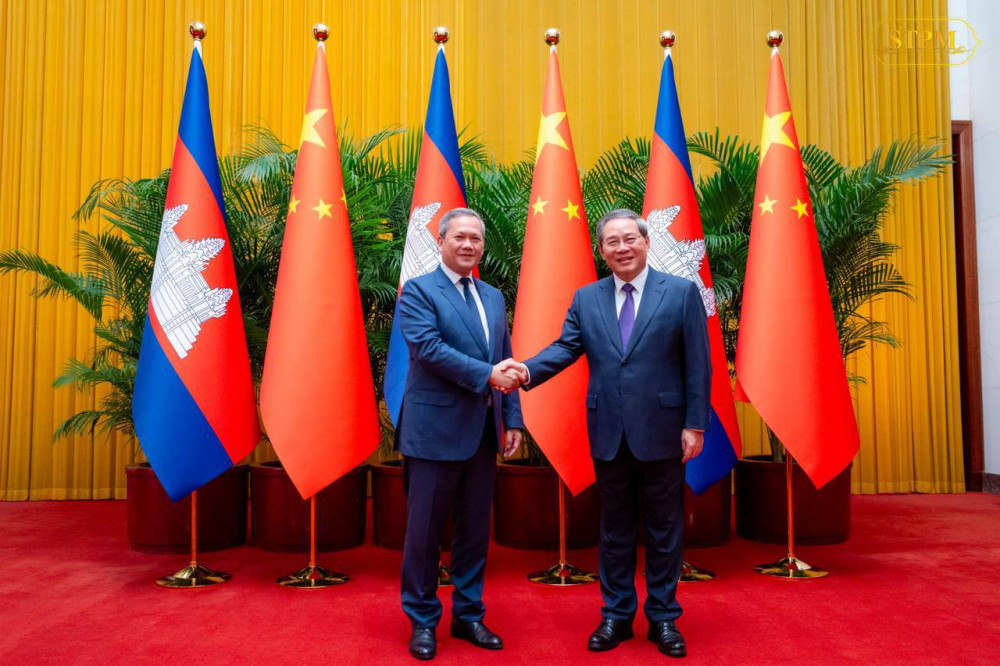
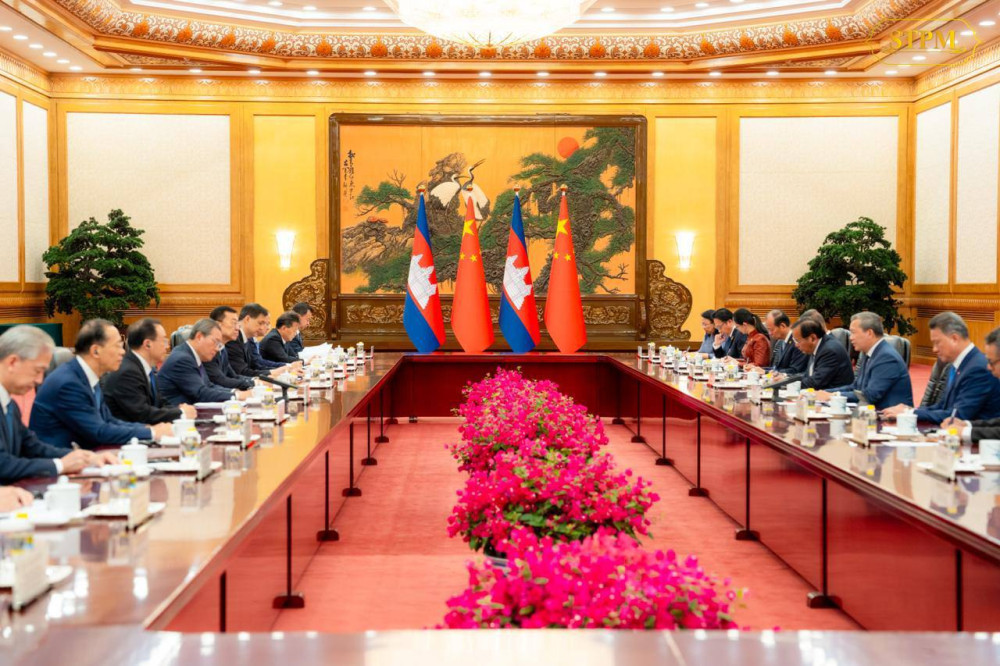
Chinese Premier H.E. Li Qiang has reaffirmed that China regards its relationship with Cambodia as a diplomatic priority, emphasising the "ironclad" friendship between the two nations during bilateral talks with Cambodian Prime Minister Samdech Moha Borvor Thipadei Hun Manet on July 16.
The meeting took place on the sidelines of the World Conference on Artificial Intelligence, during Samdech Thipadei's working visit to China from July 15–17.
Premier Li Qiang expressed great pleasure at meeting Samdech Thipadei once again, noting that the frequent exchanges and active consultations at all levels and across all sectors reflect the strength and continued momentum of bilateral relations. He stressed that China and Cambodia are close, ironclad friends and will continue to cooperate and support each other in promoting their respective modernisation efforts while jointly addressing global uncertainties.
In response, the Cambodian Prime Minister expressed profound gratitude for China's warm hospitality and highly valued the progress of Cambodia-China relations, describing both nations as comprehensive strategic partners and ironclad friends, working together to build a "Cambodia-China Community with a Shared Future in the New Era."
He reaffirmed Cambodia's unwavering commitment to the One-China Principle, considering issues related to Taiwan, Hong Kong, Xinjiang, and Tibet as China's internal affairs.
The two leaders exchanged views on initiatives to further expand cooperation in key sectors, including politics and diplomacy, economy and trade, connectivity infrastructure, green energy, agriculture, defence and security, as well as people-to-people exchanges in tourism and education.
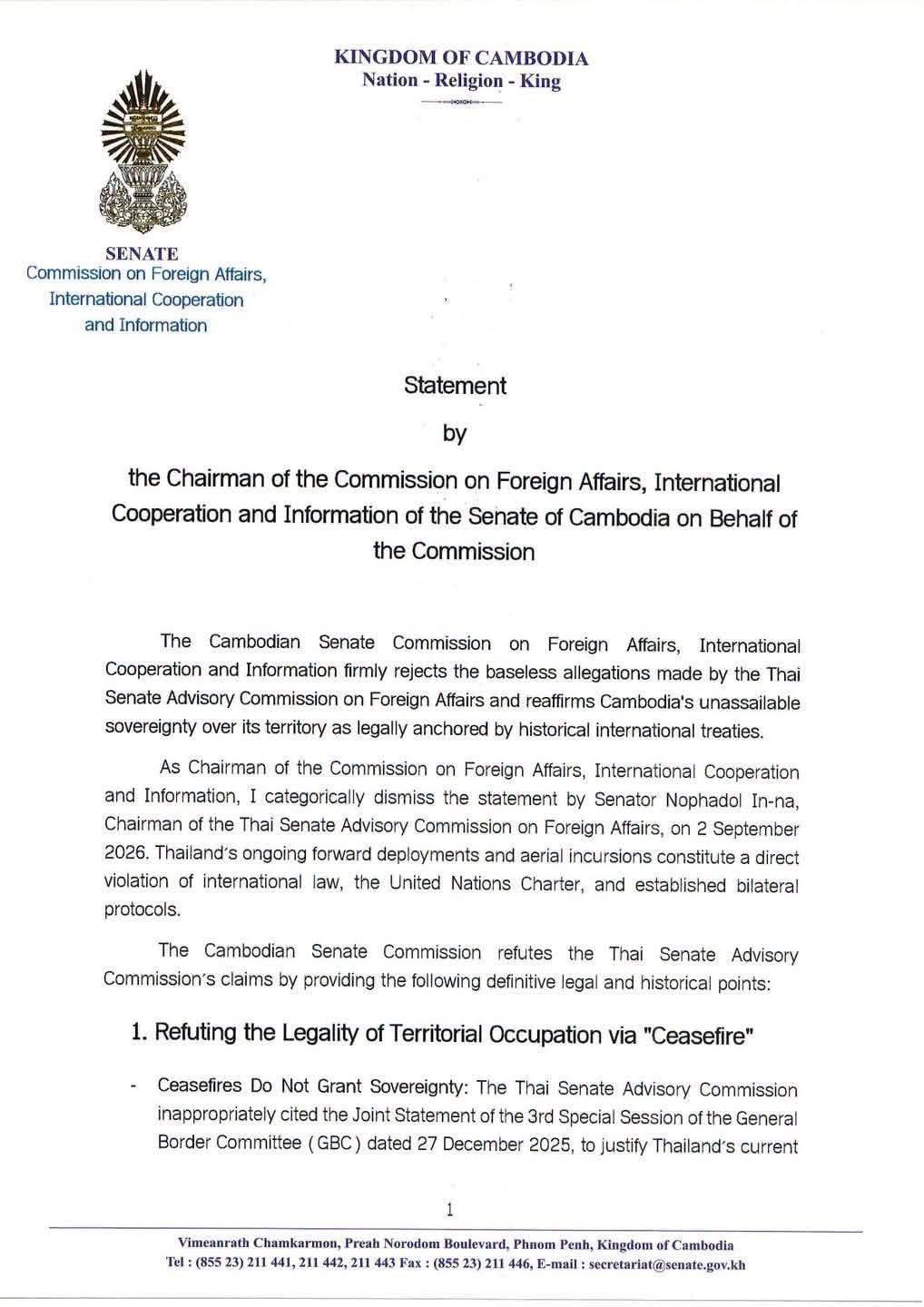
Samdech Thipadei Hun Manet also briefed Premier Li on recent developments along the Cambodia-Thailand border, reiterating Cambodia's commitment to resolving border issues peacefully, based on international law and in compliance with existing bilateral agreements.
By C. Nika