KH
KH  FR
FR  AR
AR CN
CNLocal Grapes Emerge as New Agritourism Highlight in Cambodia's Siem Reap
AKP Phnom Penh June 01, 2026 --
Grapes are rapidly emerging as a promising new segment in Cambodia's agricultural sector, driving a fresh wave of agritourism in Siem Reap Province – a region globally renowned for its heritage and ecotourism landmarks.
While commercial grape cultivation in Cambodia was traditionally limited to Battambang and select provinces, Siem Reap is experiencing a successful shift toward high-value crops. Local farmers have successfully transitioned from small-scale family gardening to robust, yield-producing agricultural ventures, introducing durian and grape varieties previously unseen in the region.
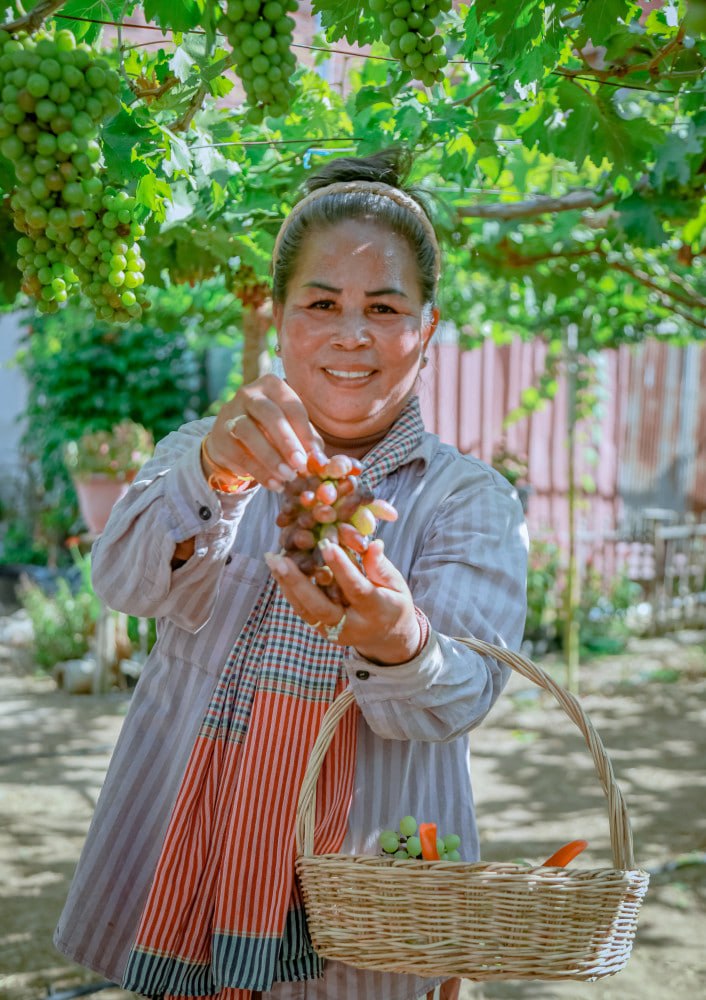
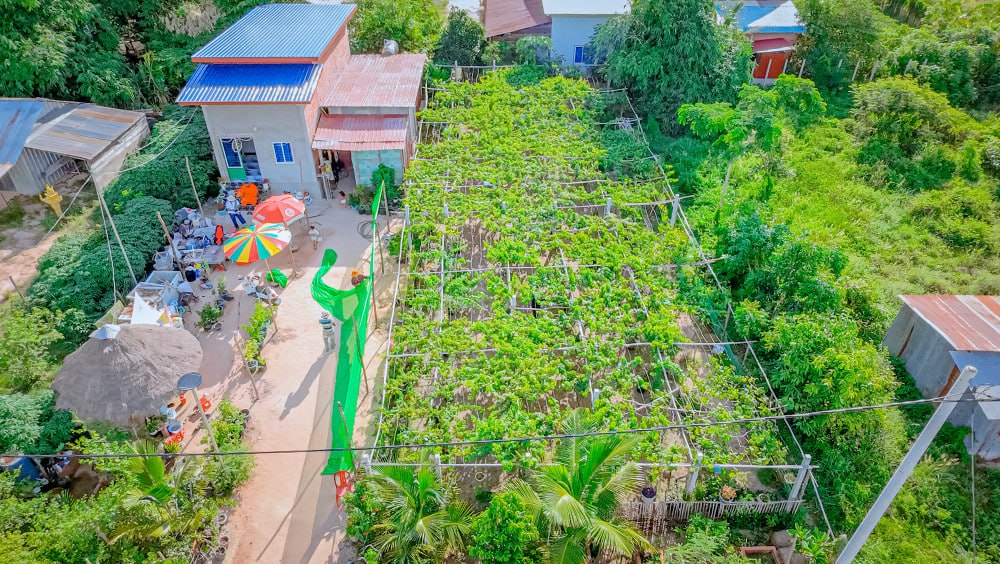
A prominent example is the vineyard managed by local farmer Sam Vanna in Run Ta Ek Techo Sen City. Her venture has gained significant traction among consumers for its high-quality taste and locally grown appeal.
Following comprehensive training from agricultural specialists, Vanna launched a pilot project on a modest 10-by-30-metre household plot, planting 60 grapevines. Utilising organic fertilisers and expert technical guidance over a 10-month cultivation cycle, the trial yielded highly favourable results.
"Our goal was to diversify Siem Reap’s tourism and economic profile," Vanna said. "Historically, the province has been synonymous with ancient temples and natural reserves, lacking the diverse fruit cultivation seen elsewhere. Today, we have successfully established multiple durian orchards and are now expanding into viticulture."
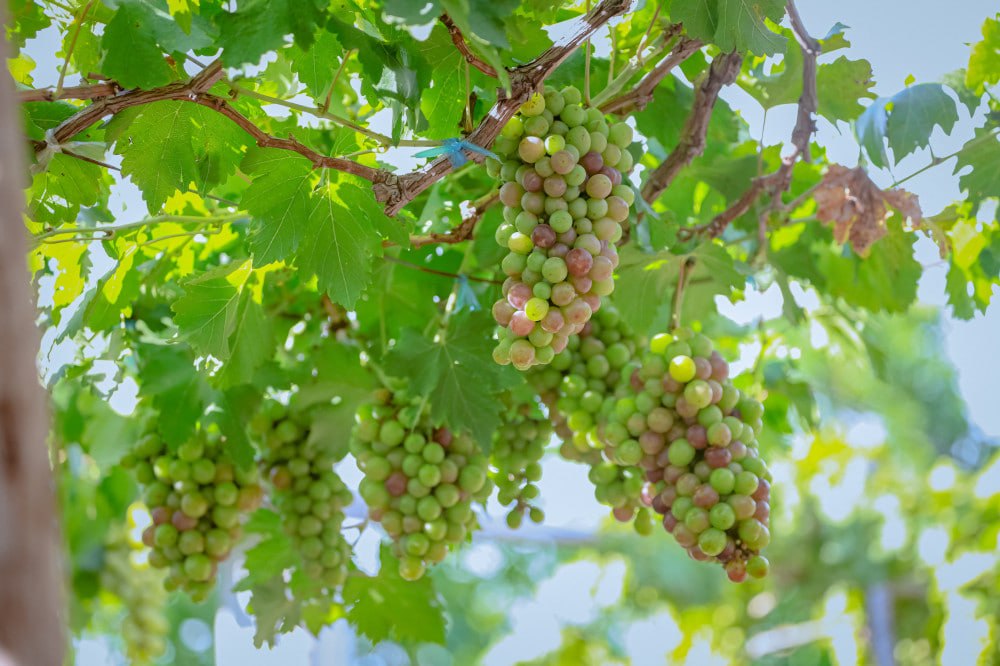
The vineyard features five distinct grape varieties imported from Israel, Japan, and the United States. Following an initial harvest in February, the current crop is projected to reach optimal ripeness around June 15, 2026. The produce commands a premium market price of 45,000 Riel (approximately US$11) per kilogramme, generating sustainable domestic revenue.
Despite the limited seasonal supply, the vineyard has already become a popular agritourism destination, drawing up to 100 domestic visitors daily during weekends.
"Looking ahead, I plan to acquire more land to scale this into a major provincial vineyard," Vanna added. "I encourage local landowners with larger plots to explore grape cultivation. This will not only satisfy local demand but also establish a supply chain for domestic export to Phnom Penh and other provinces."
Beyond their economic value, grapes are heavily marketed in the region for their nutritional and therapeutic benefits.
Health experts note that the fruit is rich in essential sugars, organic acids, vitamin C, iron, and calcium, which contribute to cardiovascular and cognitive health. Locally, the crop also services the traditional medicine sector, where grapevine stalks and roots are utilised in holistic treatments, alongside growing potential for the domestic wine processing industry.
Article in Khmer by Khuth Sao
Article in English by K. Rithy Reak