KH
 FR
 AR
 CN
Third China-Cambodia-Thailand Track II Dialogue Held in Shenzhen, Focusing on Lasting Peace and Border Stability
AKP Phnom Penh, October 25, 2026 --
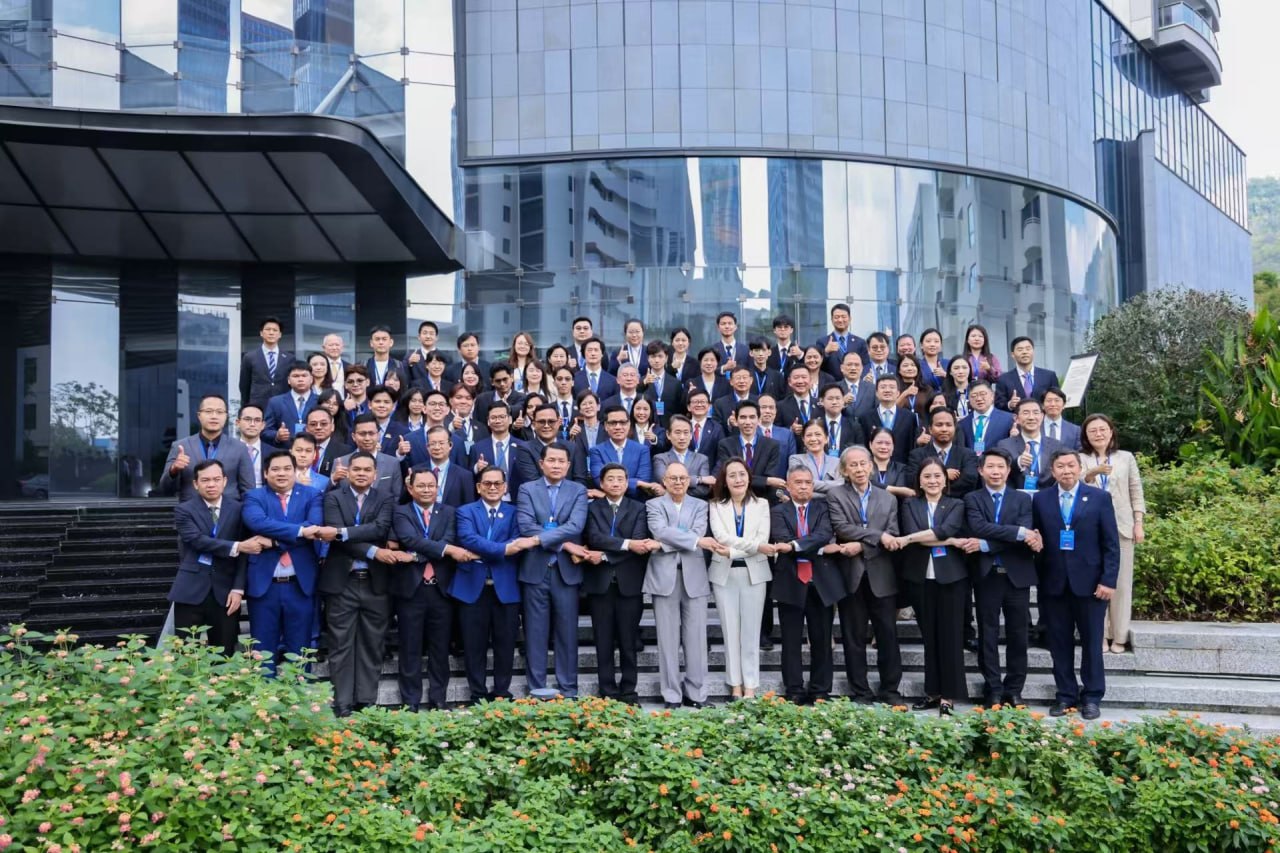
The third China-Cambodia-Thailand Track II Dialogue, themed "Implementing the Fuxian Consensus and Consolidating the Foundation for Lasting Peace," was recently held in Shenzhen and hosted by China Foreign Affairs University.
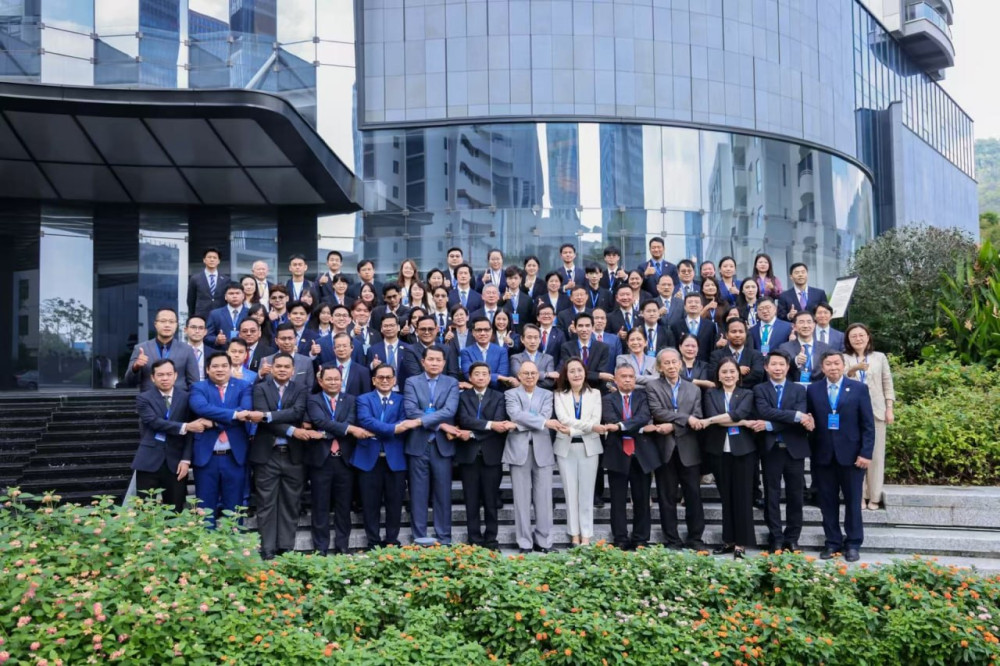
Nearly 100 participants from China, Cambodia and Thailand attended, including think tank scholars, representatives of civil society organisations and humanitarian agencies, and university students. Discussions focused on implementing the five-point consensus reached at the Fuxian Meeting, easing Cambodia-Thailand tensions, and maintaining regional peace and stability.
Sun Jisheng, Vice President of China Foreign Affairs University, said the meeting focused on preventing a renewed escalation of tensions and laying a solid foundation for lasting peace. She noted that rebuilding mutual trust was an important step toward resolving the Cambodia-Thailand border conflict and advancing bilateral cooperation. She added that Track II diplomacy could foster greater understanding and reconciliation through communication at multiple levels.
Emily Chan Ying-yang, Chief Executive Officer of the GX Foundation, called for translating consensus on humanitarian assistance, mental health and psychosocial support into concrete action. Drawing on the foundation’s work in Cambodian communities, she stressed that basic public health interventions could help improve the physical and mental well-being of displaced people.
At the opening ceremony, Yang Yue, Deputy Director of the Institute of Asian Studies at China Foreign Affairs University, presented the Progress Report on the Track II Dialogue, reviewing the outcomes of previous rounds and outlining the evolution of the dialogue mechanism.
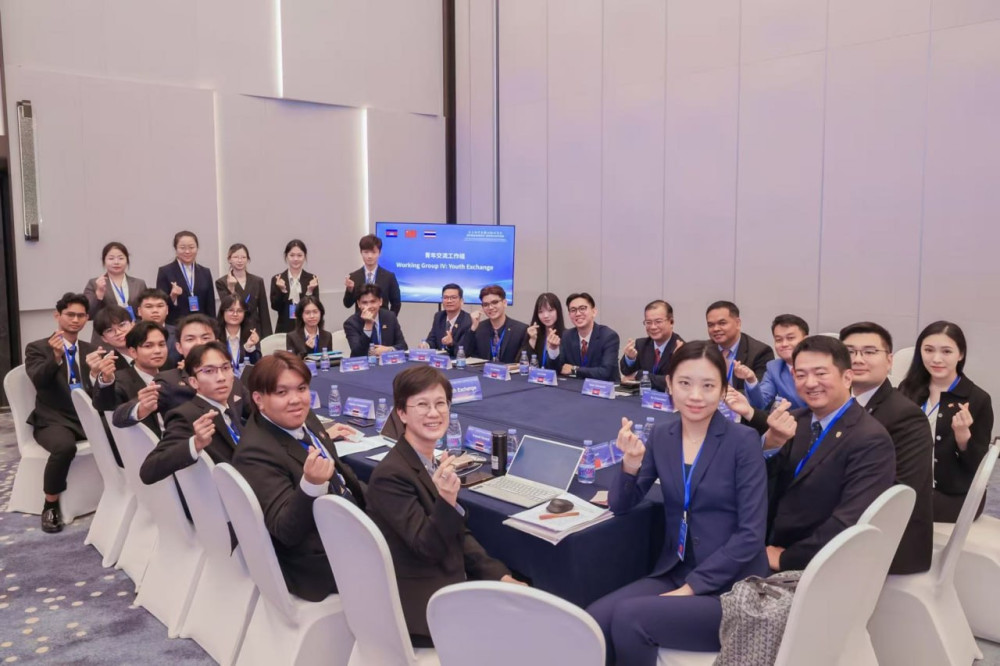
The dialogue featured four working groups: International Law; Economy and Livelihoods; Public Health and Humanitarian Assistance; and Youth Exchange. The four groups were coordinated respectively by Professor Sienho Yee of the Department of International Law and Professor He Min of the Department of International Economics, both at China Foreign Affairs University; Professor Su Xiaoyou of Peking Union Medical College; and Professor Gu Jiayun, Vice-Dean of the School of Asian Studies at Beijing Foreign Studies University. Participants exchanged views on border security, border reopening, livelihood recovery, and youth participation in the peace process.
After a day of discussions, the working groups delivered several outcomes. The International Law group stressed that rebuilding mutual trust was key to overcoming the security dilemma, noting that the withdrawal of heavy weapons could help advance reconciliation. The Economy and Livelihoods group issued a Consensus Outcome Document, recommending further discussions on gradually reopening the border. The Public Health and Humanitarian Assistance group developed a cooperation action plan on mental health and psychosocial support. The Youth Exchange group issued the China-Cambodia-Thailand Youth Peace Initiative, proposing to explore a youth peace ambassador exchange mechanism and to provide training in diplomatic mediation.
At the closing ceremony, Sun Jisheng said that although participants held differing views on some issues, the people of Cambodia and Thailand shared a common aspiration for peace, stability and development. She added that China Foreign Affairs University would continue to promote regular exchanges among the three countries and help translate the dialogue’s outcomes into practical action, contributing to easing Cambodia-Thailand relations and achieving lasting peace.
By Freya Song, Special Correspondent for Agence Kampuchea Presse (AKP)