KH
KH  FR
FR  AR
AR CN
CNPchum Ben: Cambodia’s Sacred Festival of Remembrance, Filial Piety and Family Reunion
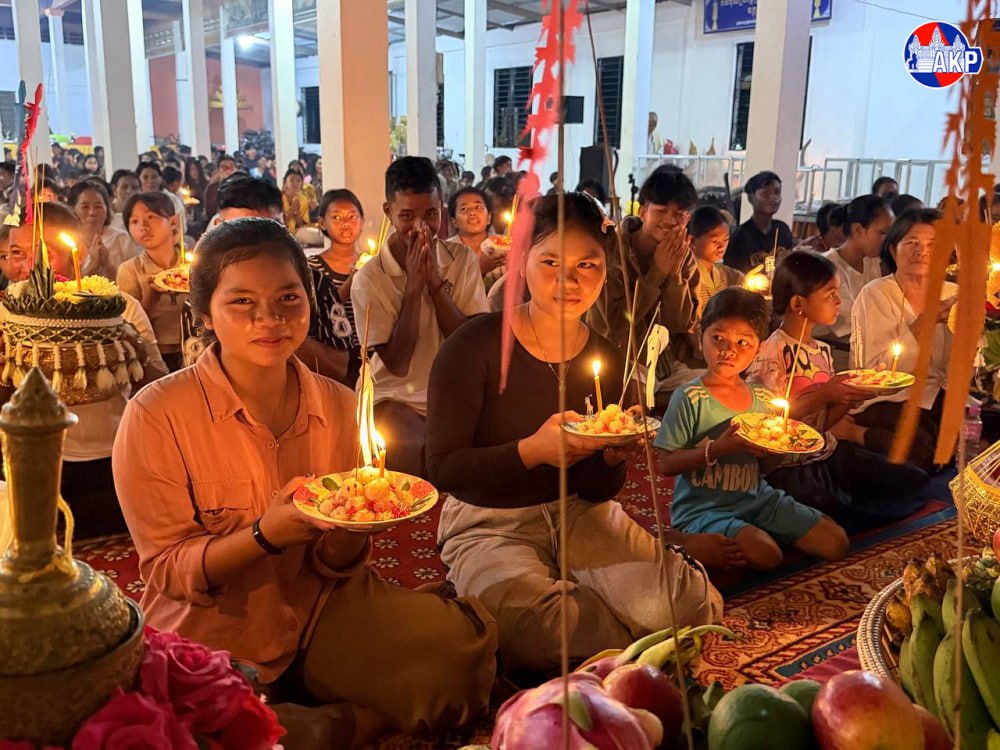
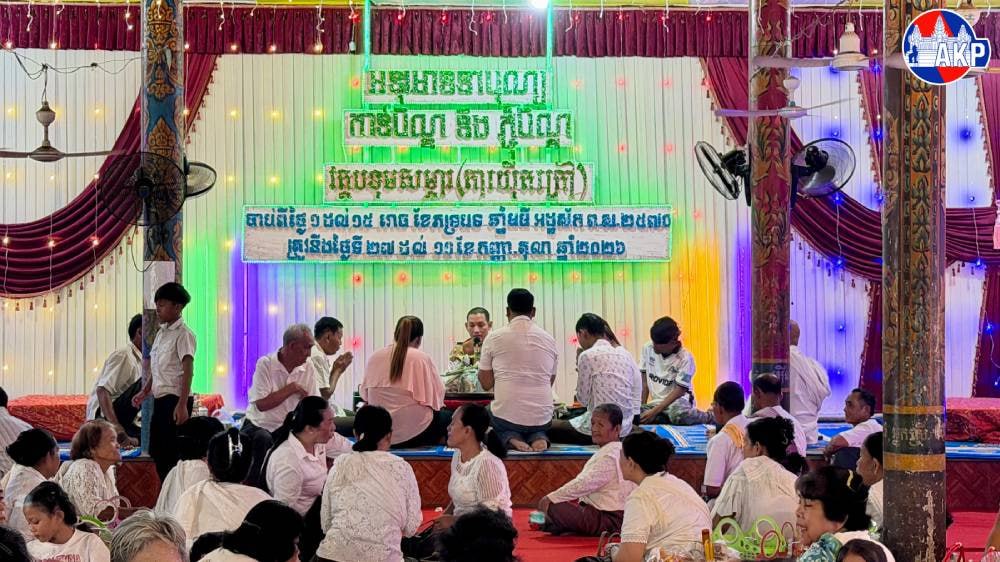
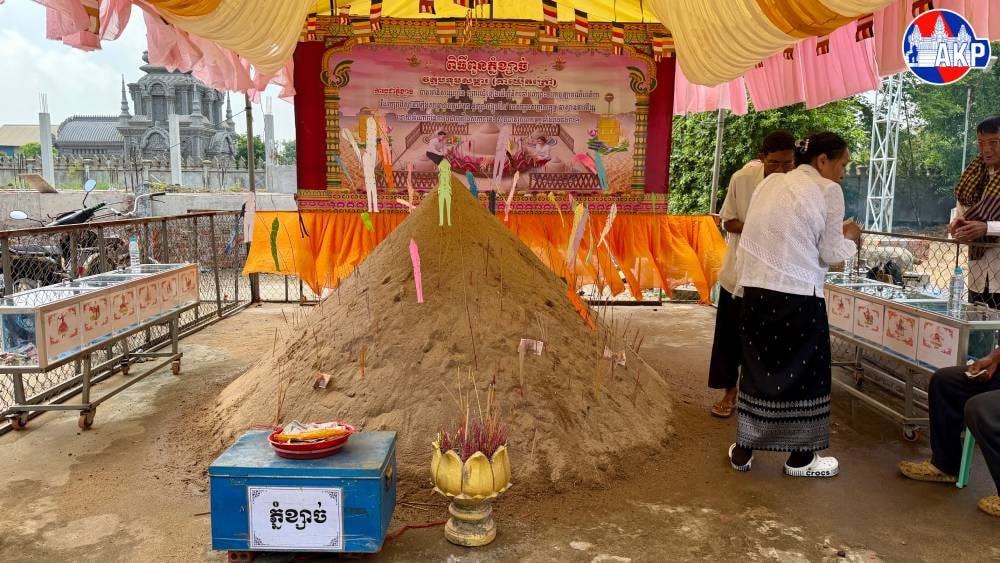
AKP Phnom Penh, October 10, 2026 -- Pagodas across Cambodia come alive with the sounds of Buddhist chanting, the aroma of freshly prepared offerings and the quiet devotion of families gathering to honour their ancestors during Pchum Ben.
For Cambodians, this deeply rooted traditional festival is more than a religious observance; it is a cherished expression of gratitude, filial piety, compassion and the enduring bonds between the living and the dead.
Observed during a 15-day period in the tenth month of the Khmer lunar calendar, Pchum Ben culminates in three major days of celebration, when people from all walks of life return to their hometowns, visit pagodas and reunite with relatives to pay tribute to deceased parents, grandparents and other ancestors.
The festival holds a special place in Cambodia’s cultural and spiritual identity, reflecting the values of respect for elders, devotion to family and generosity towards others that have been passed down through generations.
The term “Pchum Ben” derives from the Khmer word “Pchum”, meaning “to gather”, and “Ben”, which refers to the Sanskrit word “Binda”, meaning the rice balls offered to the spirits of the deceased for the creation of their spiritual bodies after death. Together, the words capture the spirit of a festival centred on making religious offerings and bringing families and communities together.
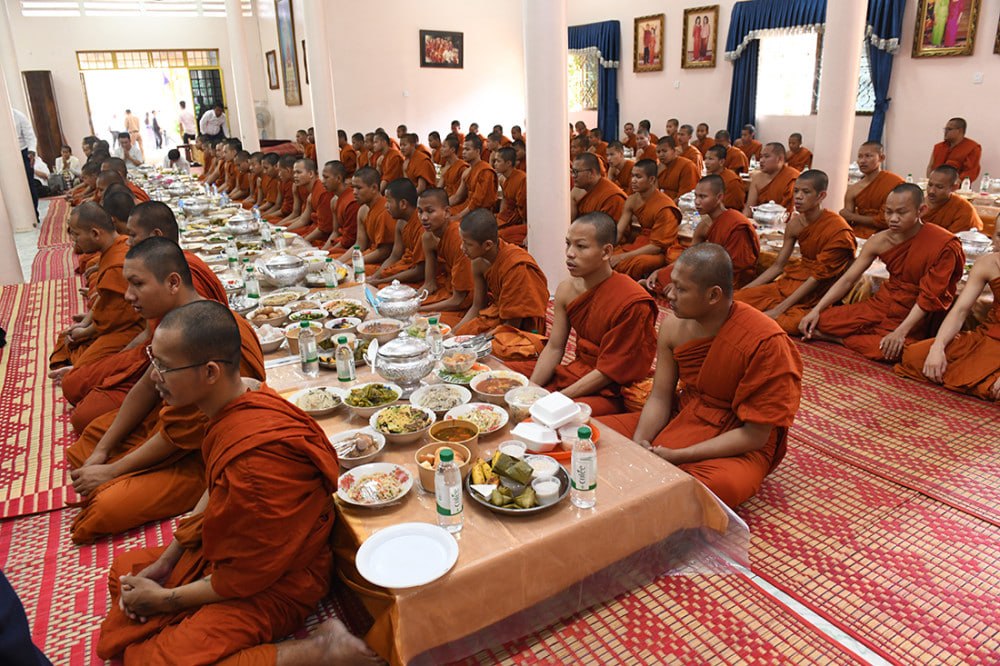
According to Cambodian Buddhist tradition, the festival provides an important opportunity for people to dedicate the merit gained from good deeds to deceased relatives. Through acts of generosity, prayers and the offering of food to Buddhist monks, the faithful express their gratitude to those who came before them and seek spiritual blessings for their departed loved ones.
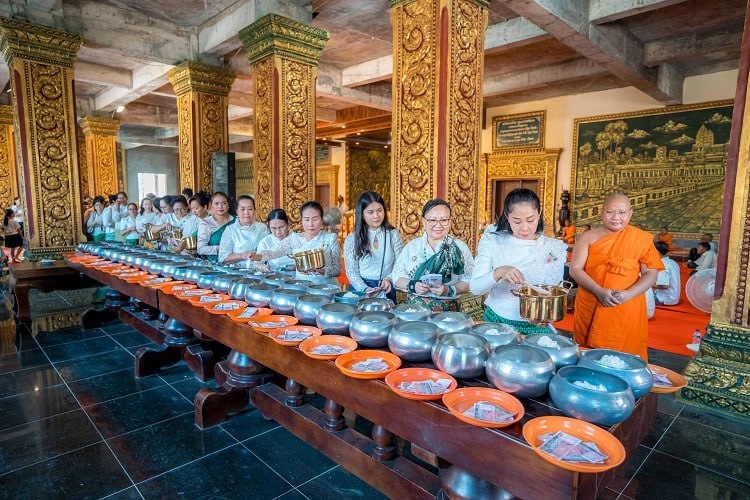
During the 15-day observance, many families visit pagodas at dawn to offer rice, prepared dishes, fruit and other necessities to monks. These offerings support the monastic community while allowing the faithful to practise dana, or generosity, one of the fundamental virtues of Buddhism.
For many Cambodians, the observance also reflects the belief that remembering one's ancestors is a moral responsibility that transcends generations. Even those who live far from their families make efforts to return home or participate in religious ceremonies, reaffirming their connection to their roots.
One of the festival's most distinctive practices is Bay Ben, a traditional ritual in which devotees prepare and offer small portions of rice, often mixed with sesame seeds or accompanied by other foods, at pagodas.
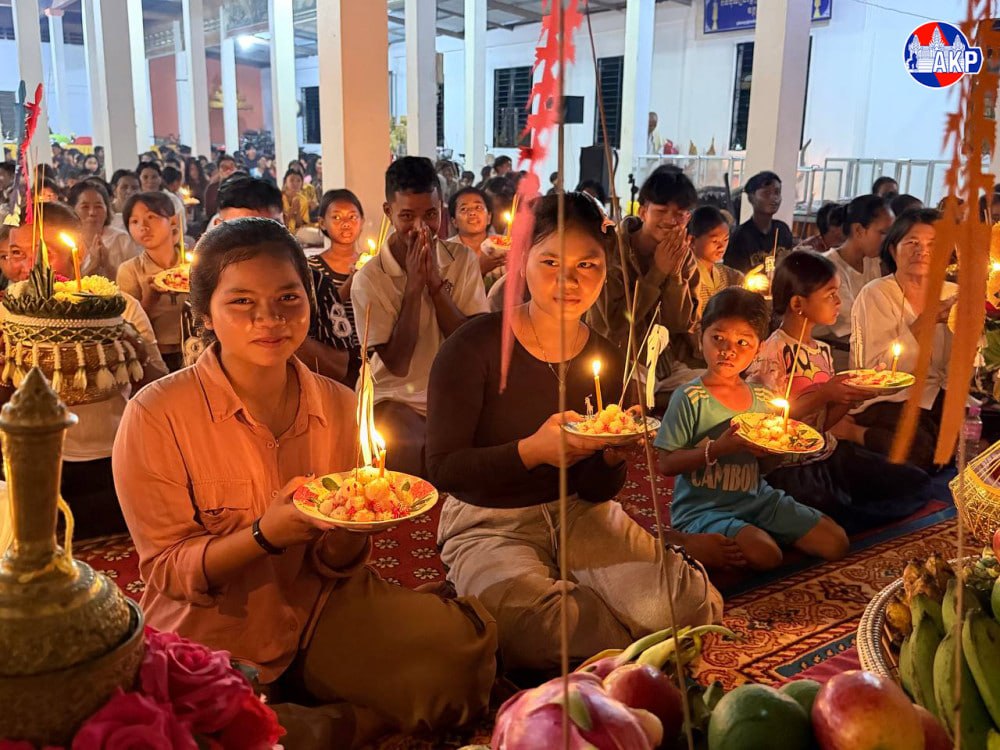
In popular Cambodian Buddhist belief, these offerings are associated with prayers and the dedication of merit to deceased relatives, particularly those who may be suffering in the cycle of rebirth. The practice is also an expression of compassion, reflecting the hope that spiritual merit may benefit departed loved ones.
At many pagodas, the ritual begins before sunrise. Monks chant prayers as worshippers gather with food offerings, candles and incense. The tranquil atmosphere, punctuated by temple bells and the soft murmur of prayers, creates a powerful sense of reverence and continuity with the past.
Although practices vary among communities and families, the central message remains the same: the living should remember their ancestors, perform good deeds and cultivate compassion for all beings.
The rituals also provide an opportunity for younger generations to learn about Cambodia's Buddhist traditions directly from their parents and grandparents, helping to preserve customs that might otherwise fade amid rapid social and economic change.
Throughout the Pchum Ben season, Buddhist pagodas serve as focal points of religious devotion and community life. Families arrive carrying trays of food, baskets of fruit and other offerings, while monks lead ceremonies and deliver Buddhist teachings.
Beyond the religious rituals, pagodas become places of reunion and fellowship. Relatives who may not have seen one another for months or even years gather to exchange greetings, share meals and discuss family matters.
Neighbours reconnect, children learn traditional customs, and older people pass on stories about their ancestors and the communities in which they grew up.
These gatherings demonstrate how Pchum Ben bridges the spiritual and social dimensions of Cambodian life. The festival honours the deceased while strengthening relationships among the living.
For rural communities in particular, the occasion often brings a noticeable increase in activity as people return from Phnom Penh and other urban centres to their home provinces. Roads become busier, local markets see increased demand for food and household goods, and families make preparations to welcome relatives returning for the holiday.
At the heart of Pchum Ben lies the Cambodian tradition of filial piety – the responsibility to respect, care for and show gratitude to one's parents and elders.
For many families, the festival begins with preparations at home. Family members cook traditional dishes, select fruit and other offerings, and travel together to their local pagoda. These shared activities transform religious observance into a meaningful family experience.
The festival also encourages generosity beyond the immediate family. Devotees donate food and other necessities to monks, contribute to pagoda activities and offer assistance to people in need. Such acts embody the Buddhist principle that compassion and selflessness are essential to a meaningful life.
Pchum Ben therefore serves as a reminder that gratitude should be expressed not only through words or ceremonial offerings but also through everyday actions – caring for elderly parents, helping relatives in difficulty, supporting neighbours and contributing to the well-being of the wider community.
In a rapidly changing society, these values remain important in maintaining social cohesion and a sense of shared responsibility.
Food is an integral part of the Pchum Ben experience, bringing together religious devotion, family hospitality and Cambodia's rich culinary heritage.
Families prepare a variety of traditional Khmer dishes to offer at pagodas and share at home. Rice, soups, curries, grilled dishes, seasonal fruits and traditional sweets commonly feature in festive meals, although menus vary according to regional customs and family preferences.
Markets become especially lively as household shop for ingredients, fresh produce and offerings. Kitchens fill with the aromas of simmering soups and freshly prepared dishes, while relatives work together to prepare meals for family gatherings.
The act of cooking and sharing food carries a significance beyond the meal itself. It expresses care for family members, generosity towards others and respect for religious traditions.
For younger Cambodians, participating in these preparations offers a practical way to learn traditional recipes and understand the cultural meanings associated with the festival.
Pchum Ben remains one of Cambodia's most important annual cultural and religious observances, connecting contemporary society with the country's longstanding Buddhist heritage.
In an era shaped by urbanisation, digital communication and increasing international mobility, the festival provides a valuable opportunity for Cambodians to reconnect with their families, communities and cultural roots.
Parents and grandparents play a particularly important role in transmitting the festival's traditions to younger generations. By bringing children to pagodas, explaining the significance of offerings and sharing family histories, they help ensure that the observance remains meaningful beyond its ceremonial aspects.
The festival also reflects the close relationship between Buddhism and Cambodian cultural life. Although religious beliefs and personal practices may differ, Pchum Ben continues to provide a shared occasion for remembrance, generosity and community participation.
Preserving its traditions does not mean remaining unchanged.
Rather, it means ensuring that the values at the heart of the festival – respect, compassion, gratitude and solidarity – continue to guide future generations.
As Pchum Ben draws families to pagodas and home villages across the Kingdom, its significance extends far beyond the 15-day observance.
It is a time to remember those who have passed away, acknowledge the sacrifices of previous generations and express gratitude for the lives and opportunities inherited from them. It is also a time to strengthen family relationships, renew spiritual commitments and extend kindness to others.
In a world where daily responsibilities and modern lifestyles can sometimes distance people from their families and traditions, Pchum Ben offers a moment to pause and reflect on what matters most.
Its enduring message is simple yet profound: honour the past, cherish the present and pass the values of compassion, generosity and filial devotion on to the future.
For Cambodia, Pchum Ben is not merely a festival on the national calendar. It is a living expression of Khmer identity – a sacred tradition that unites faith, family and community while keeping the memory of generations past alive in the hearts of those who follow.
By K. Rithy Reak