KH
KH  FR
FR  AR
AR CN
CNKhmer Language Studies Contribute to Cambodia-China People-to-People Exchanges
AKP Yunnan, September 18, 2026 -- The growing interest in Khmer language studies among Chinese students is contributing to stronger people-to-people exchanges and closer cultural and economic relations between Cambodia and China, according to a lecturer and a graduate in China’s southwestern Yunnan province.
The development of Khmer language studies also contributes to the implementation of the Cambodia-China Diamond Hexagon cooperation framework, which covers six priority areas, including political cooperation, production capacity and quality, agriculture, energy, security, and people-to-people exchanges.
People-to-people and cultural exchanges have been identified as an important pillar of the framework.
Through language learning, education and direct interaction, Chinese students and graduates are gaining a deeper understanding of Cambodian culture, customs and traditions while contributing to communication and cooperation between the two peoples.
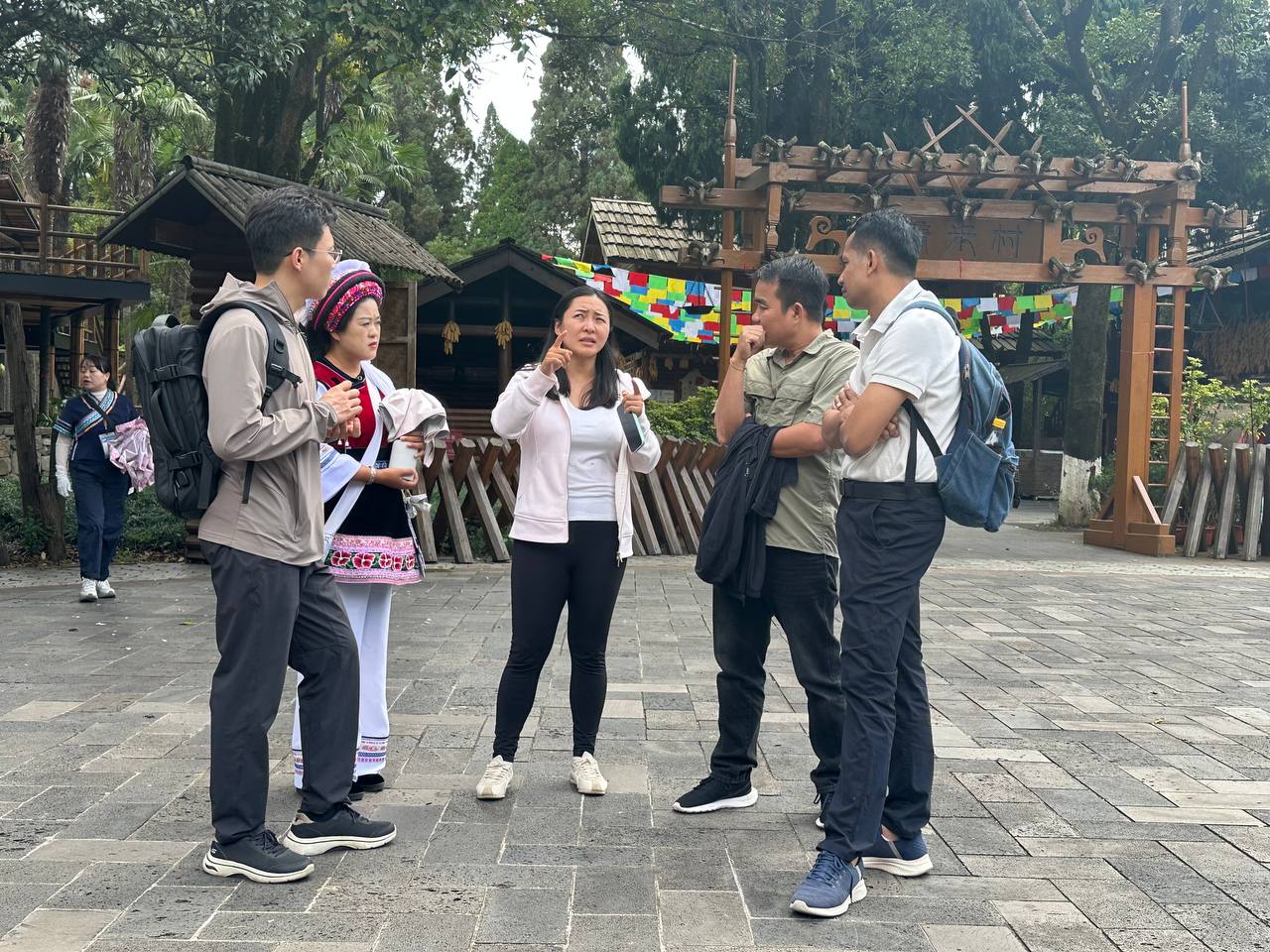
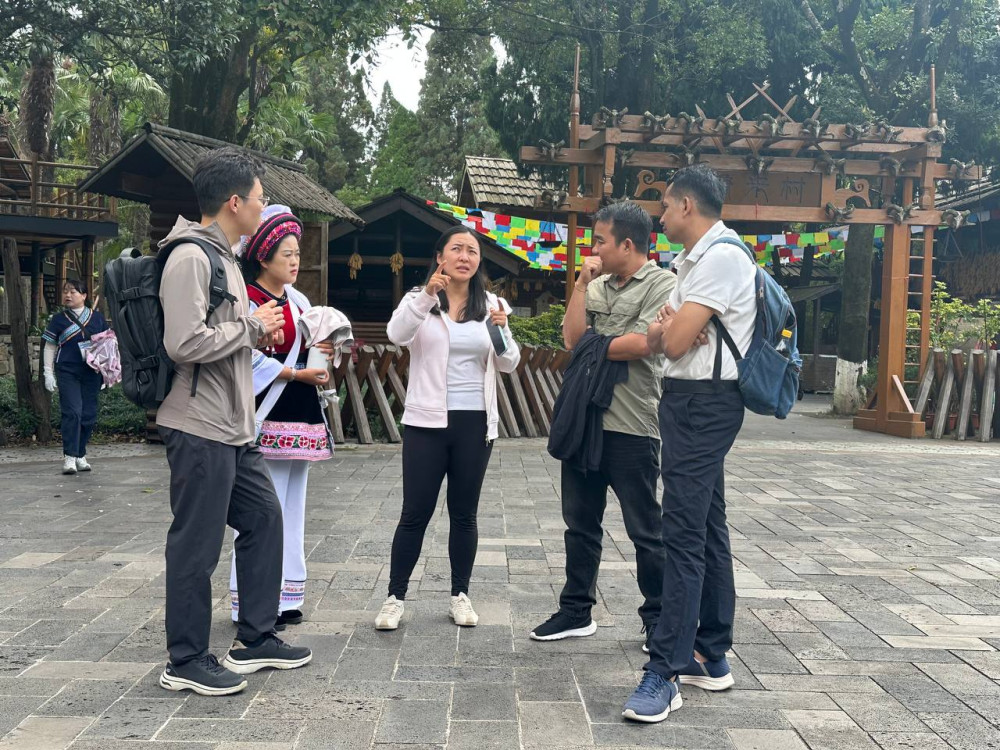
Ms. Zhou Zili, a Khmer language lecturer at Yunnan Normal University, said she decided to study Khmer due to the close geographical and economic links between Yunnan and the ASEAN region, as well as the long-standing friendship between Cambodia and China.
“Yunnan borders Laos, Vietnam and Myanmar and serves as an important link between China and the ASEAN region. Cambodia and China also have historically good relations, which was another reason I chose to learn Khmer,” Ms. Zhou Zili said in an interview last weekend in Kunming, Yunnan province.
Yunnan Normal University began offering Khmer language courses in 2014, initially enrolling about 30 students each year. The number increased to around 60 students annually in 2016 and 2017, she said.
She added that many graduates of the programme have gone on to work in Cambodia, including for Chinese companies, and have expressed satisfaction with their employment opportunities.
For Ms. Zhou Zili, learning Khmer is not only about acquiring a foreign language but also about contributing to mutual understanding between the peoples of Cambodia and China.
“Learning Khmer, knowing Khmer and working with the Khmer language can contribute to continuing and promoting China-Cambodia friendship,” she said.
After graduated from Kunming-based Yunnan Minzu University, she worked with an international friendship association, where she was particularly involved in Cambodia-related activities.
Her experience reflects the role of language and education in strengthening people-to-people ties, which have received greater attention under the Cambodia-China cooperation framework.
Meanwhile, Mr. He Siwei, a graduate of Yunnan Normal University and former Khmer language student, said his language skills have enabled him to contribute to exchanges between the peoples of Cambodia and China.
“We hope Cambodian friends and delegates can take real stories and experiences from China back to Cambodia and share them with the Cambodian people,” he said.
He stressed that language skills can also support economic cooperation by facilitating communication between Chinese investors seeking opportunities in Cambodia and Cambodian businesspeople looking for investment partners in China.
People-to-people exchanges, language learning and direct experiences can help both sides gain a deeper understanding of each other and further promote cooperation between Cambodia and China, he said.
“These have significantly contributed to the strengthening of China-Cambodia cultural and trade cooperation,” Mr. He Siwei emphasised.
China is one of the largest providers of international scholarships for Cambodian students. Expanded scholarships, Chinese language programmes and academic exchanges have bolstered Cambodia-China education ties, with officials from both countries underscoring education as a key pillar of deepening relations.
Both sides continue to exchange scholarships for Chinese students studying in Cambodia, particularly Khmer literature. China has provided annual scholarships to Cambodian students to pursue higher education in China.

By Chea Vannak