KH
KH  FR
FR  AR
AR CN
CNDPM Says Thailand Poses ‘Grave Challenge’ to Cambodia’s Territorial Integrity
AKP Phnom Penh, September 1, 2026 --
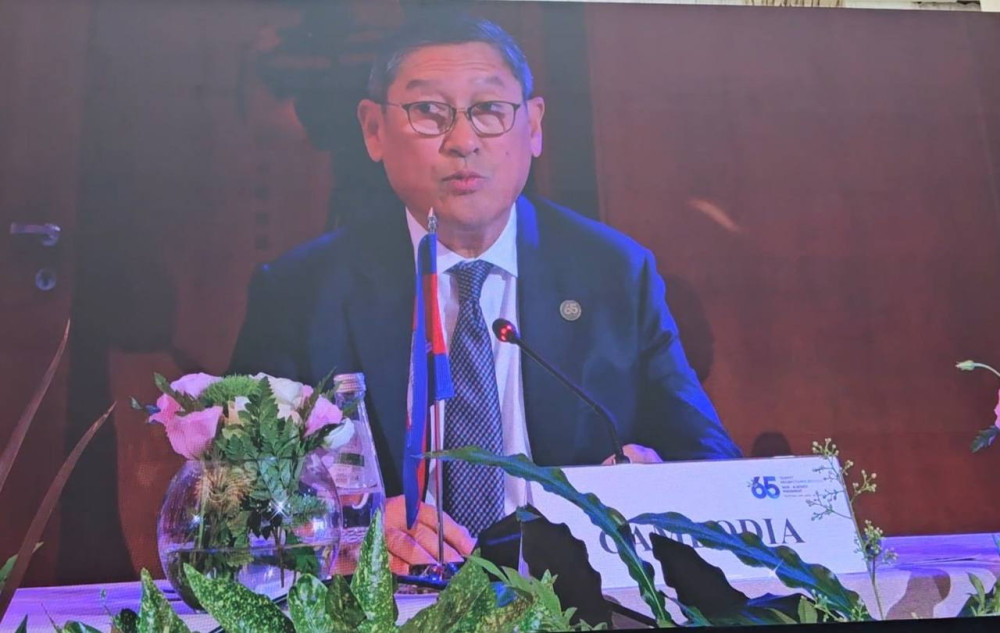
Deputy Prime Minister H.E. Sok Chenda Sophea said Tuesday that the situation along the Thai border remains “fragile” with Thailand’s actions designed to alter the boundary between the two countries by force.
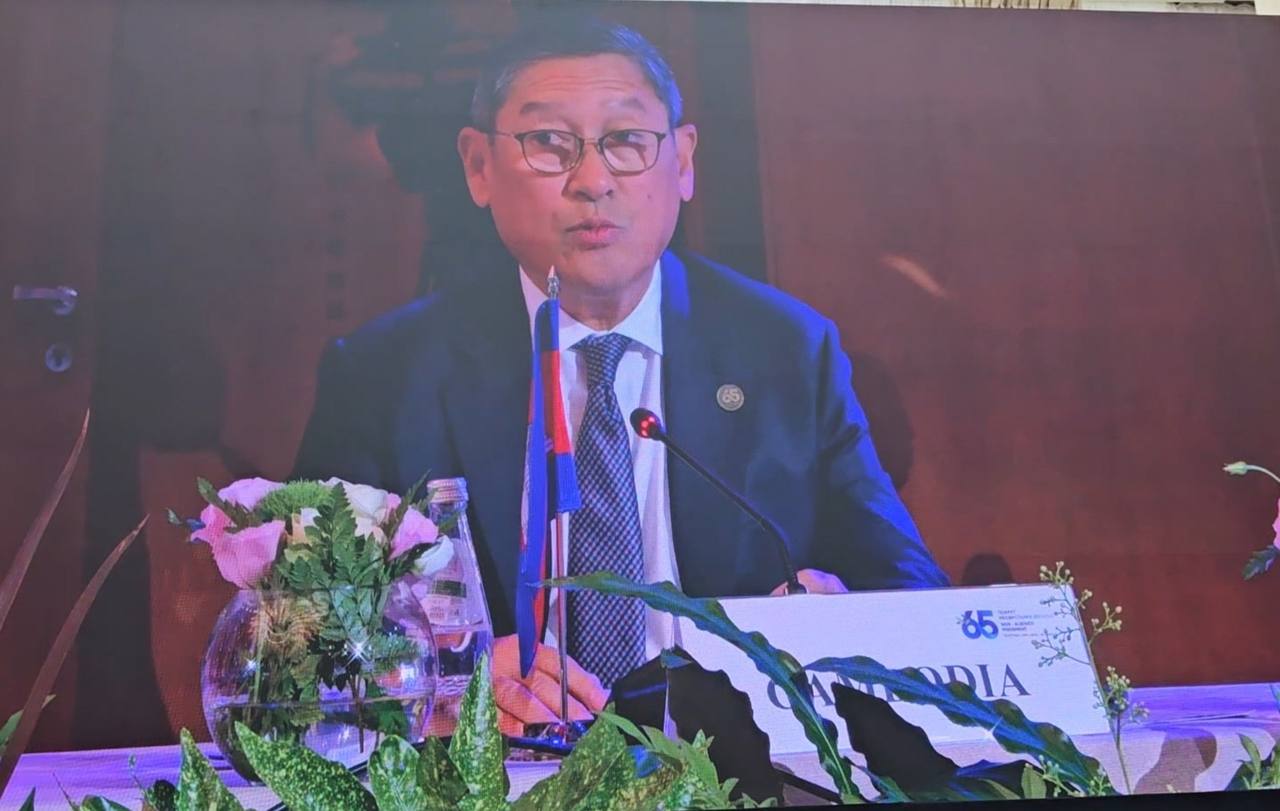
“Cambodia faces a grave challenge to its territorial integrity,” he told a high-level meeting in Belgrade commemorating the 65th anniversary of the first conference of the Non-Aligned Movement (NAM).
UNILATERAL THAI ACTIONS
“Despite existing agreements and the binding judgments of the International Court of Justice (ICJ), Thailand continues unilateral actions deep inside Cambodian territory, including the installation of barbed wire, the construction of permanent infrastructure, and the displacement of Cambodian civilians.
“Such actions amount to faits accomplis designed to alter borders by force, in clear violation of international law and NAM’s founding principles.”
While the December ceasefire has halted armed clashes, “the situation remains fragile, particularly given the forced eviction of Cambodian civilians who have lived in the affected areas for generations,” the deputy prime minister said.
“Cambodia has consistently exercised the utmost restraint and remains firmly committed to dialogue and the peaceful settlement of all outstanding issues, in strict accordance with bilateral agreements and international law, including the Charter of the United Nations and the Charter of ASEAN.”
CAMBODIA COMMITTED TO PEACEFUL RESOLUTION
“Consistent with the NAM’s legacy, Cambodia remains unwavering in its commitment to peaceful resolution.
“We call upon Thailand to cease all activities in Cambodian territory, to fully implement existing agreements, and to resume bilateral mechanisms in good faith. We urge respect for international law, for the judgments of the ICJ, and for the dignity and rights of displaced civilians who must be allowed to return safely to their homes.”
H.E. Sok Chenda Sophea stressed that Cambodia “categorically rejects” aggression against its sovereignty.
“We cannot and will not accept unilateral measures that undermine peace, destabilise communities, and erode trust between our two nations.
“At the same time, our commitment to peaceful settlement extends to our maritime differences,” he said, noting that Cambodia had embraced with Thailand the compulsory conciliation process under United Nations Conference on the Law of the Sea (UNCLOS).
“This rules-based mechanism offers a peaceful path to resolve our maritime boundary differences. We welcome global support for de-escalation, mutual respect, and enduring regional stability.
“Cambodia’s position is clear,” the deputy prime minister said. “Borders must never be altered by force or through faits accomplis. Disputes must be resolved through dialogue, negotiation, and legal mechanisms.”
The first conference of NAM leaders in Belgrade in 1961 had its roots in the Bandung Conference of Asian and African leaders hosted by Indonesia in 1955. Cambodia’s then head of state, Prince Norodom Sihanouk, took part in both conferences.
By Sao Da