KH
KH  FR
FR  AR
AR CN
CNCambodia Hosts ISC-2, Adopts Phnom Penh Declaration for Peace and Shared Prosperity
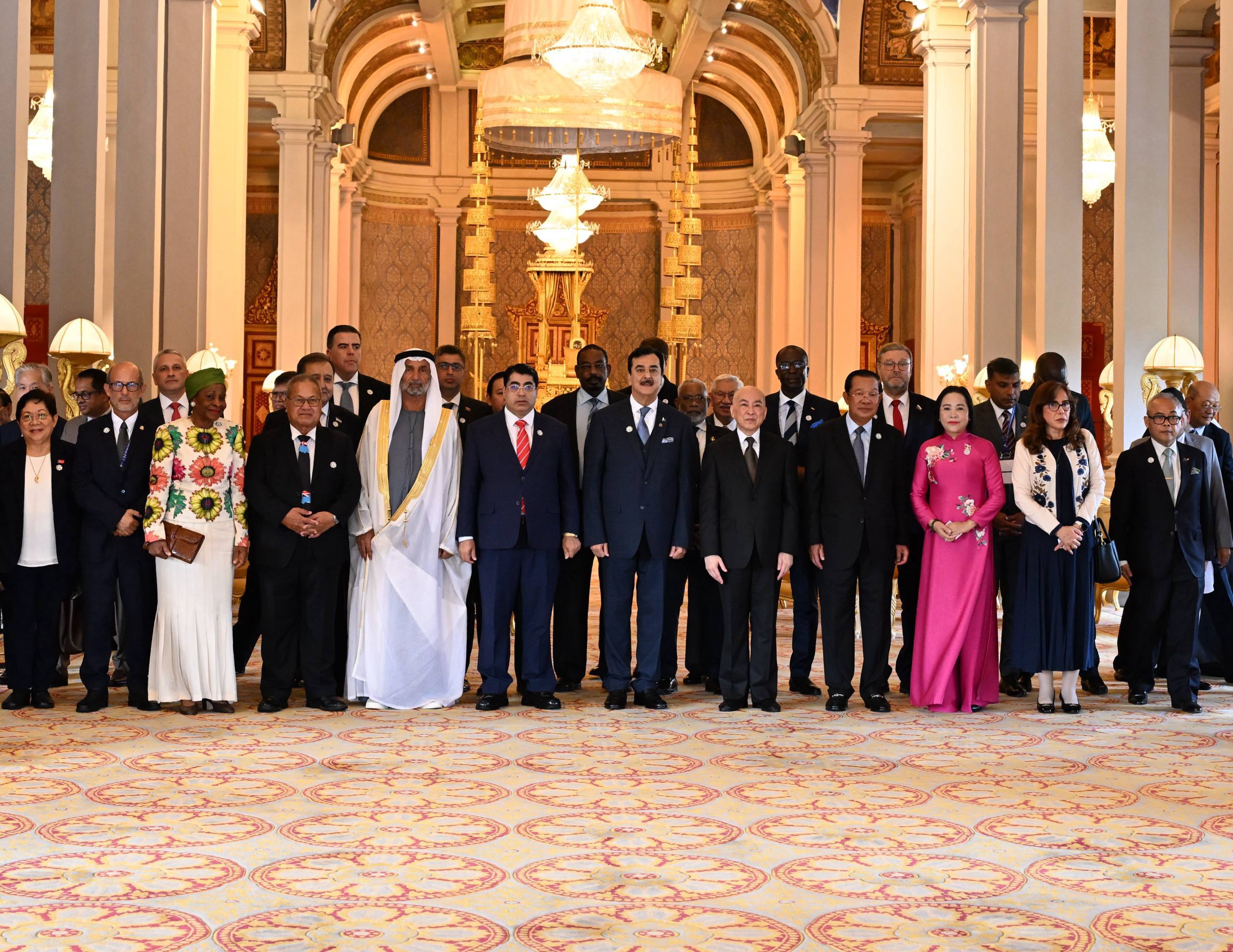
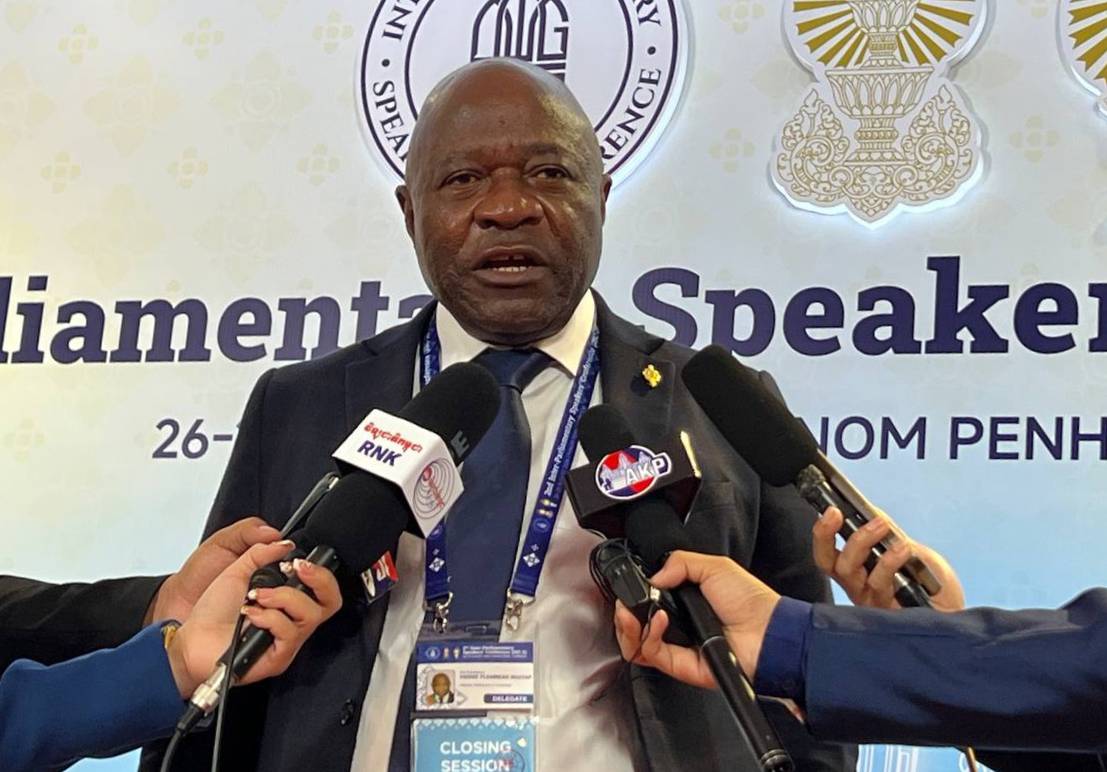
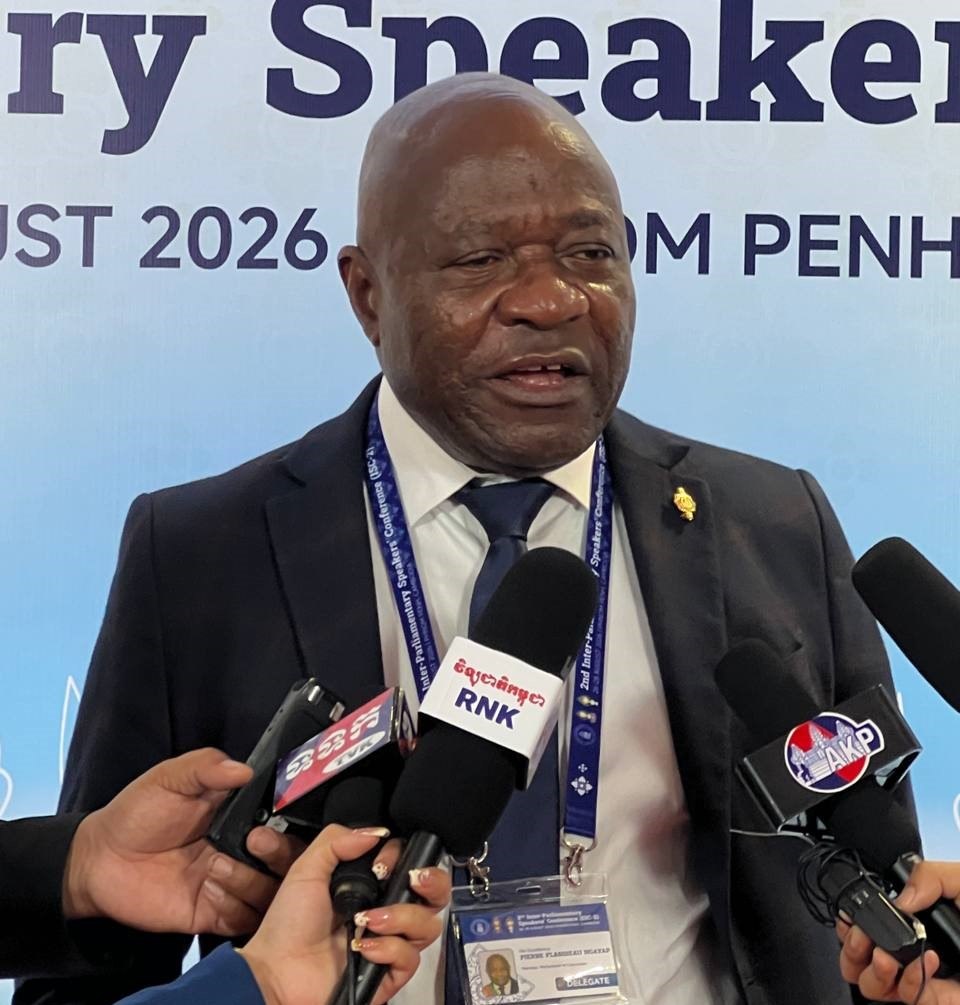
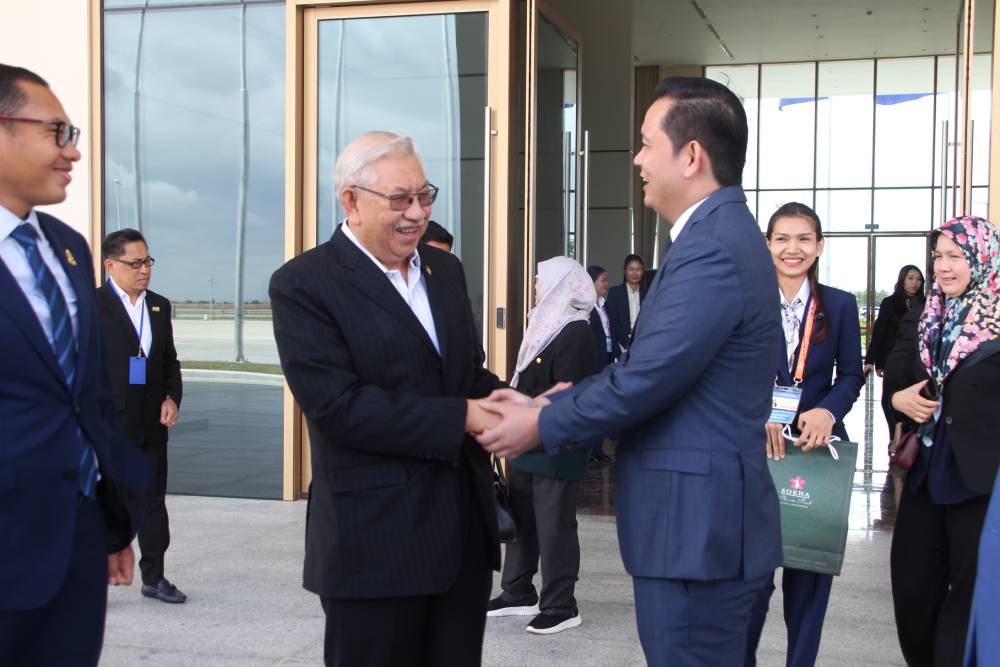
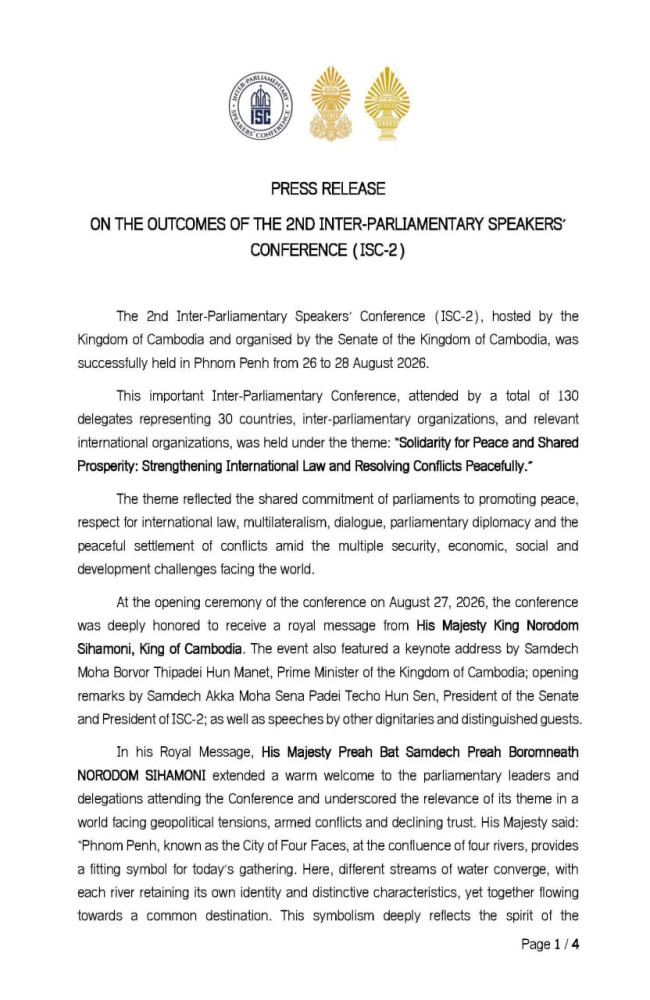
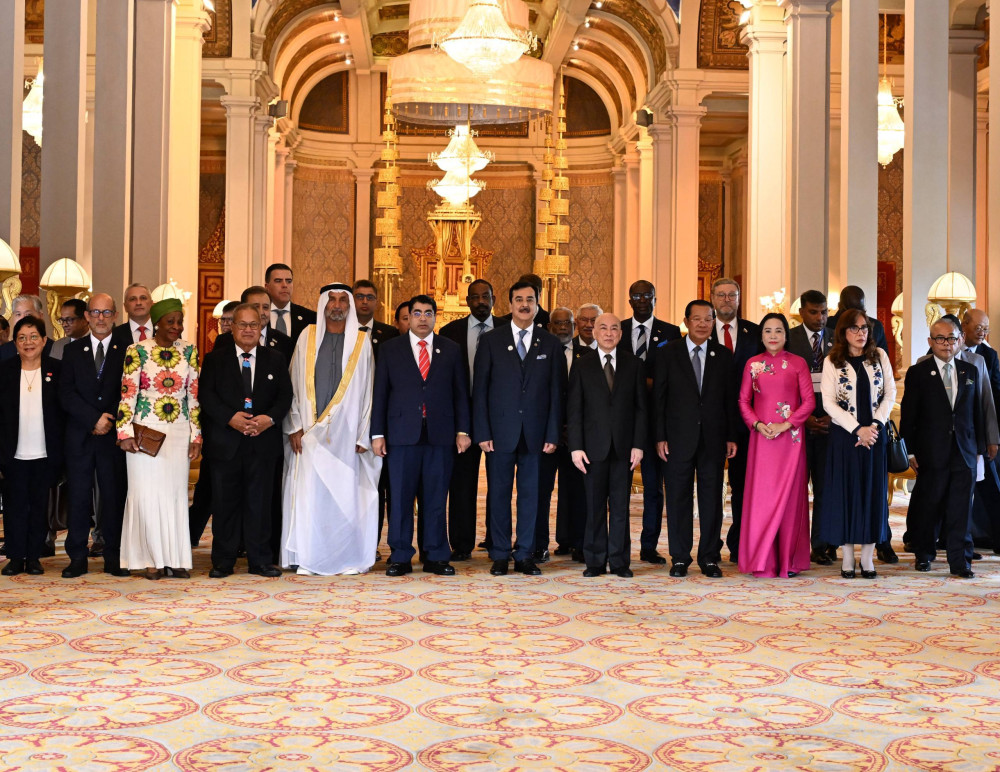
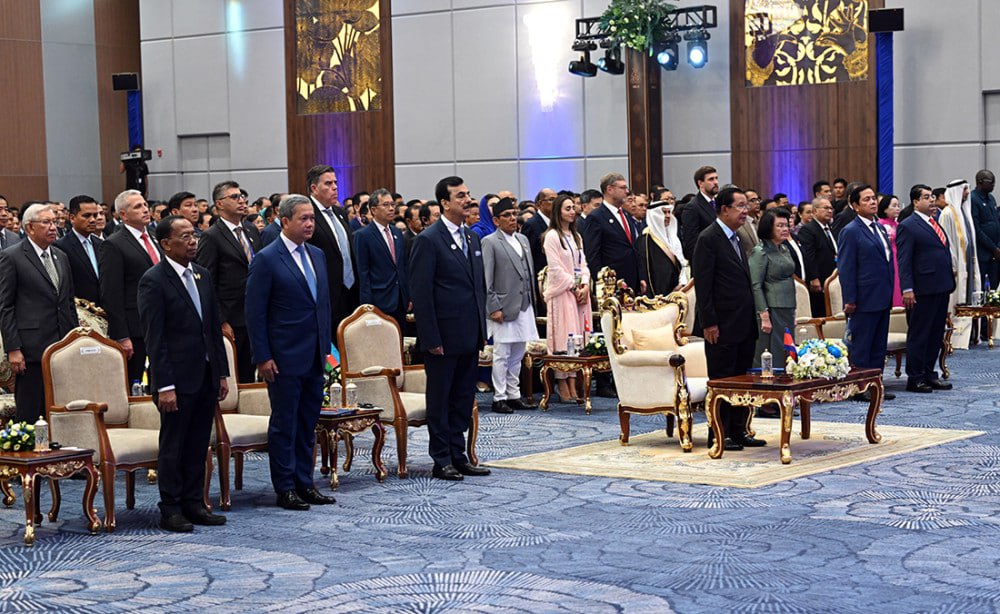
AKP Phnom Penh, August 29, 2026 -- The Second Inter-Parliamentary Speakers’ Conference (ISC-2), hosted by Cambodia and organised by the Senate of Cambodia, successfully concluded in Phnom Penh on Aug. 28, bringing together 130 delegates from 30 countries, inter-parliamentary organisations and international organisations.
Held from Aug. 26 to 28 under the theme “Solidarity for Peace and Shared Prosperity: Strengthening International Law and Resolving Conflicts Peacefully,” the conference highlighted the shared commitment of participating parliaments to peace, international law, multilateralism, dialogue and the peaceful settlement of disputes.
The conference was honoured by a Royal Message from His Majesty King Norodom Sihamoni, who welcomed the participating parliamentary leaders and stressed the importance of trust, justice, the rule of law and respect for international law in achieving lasting peace and prosperity.
His Majesty also underscored the important role of parliaments and parliamentary diplomacy in promoting dialogue, accountability, cooperation and peaceful conflict resolution, drawing on Cambodia’s own experience of overcoming war and rebuilding the nation.
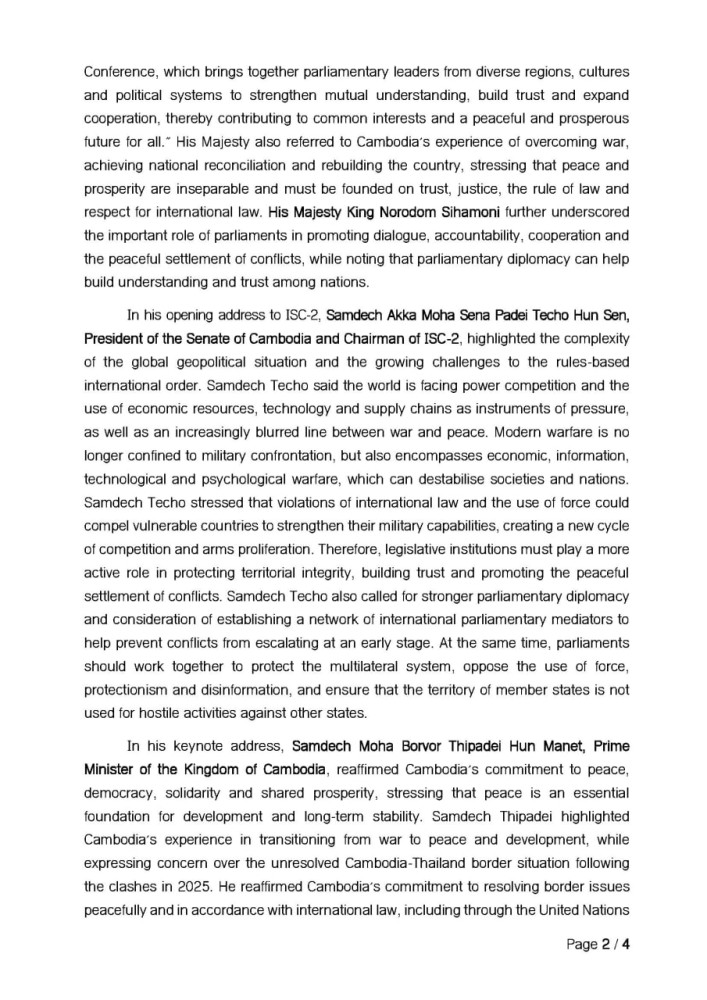
In his opening remarks, Samdech Akka Moha Sena Padei Techo Hun Sen, President of the Senate and President of ISC-2, highlighted growing geopolitical tensions and challenges to the rules-based international order.
He called for stronger parliamentary diplomacy, including consideration of an international network of parliamentary mediators to help prevent conflicts from escalating. He also urged parliaments to protect multilateralism, oppose the use of force, protectionism and disinformation, and prevent their territories from being used for hostile activities against other countries.
Prime Minister Samdech Moha Borvor Thipadei Hun Manet, in his keynote address, reaffirmed Cambodia’s commitment to peace, democracy, solidarity and shared prosperity.
He highlighted Cambodia’s transformation from a war-torn country to a peaceful and developing nation and stressed that peace is the foundation for sustainable development and long-term stability. He also reaffirmed Cambodia’s commitment to resolving the Cambodia-Thailand border issue peacefully and in accordance with international law and existing mechanisms.
The Prime Minister further stressed the importance of strengthening national resilience through macroeconomic stability, investment in human capital, institutional development and expanded social protection. He noted that Cambodia’s Pentagonal Strategy – Phase 1 seeks to promote inclusive growth, create jobs and improve access to basic services, supporting the country’s ambition to become a high-income nation by 2050.
During the conference, participants exchanged views and experiences on peacebuilding, respect for the UN Charter and international law, peaceful conflict resolution, multilateralism, parliamentary diplomacy, sustainable development and shared prosperity.
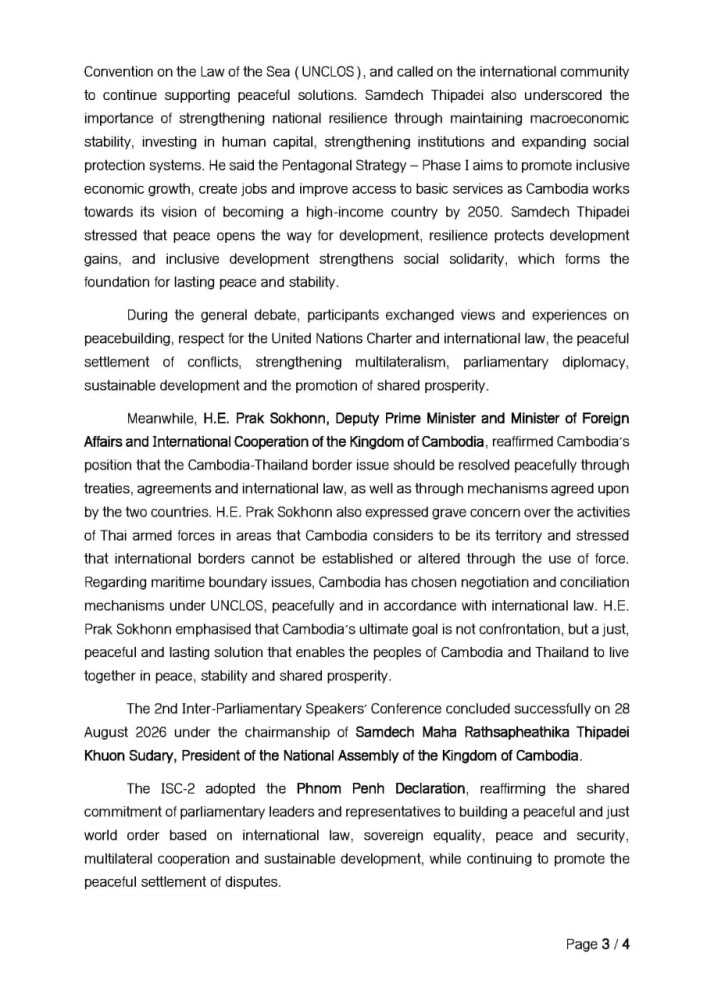
Deputy Prime Minister and Minister of Foreign Affairs and International Cooperation H.E. Prak Sokhonn reaffirmed Cambodia’s position that the Cambodia-Thailand border issue should be addressed peacefully through treaties, agreements, international law and mechanisms agreed upon by both countries.
He stressed that international borders cannot be established or altered through force and said Cambodia has chosen peaceful negotiation and conciliation mechanisms under the UN Convention on the Law of the Sea (UNCLOS) to address maritime boundary issues.
The Second Inter-Parliamentary Speakers’ Conference concluded under the chairmanship of Samdech Maha Rathsapheathika Thipadei Khuon Sudary, President of the National Assembly of Cambodia.
The conference adopted the Phnom Penh Declaration, reaffirming the commitment of participating parliamentary leaders and representatives to a peaceful and just international order based on international law, sovereign equality, peace and security, multilateral cooperation and sustainable development.
The Declaration also outlined key areas for enhanced parliamentary cooperation, including food, energy and health security, sustainable water management, climate resilience, secure supply chains, responsible digital transformation, and expanded educational and cultural exchanges.

By C. Nika