KH
KH  FR
FR  AR
AR CN
CNCambodia Urged to Strengthen Energy Resilience as Global Disruptions Persist
AKP Phnom Penh, August 24, 2026 --
Cambodia’s reliance on imported fuel and fertiliser leaves its economy exposed to global energy disruptions, highlighting the need to protect vulnerable households while strengthening long-term resilience, according to a new report published by the Cambodia Development Resource Institute (CDRI).
The report, The Economic Impact of International Energy Market Disruptions on Cambodia, released on Aug. 24, was authored by James Giesecke and Robert Waschik of the Centre of Policy Studies at Victoria University, Milan Thomas of the Asian Development Bank (ADB), and Chhorn Dina of CDRI.
ADB Country Director for Cambodia Ms. Yasmin Siddiqi said the report provides timely analysis to support the Government’s response to the global fuel shock and ADB’s assistance through its recently approved Rapid Intervention for Stabilisation of the Economy (RISE) programme.
“Cambodia’s exposure to energy market disruption is not only a short-term threat to Cambodia’s recent gains in poverty reduction, but a structural development challenge,” she said.
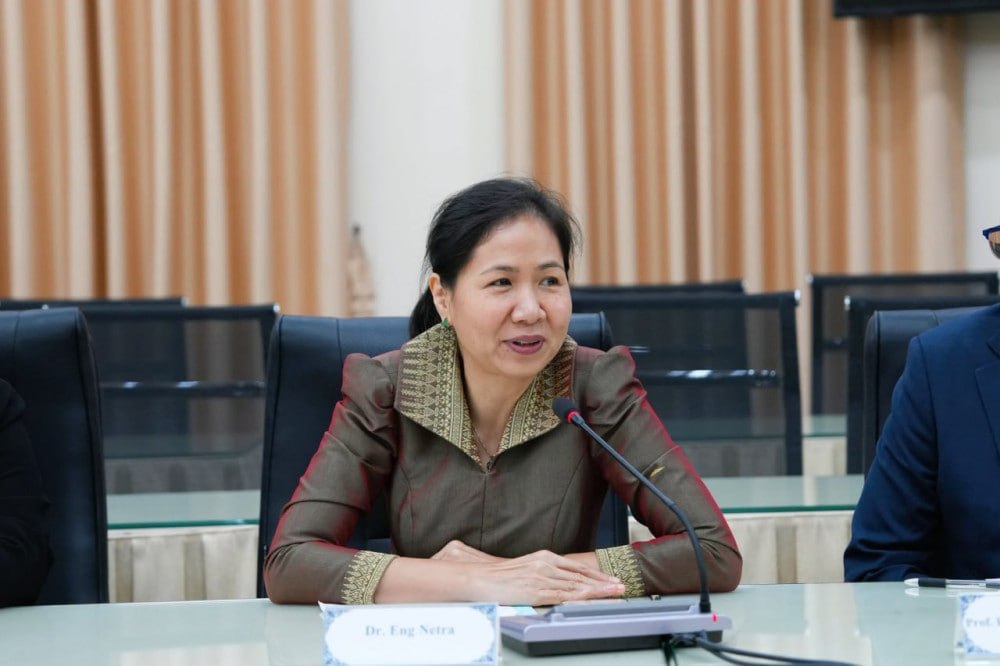
CDRI Executive Director Dr. Eng Netra said the report reflects CDRI’s mission of producing rigorous, independent evidence to help policymakers navigate external economic shocks.
The study examines rising global fuel prices and limited fertiliser availability resulting from disruptions in Middle East supply chains. It uses data-based modelling to assess the impact on Cambodia and recommends accelerating energy diversification, building green skills and establishing strategic fuel and fertiliser reserves.
It also calls for targeted, time-bound support for vulnerable households while preserving fiscal space for priority public spending.
“The modeling shows that if fuel prices rise further, to 50 percent higher than before the shock, economic production would fall by 1 percent,” said Mr. Milan Thomas, ADB Country Economist.
He said the impact could be greater on rural households as higher input costs strain agricultural production.
The RISE programme, approved on July 30, will provide a US$250 million concessional loan to support the Government’s Comprehensive Intervention Programme, including temporary tax relief and targeted assistance through the IDPoor system.
The programme will also support income assistance for poor households, energy transition assistance for tuk-tuk drivers, and agricultural training and assets for rural households.
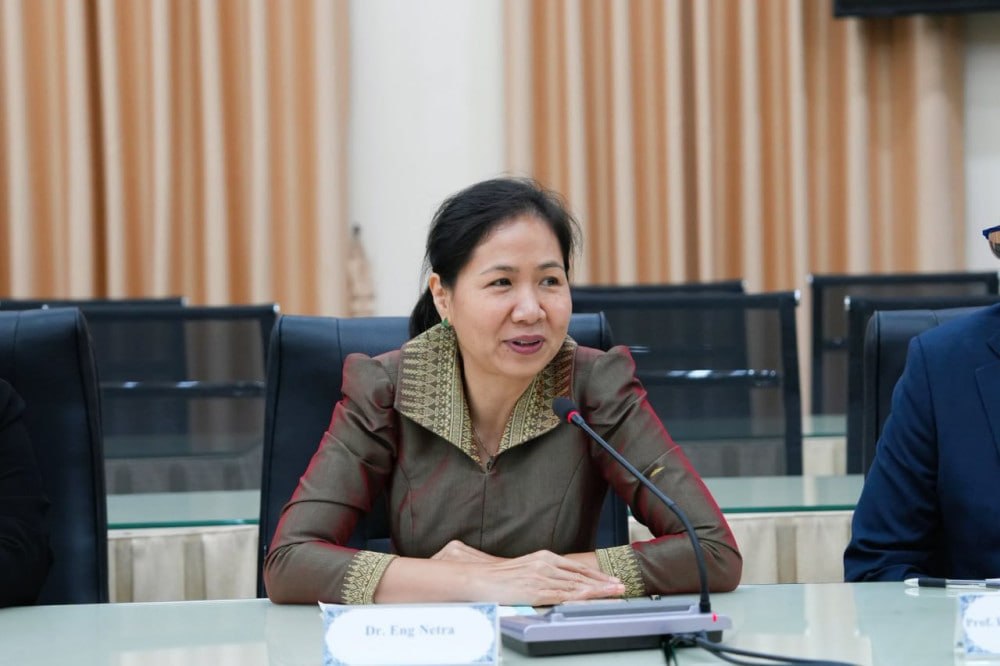 CDRI Executive Director Dr. Eng Netra
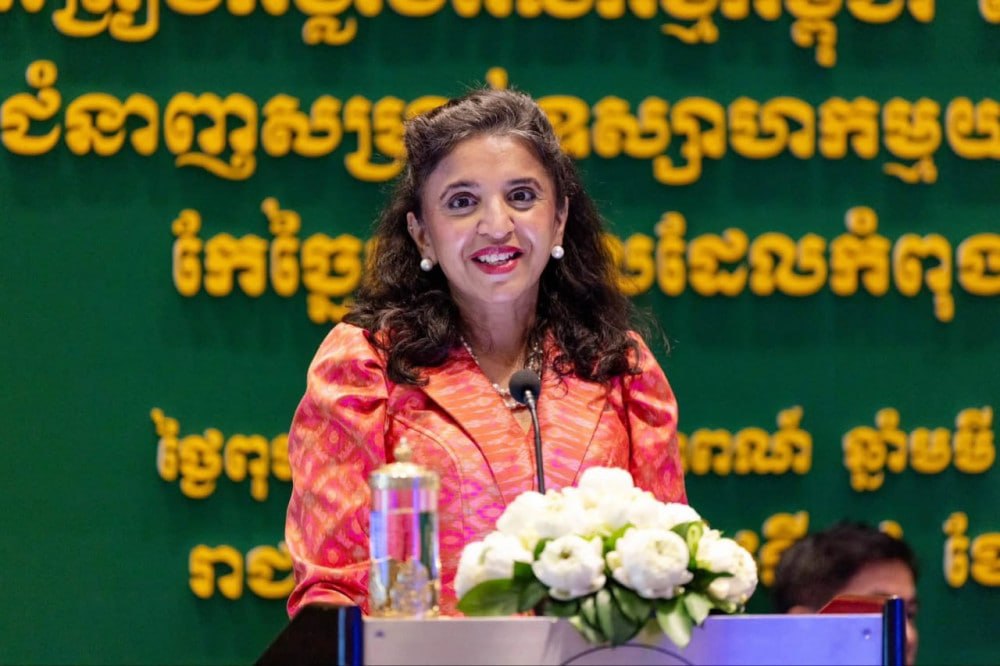 ADB Country Director for Cambodia Ms. Yasmin Siddiqi
By Sum Kosal