KH
KH  FR
FR  AR
AR CN
CNIMF Projects Cambodia’s Economic Growth at 3 Percent in 2026
AKP Phnom Penh, July 08, 2026 --
The International Monetary Fund (IMF) on Wednesday projected Cambodia’s economic growth to slow to 3.0 percent in 2026, amid higher energy prices, trade policy uncertainty, weak tourism, and subdued domestic demand.
In a press release, the IMF said Cambodia’s economy has shown resilience amid successive shocks but growth has weakened. Real GDP growth, supported by external demand, foreign direct investment and infrastructure spending, eased to 5.3 percent in 2025 from 6.0 percent in 2024.
“Growth is projected to slow further to 3 percent in 2026 before recovering in 2027, as higher energy prices, softer external demand, and reputational damage associated with scam activities weigh on economic activity and weaken tourism and pose risks to financial stability,” the press release stated.
The Kingdom’s economy is mainly driven by garment, footwear and travel-goods exports, tourism, agriculture, and real estate and construction.
Facing regional trade tensions and global uncertainty, Cambodia needs structural reforms to strengthen its growth model and resilience, particularly as the country prepares for graduation from Least Developed Country status, said Mr. Kenichiro Kashiwase, IMF Mission Chief for Cambodia, Asia and Pacific Department.
“Structural reforms should strengthen Cambodia’s growth by improving the business climate, governance and rule of law, labour absorption, export diversification, energy security and efficiency, climate resilience, and data quality,” he told a press conference in Phnom Penh on July 8.
The IMF team completed the 2026 Article IV consultation in Cambodia from June 24 to July 8, holding discussions with senior officials of the Royal Government of Cambodia, the National Bank of Cambodia, other public agencies, and representatives of the private sector and development partners.
The IMF advised that fiscal policy should cushion near-term shocks through temporary, targeted support while preserving medium-term fiscal discipline. Broad fuel-related support should be unwound as price pressures ease, and revenue mobilisation will be critical to sustain priority spending and realise Cambodia’s development goals.
It also recommended financial-sector policies focus on safeguarding stability as asset-quality pressures become more visible following the end of regulatory forbearance. It warned that real estate weakness remains a key risk given banks’ exposure to the sector.
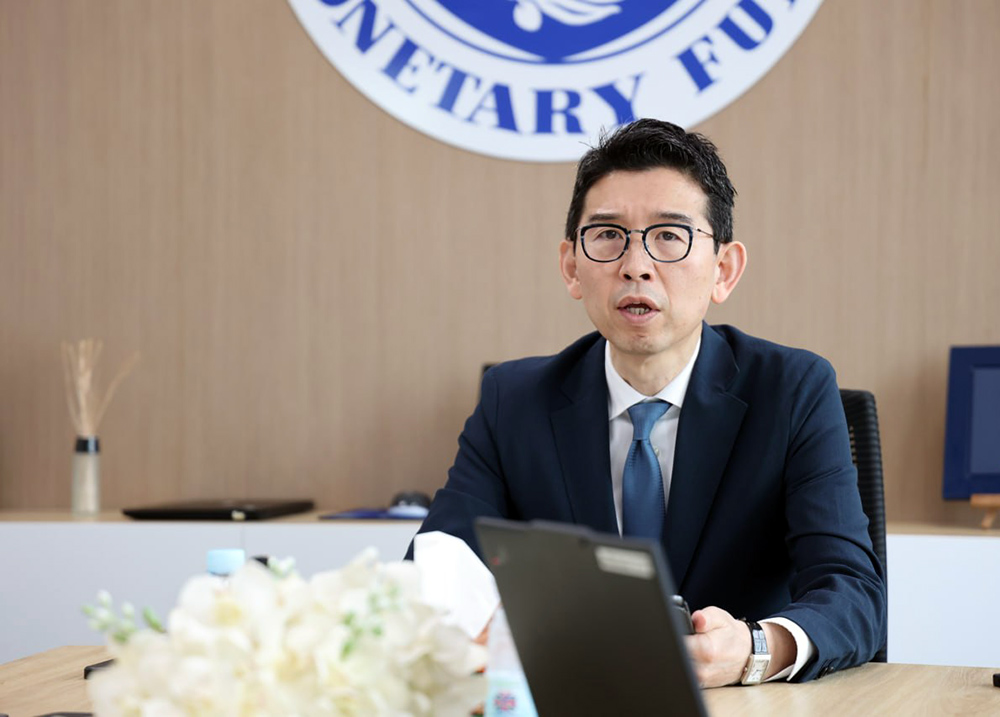
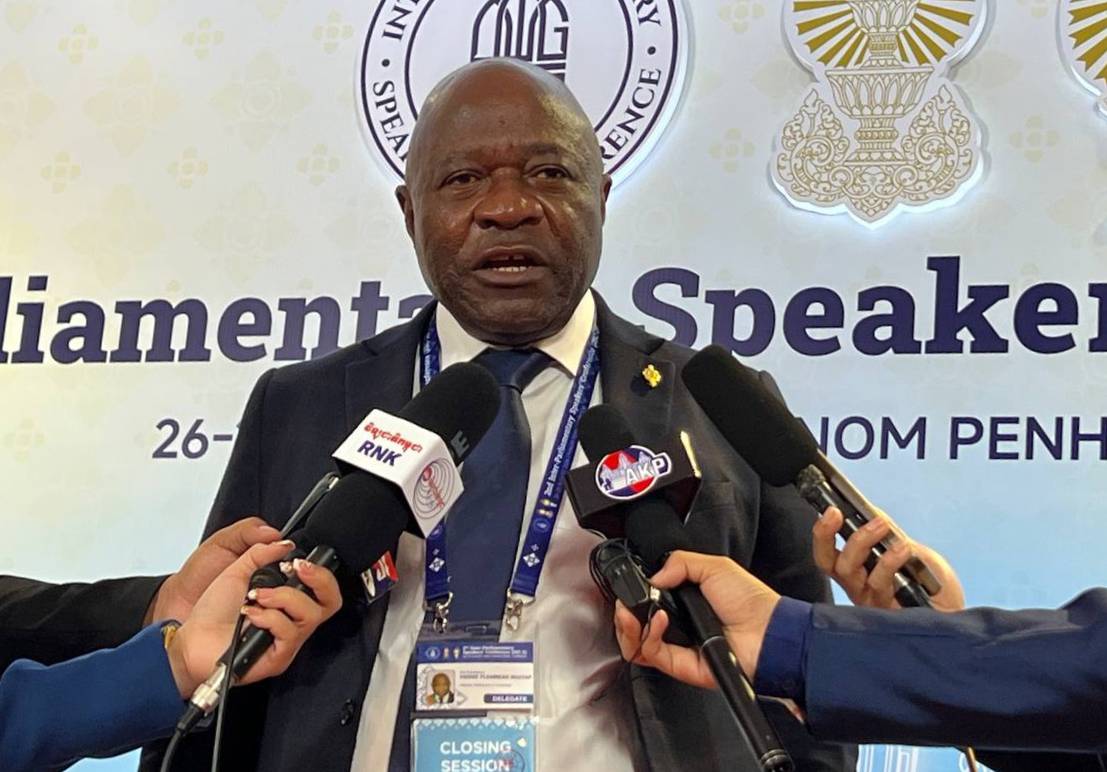
Mr. Kenichiro Kashiwase, IMF Mission Chief for Cambodia, Asia and Pacific Department
By Chea Vannak