KH
KH  FR
FR  AR
AR CN
CNCambodia, South Korea, EU, and UN Unite to Counter Cross-Border Cybercrime
AKP Phnom Penh, May 20, 2026 --
Cambodia has launched a major joint international training programme with South Korea, the European Union, and the United Nations to strengthen law enforcement against digital fraud and transnational crime.
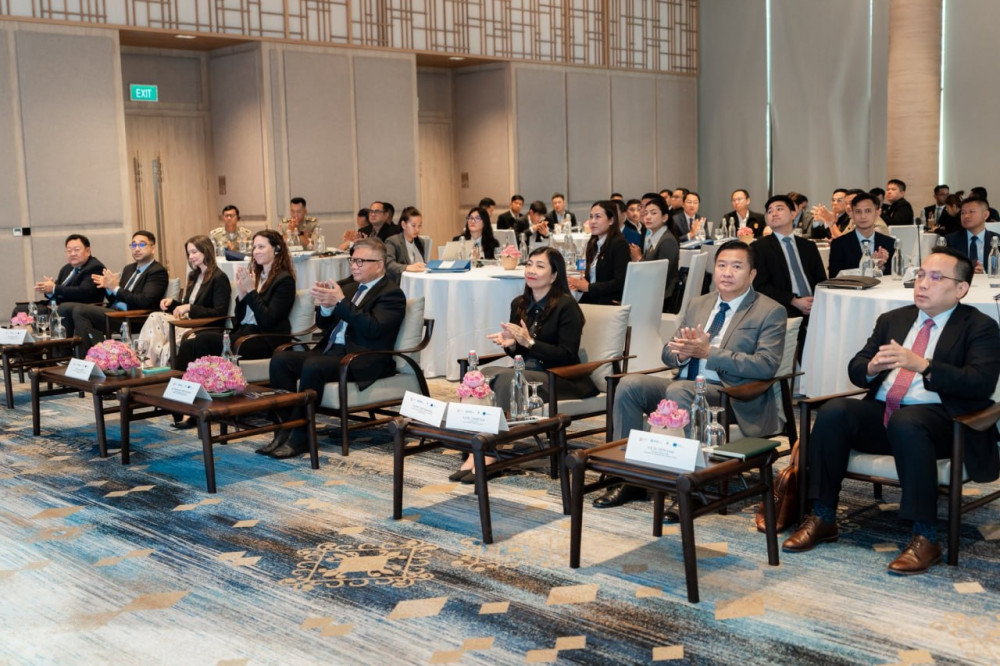
The three-day (May 19-21) workshop, titled “International Cooperation in Cybercrime and Trafficking in Person Cases,” opened in the coastal province of Preah Sihanouk. The initiative is designed to equip Cambodian judicial and police officials with advanced digital forensics tools and cross-border investigative techniques to counter rapidly evolving cyber threats.
Organised by Cambodia’s ad-hoc Commission for Combating Online Scams (CCOS) in partnership with South Korea’s Ministry of Justice, the EU, and the UN Office on Drugs and Crime (UNODC), the programme underscores a unified response to a growing regional crisis.
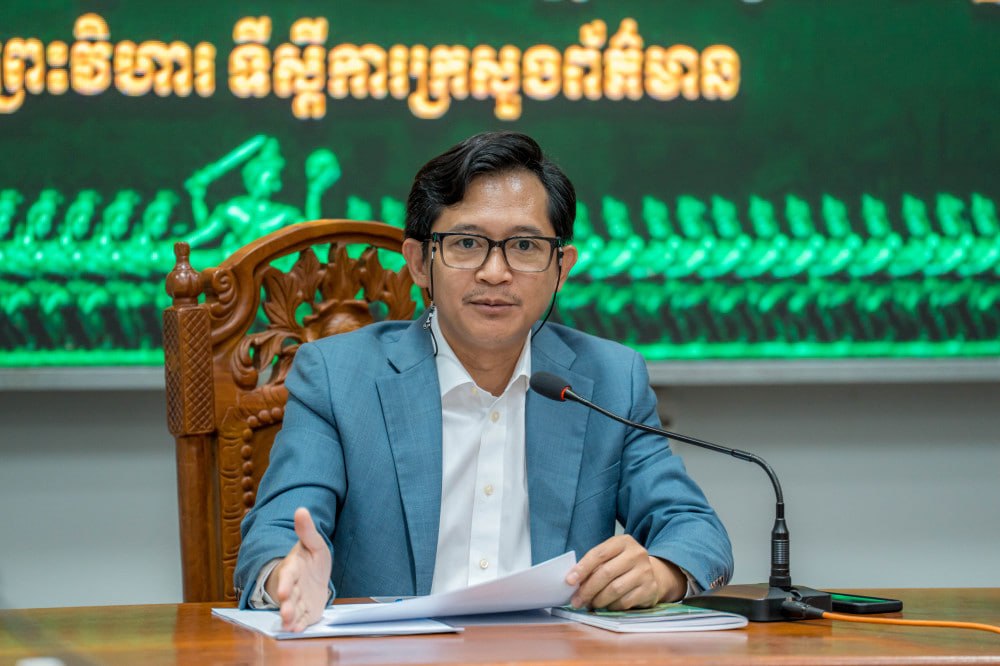
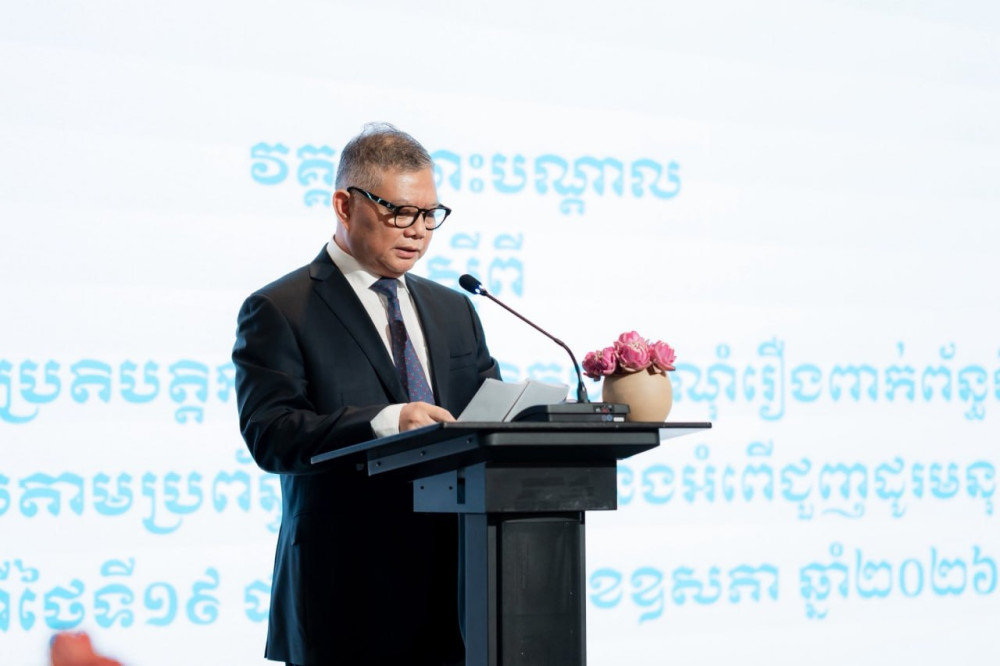
Speaking at the opening ceremony, H.E. Santepundit Chhay Sinarith, Senior Minister and Standing Vice Chairman of the CCOS, stressed that no nation can fight the threat alone.
“Almost every nation recognises that this is a transnational issue that no single country can resolve alone,” H.E. Chhay Sinarith said. “As an open, developing nation, Cambodia has been targeted by foreign criminal networks seeking to establish operational bases. However, the Royal Government of Cambodia will not allow the country to become a safe haven for international criminals.”
The training focuses on: Mutual legal assistance in criminal matters; Digital forensics and evidence handling; Cross-border cyber investigations; Identification and protection of human trafficking victims.
Attendees include representatives from Cambodia’s Ministry of Justice, the National Police’s anti-cybercrime and anti-human trafficking departments, and local court officials.
Cambodia has declared combating online scams and human trafficking a top national priority. H.E. Chhay Sinarith thanked the Republic of Korea, the European Union, and the UNODC for their financial and technical support, calling the joint effort a reflection of “shared responsibility” in safeguarding global security.
By K. Rithy Reak