KH
KH  FR
FR  AR
AR CN
CNAmid Border Tensions and Calls for Unity, Cambodia Celebrates Khmer New Year as an Act of Resilience
AKP Phnom Penh, April 17, 2026 -- Cambodia successfully concluded its three-day (April 14-16) traditional Khmer New Year celebrations, with the Royal Government framing the nationwide festivities as both a cultural triumph and a quiet rebuke to those who would let border tensions halt national life.
Despite ongoing diplomatic friction with Thailand, officials reported that celebrations successfully proceeded according to Buddhist traditions and ancestral customs.
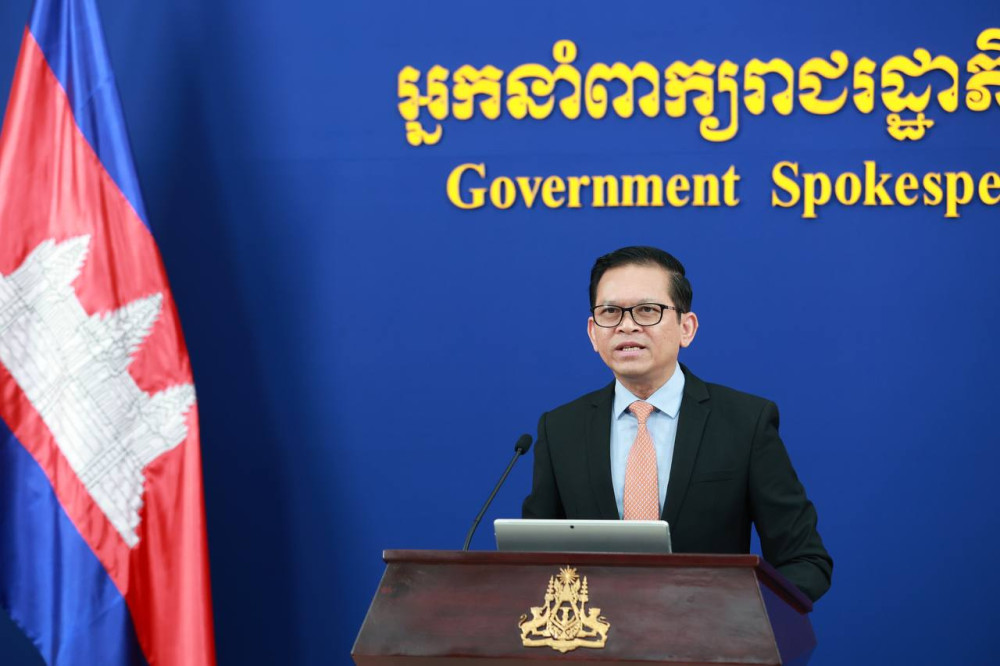
Speaking at the Office of the Council of Ministers press briefing on Friday, Government Spokesperson H.E. Pen Bona emphasised that the preservation of national culture had been meticulously restored and protected. The successful New Year observance, he suggested, demonstrated that resilience.
In a New Year message to the nation, Prime Minister Samdech Moha Borvor Thipadei Hun Manet acknowledged that the past year brought "unprecedented and difficult trials" affecting national security and the socio-economic landscape. But rather than retreat, he called on citizens to transform hardships into "powerful energy" and obstacles into "opportunities for success."
"Our best choice is to continue strengthening ourselves and increasing our self-reliance," Samdech Thipadei Hun Manet said.
He reaffirmed the Royal Government’s commitment to defending the Constitution and the monarchy under the national motto "Nation, Religion, King," vowing that no individual or foreign entity would be permitted to undermine the nation's achievements. The Prime Minister also expressed profound gratitude to armed forces stationed along the borders, praising their "invaluable sacrifice" in protecting Cambodia’s sovereignty and territorial integrity.
Acting Head of State Samdech Akka Moha Sena Padei Techo Hun Sen directly addressed criticism from overseas opposition groups regarding the Royal Government’s handling of border issues with Thailand.
"An injury to a pinky finger should not cripple the entire body," Samdech Hun Sen said, using a metaphor to argue that localised border difficulties should not halt national life.
He questioned whether critics expected the Royal Government to "shut down markets, banks, factories, and schools" and deprive 17 million citizens of their cultural celebrations due to border tensions. He characterised the widespread public participation in the New Year as a collective rejection of those seeking socio-economic stagnation.
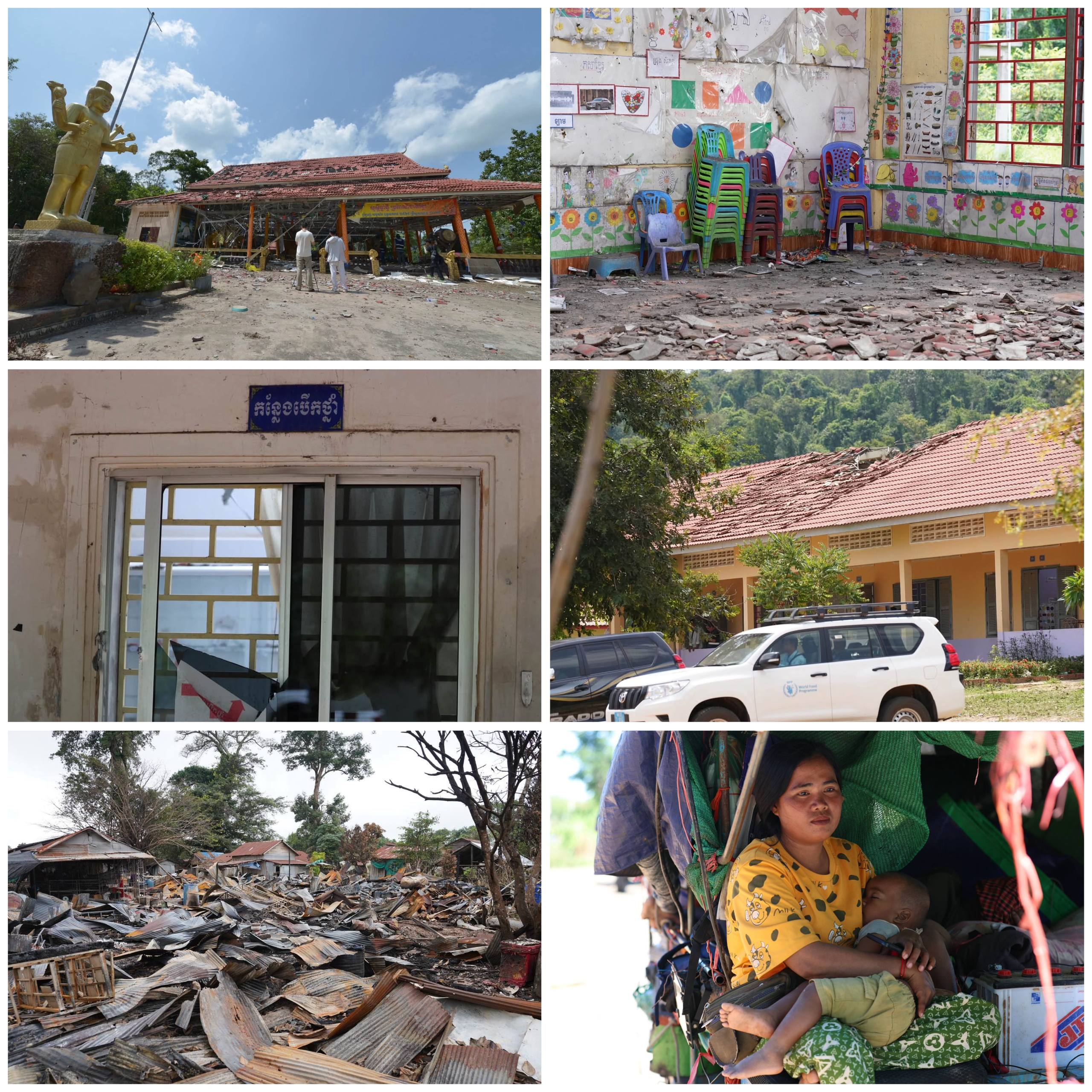
Concurrently, the Ministry of Culture and Fine Arts issued a formal protest regarding what it termed the "illegal occupation" by Thai armed forces of several Cambodian heritage sites, including the Tamone Thom, Ta Krabey, and Khnar temples.
The Ministry expressed "grave concern" over Thai infrastructure projects and the erection of statues in these sovereign Cambodian areas, describing them as attempts to create faits accomplis on the ground. While calling for an immediate correction of these actions to maintain regional peace, the Ministry reiterated Cambodia's commitment to resolving disputes through bilateral mechanisms, such as the Joint Boundary Commission (JBC), and international law.
The Royal Government concluded its update by stressing a dual-track policy: maintaining territorial integrity and supporting displaced persons at the frontlines, while simultaneously ensuring the continued socio-economic and cultural vitality of the nation.
In effect, the message was clear – Cambodia would neither abandon its borders nor suspend its soul. The New Year, celebrated by millions, was presented not as a distraction from national challenges, but as a demonstration of the very unity needed to overcome them.
By K. Rithy Reak