KH
KH  FR
FR  AR
AR CN
CNNew Species and Rare Wildlife Discovered in Cambodia’s Karst Caves
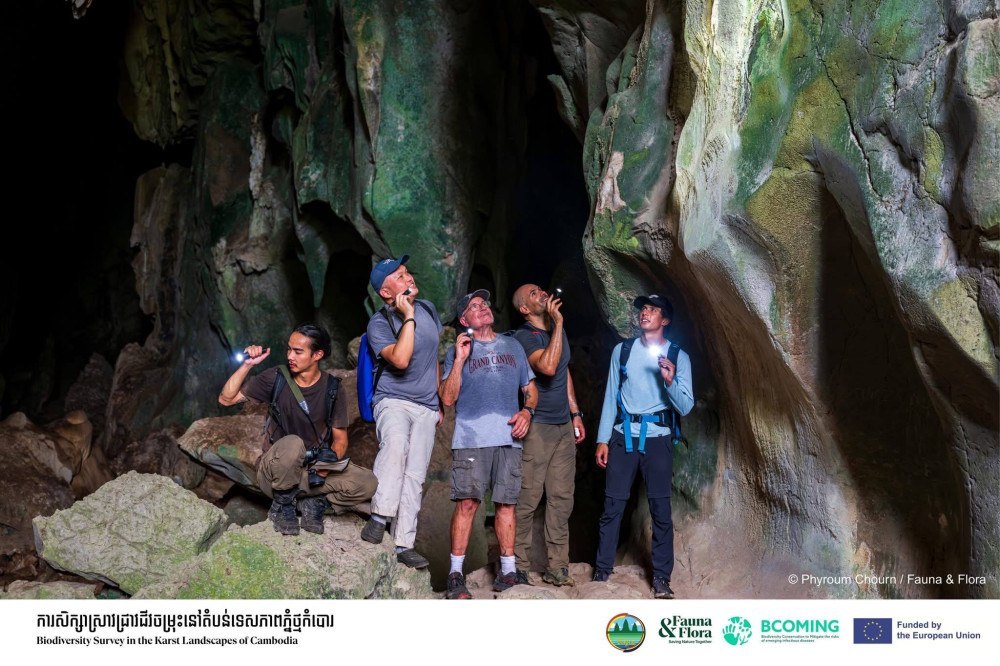
AKP Phnom Penh, March 24, 2026 -- A new biodiversity survey has revealed a vast array of species living within Cambodia’s karst ecosystems. Exploring over 60 caves across ten hills in Battambang province, western Cambodia, the survey uncovers a treasure trove of extraordinary creatures, many of which are found nowhere else on Earth.
According to a joint press release issued on Mar. 23, some of the most significant findings of the survey, led by the Fauna & Flora-Cambodia Programme in collaboration with Cambodia’s Ministry of Environment and field experts, include the discovery of several species new to science.
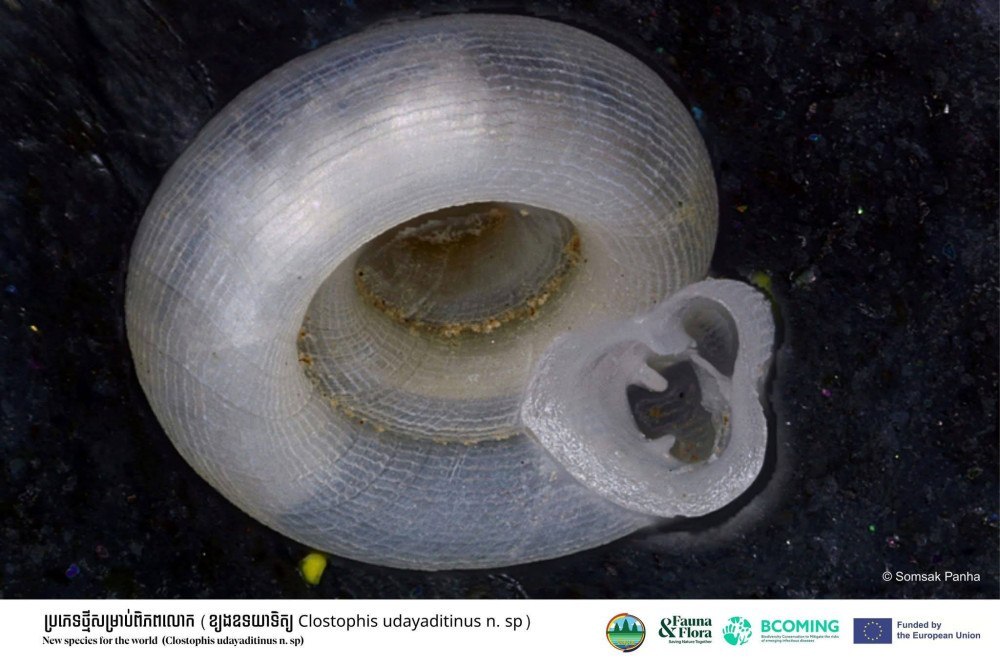
These include three new geckos (Cyrtodactylus kampingpoiensis, Hemiphyllodactylus khpoh, and Dixonius noctivagus), two micro-snails (Clostophis udayaditinus and Chamalycaeus aduncus), and two millipedes (Orthomorpha efefai and Orthomorpha battambangiensis). These seven species have already been officially published.
Three other new geckos (Gehyra sp. nov., Cyrtodactylus sp. nov., and Dixonius sp. nov.) and a new pit viper species (Trimeresurus sp. nov.) are currently being described by researchers.
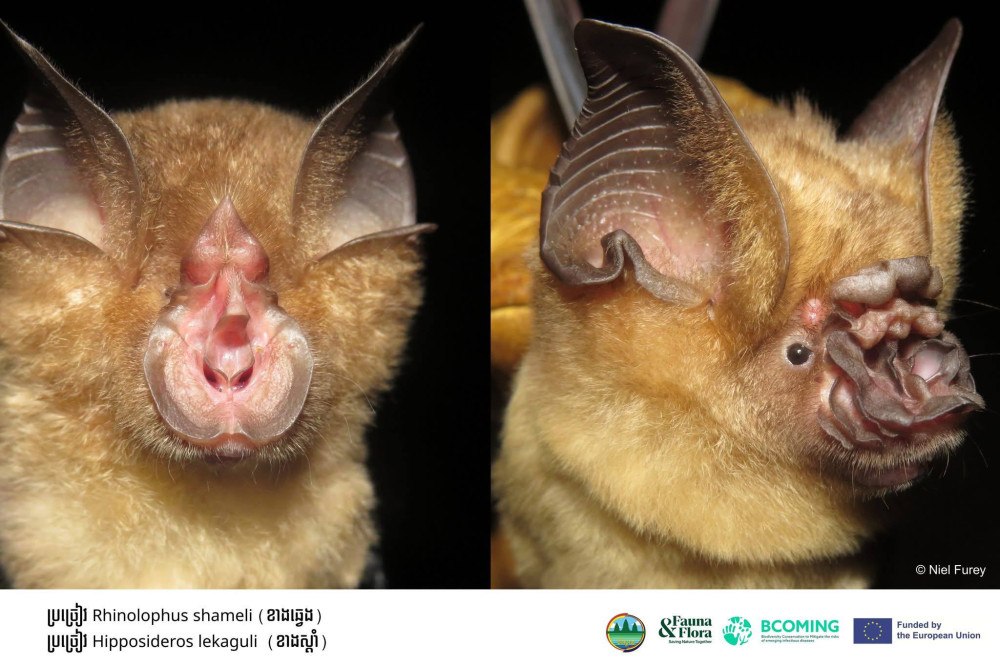
The survey also confirmed the presence of several globally threatened species, including the Sunda pangolin, Indochinese silvered langur, long-tailed macaque, and green peafowl. These findings highlight the urgent need to protect these unique habitats.
Karst landscapes are formed from limestone hills and caves, creating unique features such as sinkholes, springs, and underground streams. Although still relatively unexplored, karst is one of the most biodiverse habitats on Earth with high levels of endemism.
These landscapes are also culturally and spiritually important to local communities and are increasingly valued for ecotourism. However, they face growing threats from quarrying, poorly managed tourism, wildfires, illegal logging, and wildlife hunting.
“This important survey once again demonstrates that Cambodia is a country of outstanding natural richness and global biodiversity significance. Our karst ecosystems are not only home to rare and newly discovered species, but they also provide cultural, spiritual, and economic value to local communities,” H.E. Khvay Atitya, Undersecretary of State and Spokesperson for the Ministry of Environment, said.
He emphasised that the Royal Government of Cambodia, through the Ministry of Environment, is strongly committed to strengthening the protection and sustainable management of these landscapes to ensure that development is balanced with conservation.
“Cambodia’s karst areas are a treasure trove of scientific secrets waiting to be uncovered. From undiscovered reptiles and snails to hidden caves, there is still so much we do not know. Without sustainable management, we may never find out what these areas truly hold,” Sothearen Thi, Karst Biodiversity Coordinator, said.
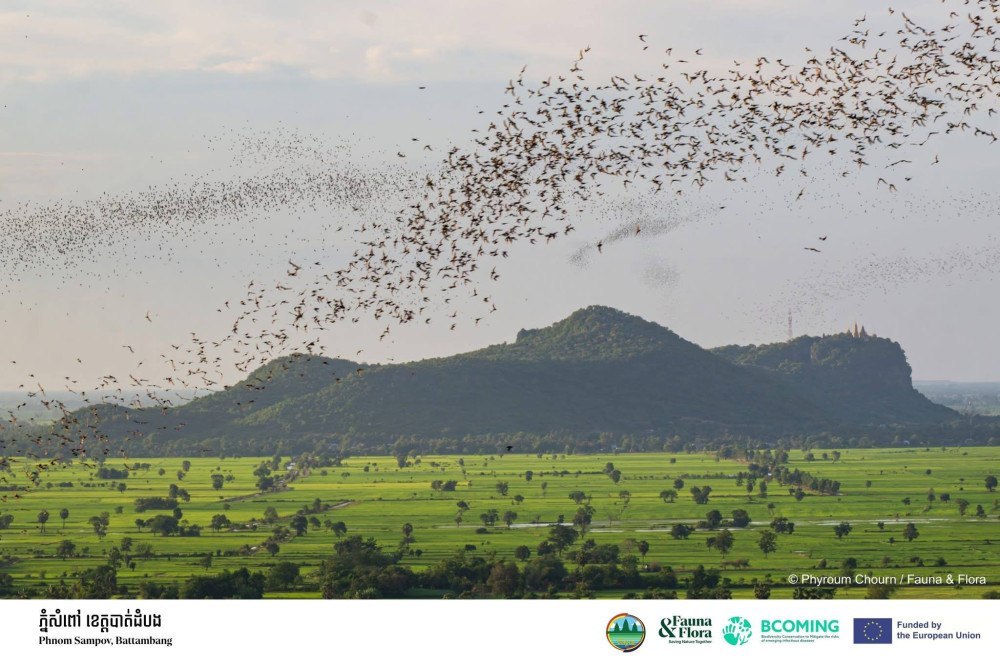
Fauna & Flora is currently working with local partners to conserve Cambodia’s karst, including the recent release of guidelines for the sustainable development and management of cave ecosystems. These guidelines provide practical measures to safeguard bat colonies, preserve rare biodiversity, and promote sustainable guano harvesting.
The biodiversity survey was conducted with financial support from the EU-funded project “Biodiversity Conservation to Mitigate the Risks of Emerging Infectious Diseases” (BCOMING).
By Phal Sophanith