KH
KH  FR
FR  AR
AR CN
CNCulinary Herb Cultivation Bolsters Rural Incomes in Siem Reap
AKP Phnom Penh, March 09, 2026 --
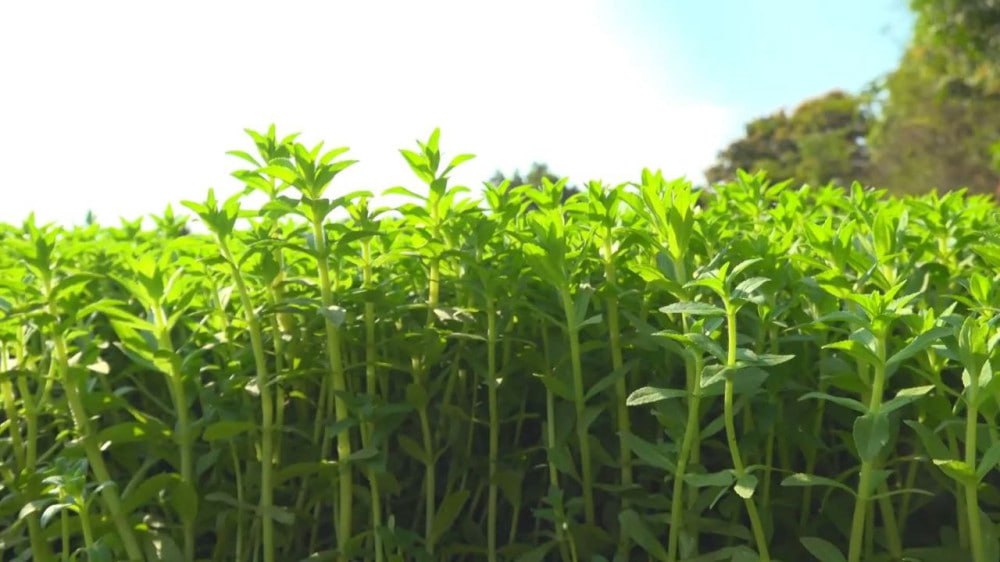
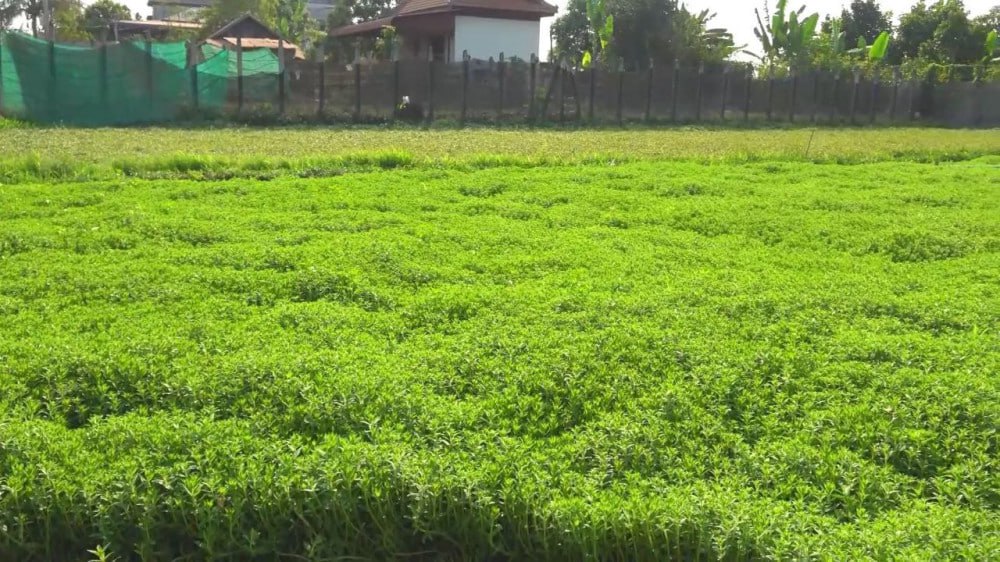
In the wetlands of Sangkat Chreav, the fragrant scent of rice paddy herb (Limnophila aromatica) signifies more than just a traditional soup ingredient; it represents a growing economic lifeline for local smallholder farmers.
Once regarded as a wild weed harvested primarily from monsoon-flooded rice fields for personal consumption, the herb—known locally as Ma’am—has transitioned into a high-demand cash crop.
Driven by a robust domestic market, farmers in Siem Reap province are increasingly formalising its cultivation to stabilise household finances.
Ms. Chin Sarom, a veteran grower in Veal village, has turned her small plot into a year-round production hub. Unlike more temperamental vegetables, rice paddy herb offers a rapid cultivation cycle and resilience against varied seasonal conditions.
"This crop provides a consistent supplementary income of between 300,000 to 500,000 Riel (US$75 to US$125) per month," she said, noting that market prices have remained favorable this year. "I receive daily orders from local wholesalers ranging from 100 to 400 bundles, depending on market demand."
The herb is a staple of Cambodian cuisine, prized for its citrus-cumin aroma and essential role in the national dishes. Its low barrier to entry—requiring minimal technical expertise and little capital investment—makes it an attractive option for farmers looking to diversify beyond rice.
However, environmental challenges persist. While the herb thrives in moisture, excessive flooding during the peak of the rainy season often forces farmers to pause production. Ms. Chin Sarom currently restricts her cultivation to the dry season to mitigate crop loss from rising water levels in her flood-prone district.
Local authorities view the shift toward specialised herb farming as a grassroots success. Mr. Kaop Ron, Chief of Sangkat Chreav, noted that while the district has long been an agricultural hub, the transition to commercial herb production has been largely self-taught, passed down through generations rather than directed by state technical programmes.
"Chreav is an agricultural heartland. Our people have moved from traditional rice farming to high-demand crops like Ma’am, basil, chili and other subsidiary crops," he said. "The expansion we see today is a direct response to market signals."
As Cambodia seeks to reduce its reliance on imported vegetables, small-scale initiatives like those in Chreav are becoming vital. Farmers like Ms. Chin Sarom are now encouraging neighbours to utilise idle land around their homes for integrated cropping.
"It is about more than just profit," she added. "Cultivating these crops reduces daily household expenses, cuts down on imports, and ensures we have a supply of safe, chemical-free vegetables for our community."
Article in Khmer by Khuth Sao
Article in English by K. Rithy Reak