KH
KH  FR
FR  AR
AR CN
CNAround 300,000 Displaced People Receive Explosive Ordnance Risk Education
AKP Phnom Penh, January 16, 2026 —
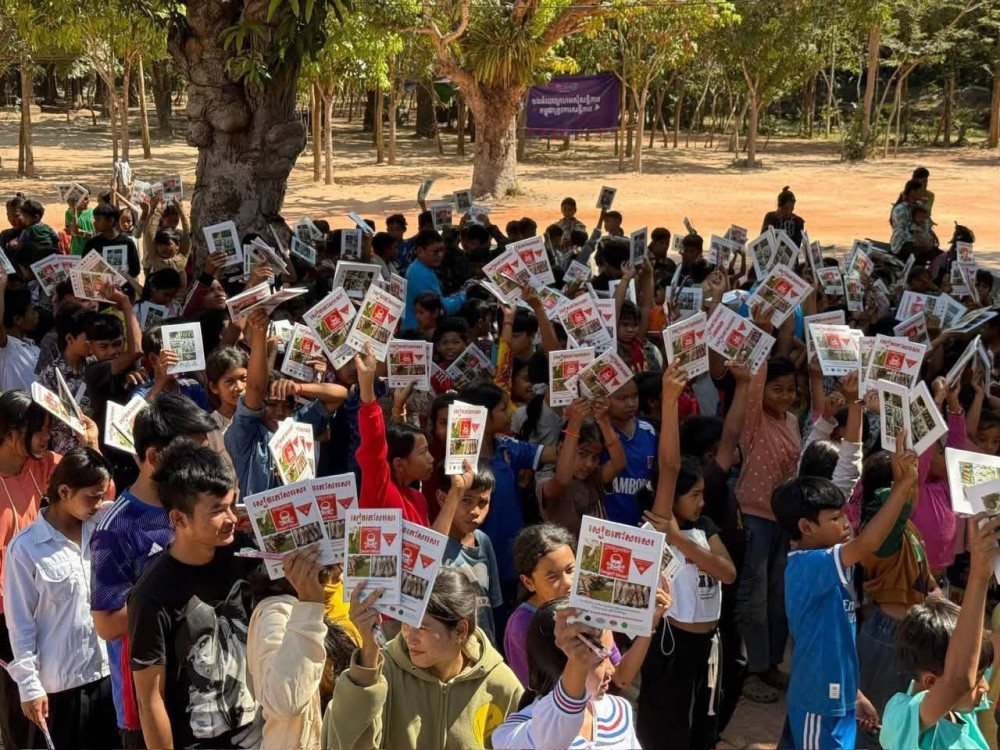
Approximately 300,000 displaced people have received explosive ordnance risk education as part of emergency measures to ensure their safety before returning home, according to the Cambodian Mine Action and Victim Assistance Authority (CMAA).
Following the second incursion by Thailand into Cambodia’s sovereignty and territorial integrity from Dec. 7 to 27, 2025, Prime Minister Samdech Moha Borvor Thipadei Hun Manet issued urgent directives to guarantee the safety, well-being and social harmony of displaced populations. A key priority was raising awareness of the dangers posed by unexploded ordnance prior to their return.
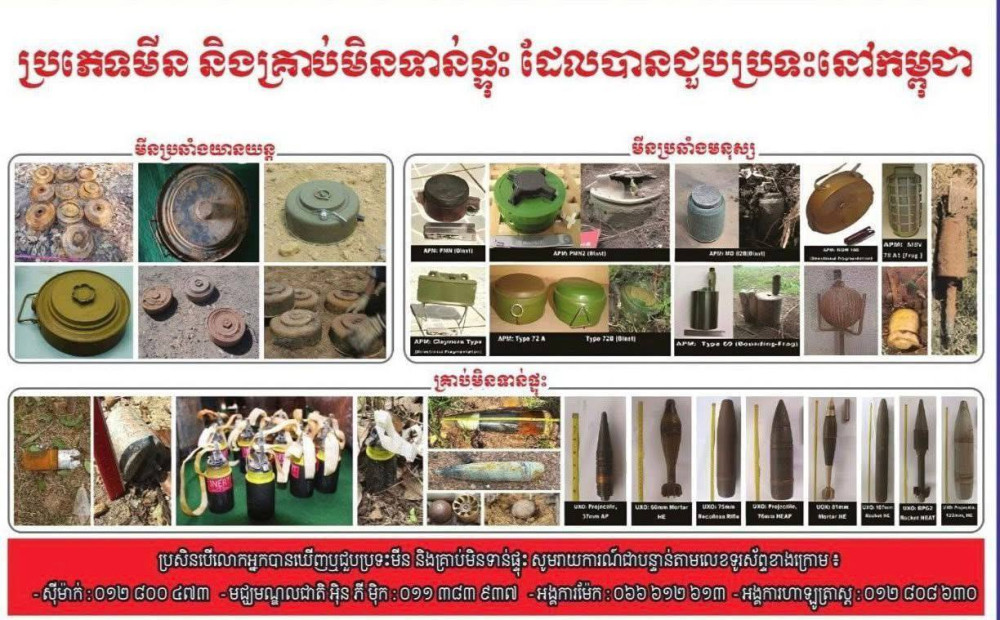
In line with these directives, the CMAA, acting as the government’s technical body, issued emergency guidelines for relevant stakeholders to implement explosive ordnance risk education at displacement centers.
As of Jan. 15, 2026, about 300,000 people out of more than 540,000 displaced persons nationwide had received safety awareness training at displacement sites across seven provinces: Pursat, Battambang, Banteay Meanchey, Siem Reap, Koh Kong, Preah Vihear and Oddar Meanchey.
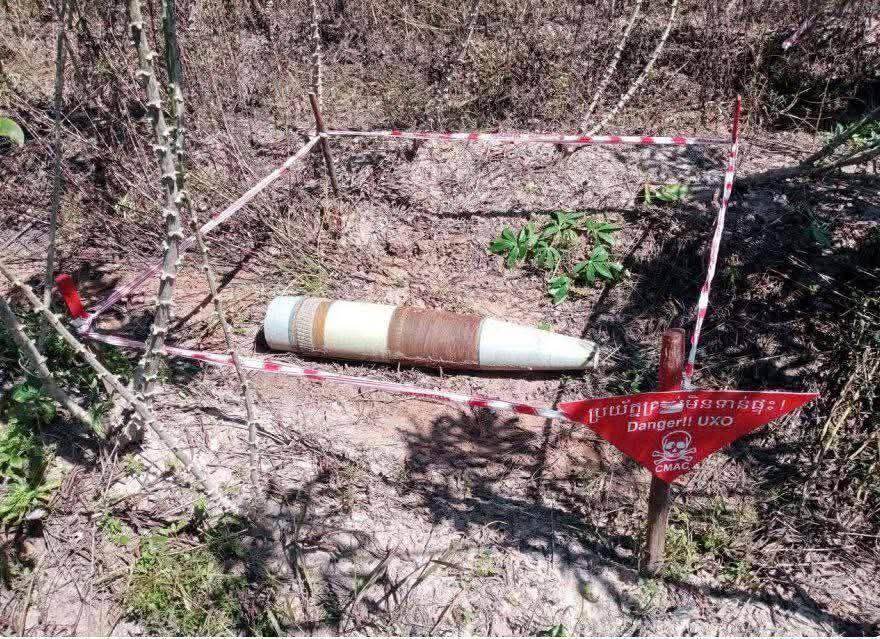
Alongside awareness campaigns, the Cambodian Mine Action Centre (CMAC) has been collecting and destroying various types of explosive remnants of war and continuing survey and clearance operations in selected locations to ensure the safety of displaced communities before their return.
On the occasion, on behalf of Prime Minister Samdech Moha Borvor Thipadei Hun Manet, H.E. Senior Minister Ly Thuch, First Vice President of the CMAA, expressed profound gratitude and high appreciation to relevant ministries and institutions, mine action operators, the Cambodian Red Cross, armed forces, development partners, local authorities at all levels, youth volunteers and other mine-action stakeholders for their contributions to safeguarding displaced populations.
The CMAA reaffirmed its commitment to continued coordination with relevant stakeholders, using available resources to expand risk education activities and prioritise clearance operations in war-affected areas. These efforts aim to support the rehabilitation of infrastructure such as pagodas, ancient temples, schools, hospitals, health centres, administrative offices, markets and bridges, as well as the resettlement of affected communities.
The authority also pledged to strengthen cooperation with donor countries, development partners, the private sector and other stakeholders to mobilise additional resources for ongoing and future explosive ordnance clearance activities in Cambodia.
By C. Nika