KH
KH  FR
FR  AR
AR CN
CNWildlife Alliance Celebrates Successful Hornbill Reintroduction in Angkor Park
AKP Siem Reap, April 18, 2025 --
The Wildlife Alliance today announced a significant milestone in their ongoing efforts to restore the natural biodiversity of the Angkor Archaeological Park.
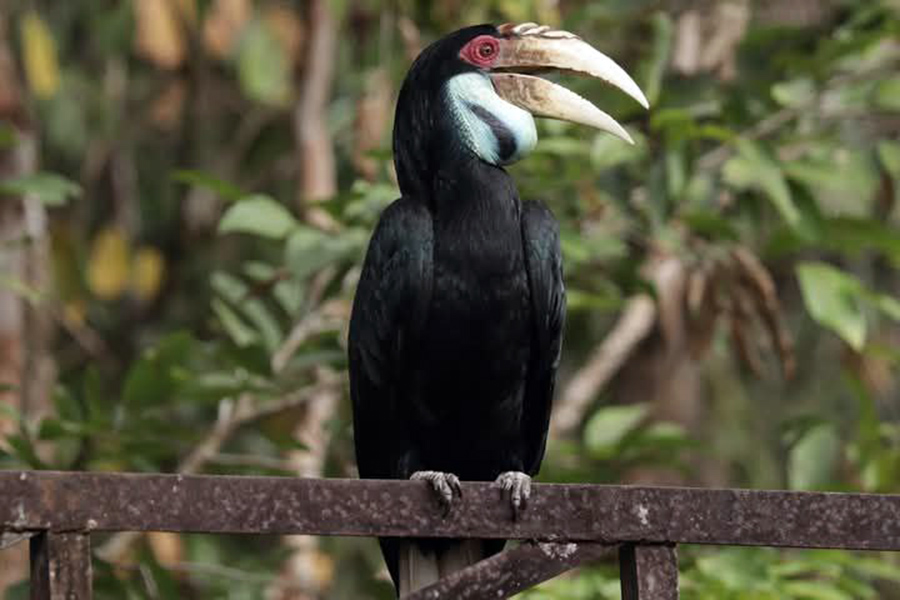
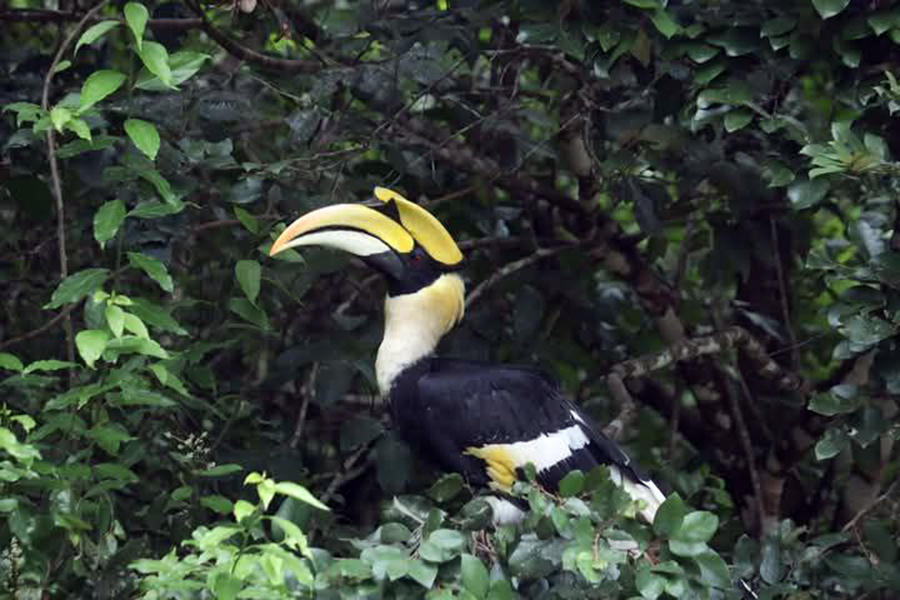
Over the past several years, the organisation has successfully reintroduced three magnificent hornbill species – the Oriental Pied Hornbill, the Great Hornbill, and the Wreathed Hornbill – into the park's forests.
Hornbills are iconic birds of Southeast Asian forests, recognised for their impressive size, distinctive beaks, and the powerful sound of their wings in flight. These species play a vital ecological role as important seed dispersers, contributing significantly to forest regeneration by feeding on fruits and spreading their seeds across the forest floor.
The tranquil, semi-evergreen forests within the Angkor Archeological Park provide a suitable habitat for these birds. While they can be elusive, visitors travelling along the roads leading to Siem Reap city may occasionally be rewarded with the sight of these majestic creatures gliding through the forest canopy.
The reintroduction programme by the Wildlife Alliance aims to bolster the populations of these species, which have faced threats in the wider region due to habitat loss and hunting.
The International Union for Conservation of Nature (IUCN) estimates the global population of Great Hornbills to be between 23,000 and 71,000 individuals, with mature adults numbering between 13,000 and 27,000, many of whom reside in protected areas worldwide.
This initiative marks another success in the Wildlife Alliance's long-term commitment to rewilding the Angkor landscape.
By K. Rithy Reak