KH
KH  FR
FR  AR
AR CN
CNPM Wishes Safety and Joy to Compatriots on Traditional New Year
AKP Phnom Penh, April 13, 2025 --
Prime Minister Samdech Moha Borvor Thipadei Hun Manet has extended his warmest wishes to his compatriots on the occasion of the Khmer Traditional New Year.
"Happy New Year! On this special occasion, I wish all grandparents, uncles, aunts, brothers, sisters, nephews, and nieces traveling to their hometowns a safe and joyful reunion with their families. I especially wish you all good health, strength, longevity, and success in all your endeavours," the Premier wrote on his social media platforms this morning.
Cambodians will celebrate their traditional New Year, one of the country's most cherished festivals, starting tomorrow.
At 4:48 a.m. on April 14, the Year of the Snake will officially begin, accompanied by the arrival of the New Year's angel, Koreakeak Devy, the second daughter of Kabel Moha Prum.
The Khmer New Year, or “Chaul Chnam Thmei,” typically falls in mid-April, during the fifth month of the Cambodian lunar calendar, known as Chet. This marks a period when farmers take a break after the dry-season rice harvest.
During the three-day celebration, Cambodians generally return to their hometowns, visit pagodas, travel to tourist destinations, and take part in a wide array of cultural and recreational activities.
To ease travel expenses, the Royal Government annually offers free bus services. This year, the Phnom Penh municipal administration has arranged 597 buses to operate between Phnom Penh and the provinces from April 12 to 17.
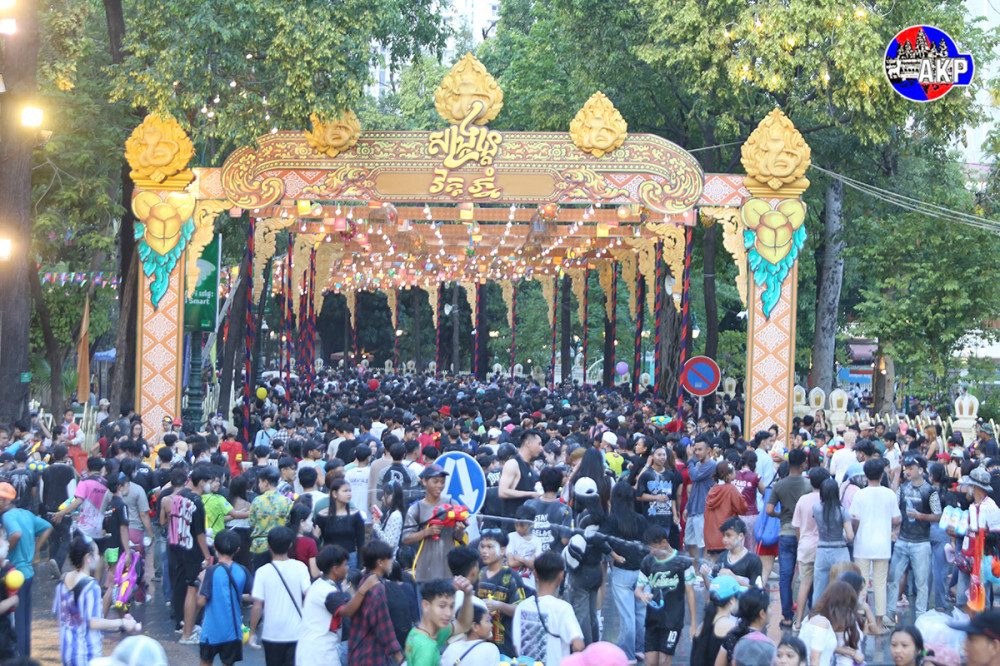
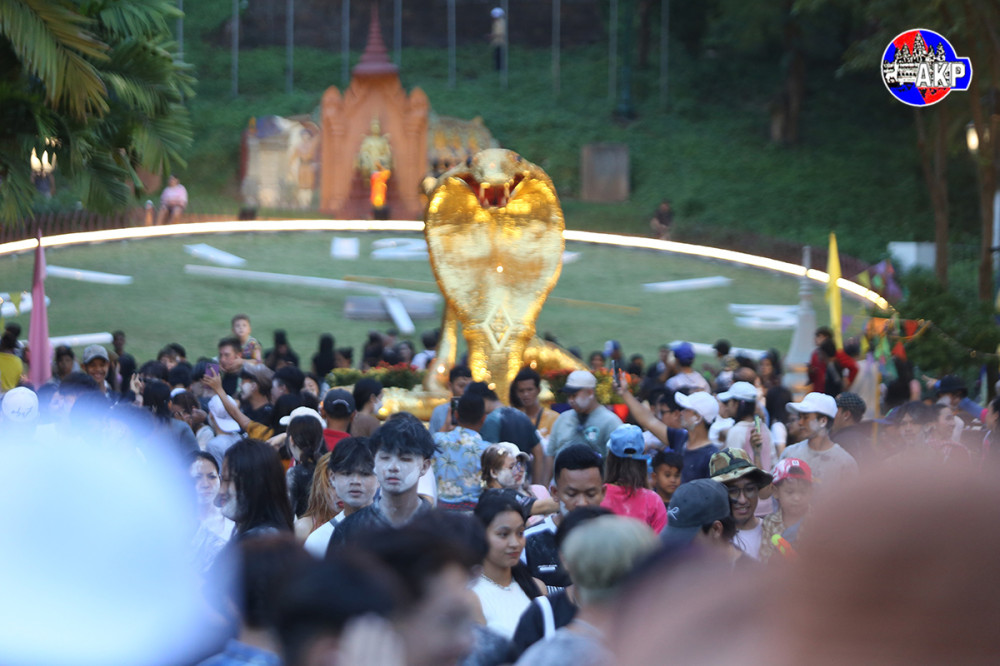
Throughout the capital and across the provinces, preparations are in full swing to welcome the New Year, fostering a festive and family-centred atmosphere. Streets, parks, and riverbanks are adorned with vibrant decorations, including colorful lights, national and religious flags, flowers, and serpent statues representing the Year of the Snake.
The Khmer New Year is a time-honoured tradition that embodies the values of love, unity, and national solidarity. Beyond family gatherings, many people visit pagodas, which serve as community centres that strengthen social bonds. The enduring significance of this festival has ensured its preservation from ancient times to the present.
By C. Nika