KH
KH  FR
FR  AR
AR CN
CNKhmer Sbay Reflects Glorious Ancestral Civilisation, Preserved by New Generations
AKP Phnom Penh, October 7, 2026 --
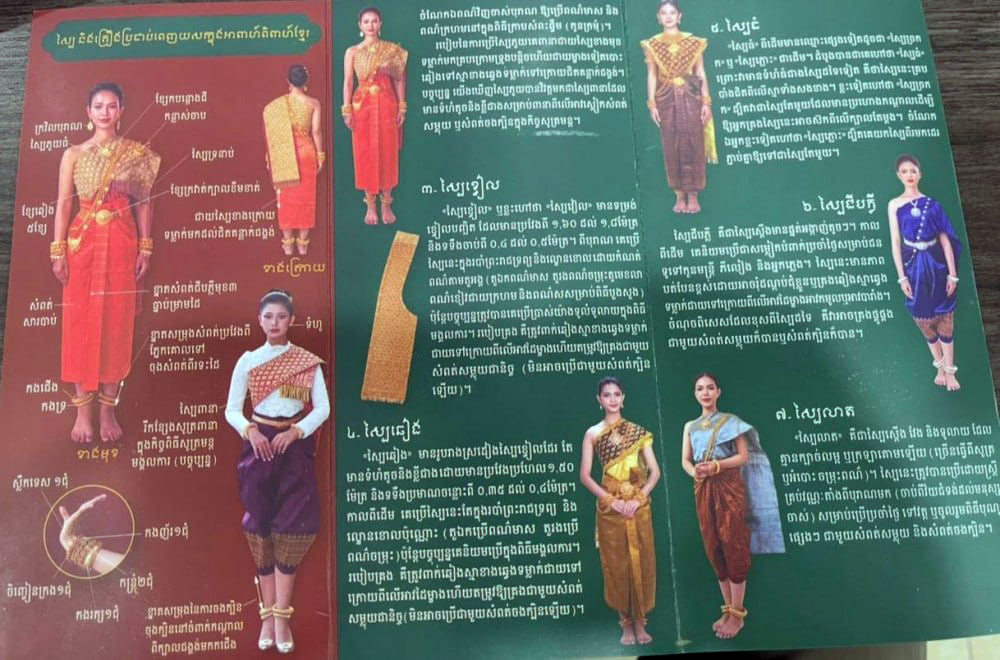
Historical studies and archaeological evidence show that traditional Khmer clothing has evolved over many centuries, with the sbay forming an important part of this cultural heritage. Rooted in Khmer civilisation since the Funan period, the sbay has been passed down and used from one generation to another to the present day.
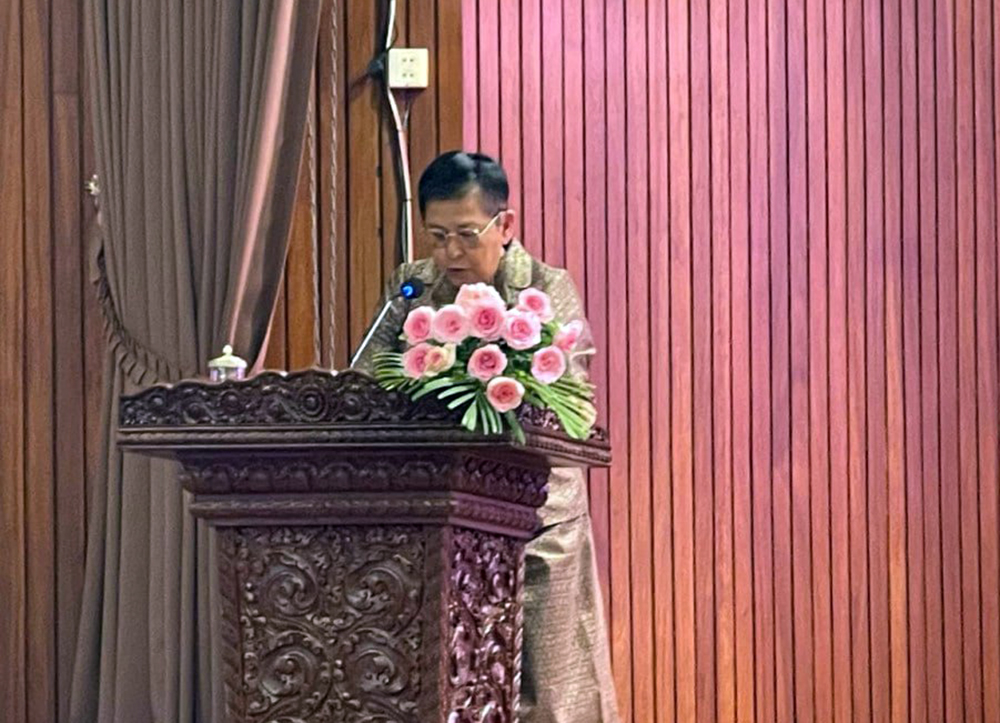
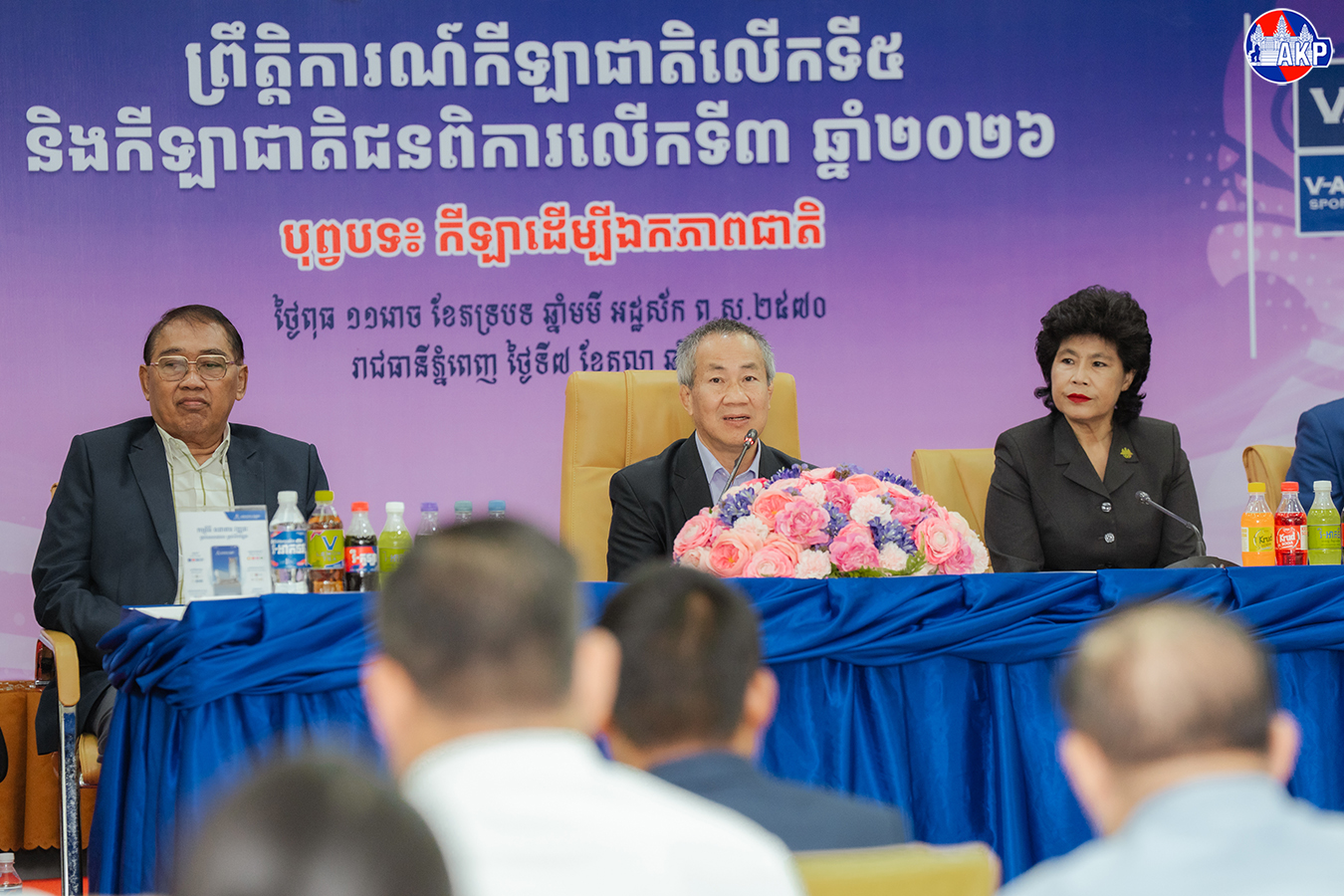
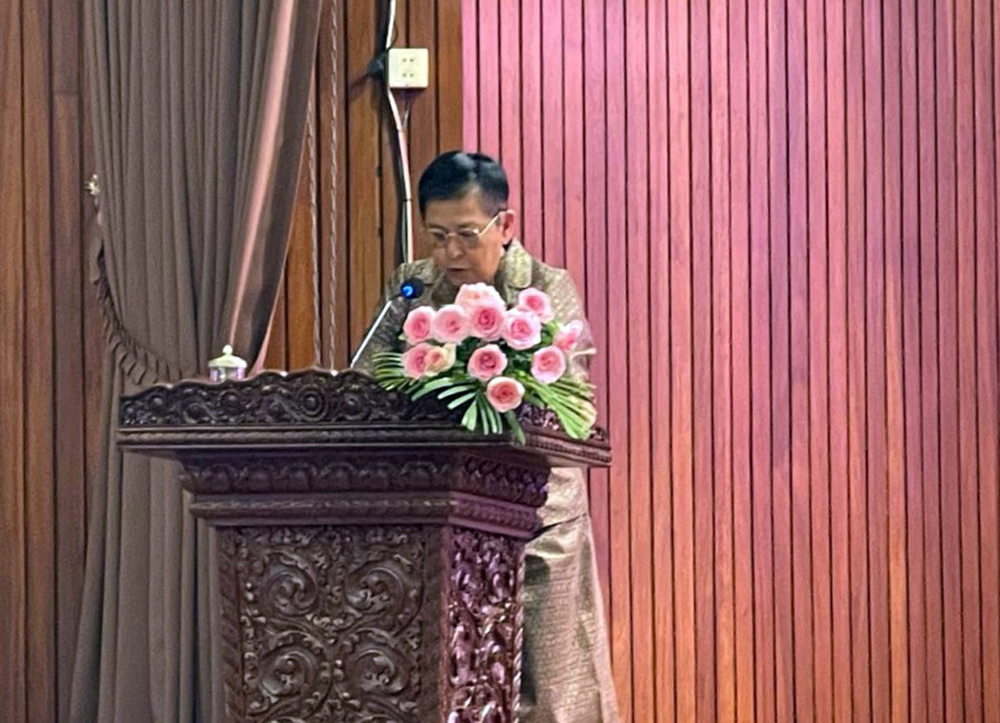
Speaking at a workshop on the orientation of the Khmer sbay and its use in traditional customs and Khmer weddings held in Phnom Penh on Oct. 6, H.E. Dr. Phoeurng Sackona, Minister of Culture and Fine Arts, said the sbay has been widely used as part of traditional national attire, wedding ceremonies – including the Preah Thaong Taong Sbay ritual – and traditional artistic performances.
The Minister described Khmer weddings and traditional attire as the spirit and breath of the nation and an ancient expression of Khmer civilisation. She noted that wedding traditions have evolved over many generations, while highlighting respect for mothers as a distinctive feature of Khmer society.
H.E. Dr. Phoeurng Sackona said the long history of the sbay was demonstrated by its continued use in Khmer wedding ceremonies, including the tradition in which the groom holds onto the bride’s sbay, which she described as reflecting the high value traditionally placed on women.
She added that evidence from the glorious Angkorian period, including stone inscriptions and carvings, also reflects the cultural, artistic and economic achievements of Khmer civilisation during that era.
Regarding the preservation of Khmer cultural heritage, the Minister stressed the need for Cambodians to work together to protect and promote their traditions. She noted that Khmer cultural heritage is reflected not only in traditional practices, sculptures and archaeological artefacts, but also in living traditions and scientific research.
“Khmer history does not live only in books or in temple stones. It lives in our people, in our memories, in our practices and in the hearts of each and every one of us,” she said.
H.E. Dr. Phoeurng Sackona also called on people working in the cultural sector, including artists and beauty professionals directly involved in Khmer wedding ceremonies, to recognise that their work is not merely a daily occupation but a profession of honour, as well as a form of cultural ambassadorship and a responsibility to safeguard Khmer heritage.
She urged them to understand and preserve the cultural value of Khmer traditions and to learn about their history, while encouraging creativity that remains rooted in traditional Khmer forms. She cautioned against inappropriate adaptations that could make Khmer traditions appear to be copies of those of others and lead to the loss of their distinctive Khmer identity.
Historical evidence documenting the role of the sbay in Khmer culture includes statues, inscriptions, carvings, manuscripts, palm-leaf texts and ancient paintings. These sources demonstrate the continued development and evolution of the sbay across different historical periods, including the Angkorian and post-Angkorian eras.

Article in Khmer by Makara
Article in English by C. Nika