KH
KH  FR
FR  AR
AR CN
CNCambodia Strengthens Vocational Training Ties with Finland, France at WorldSkills Shanghai 2026
AKP Phnom Penh, September 25, 2026 --
Cambodia's Ministry of Labour and Vocational Training announced Thursday that it has held bilateral meetings with education officials from Finland and France to bolster cooperation in Technical and Vocational Education and Training (TVET) aimed at developing skilled human resources aligned with evolving labour market demands.
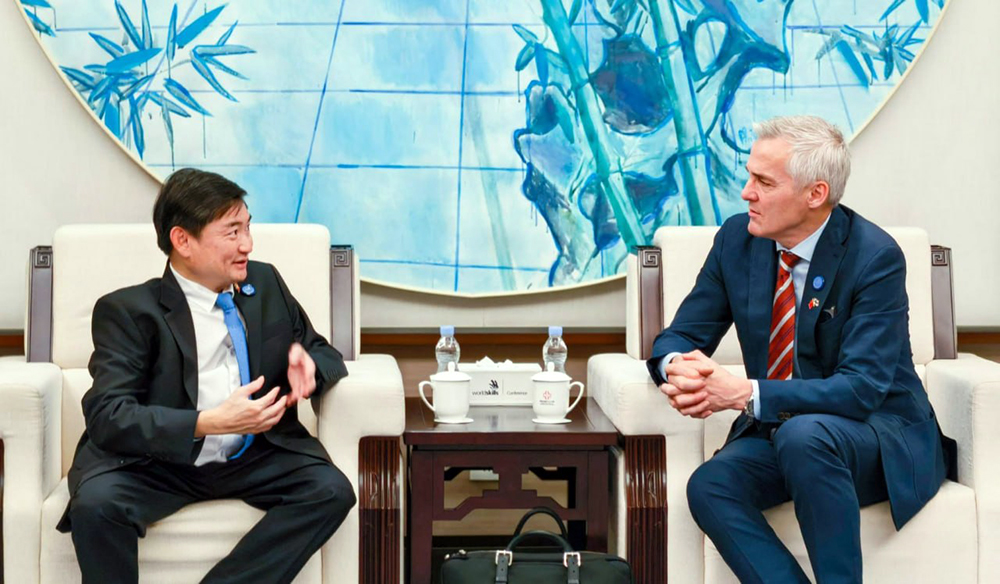
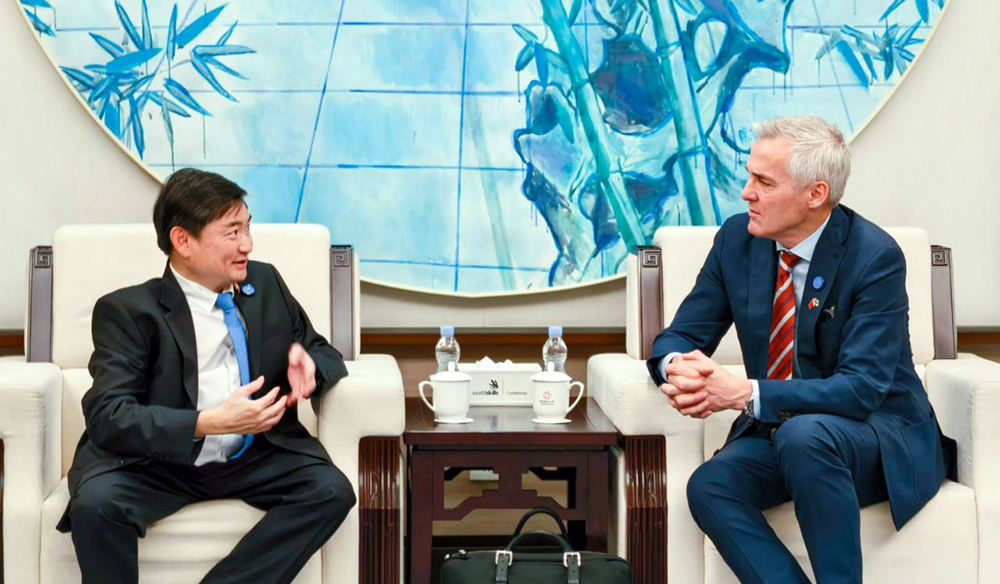
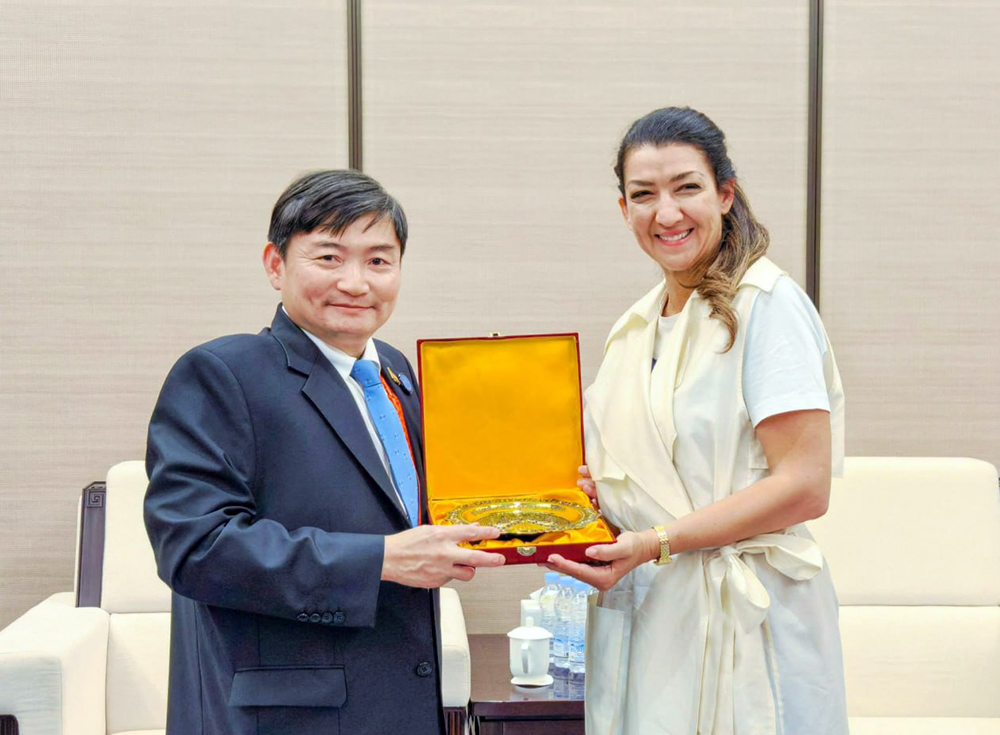
Cambodian Minister of Labour and Vocational Training H.E. Heng Sour met separately with Finnish Minister of Education H.E. Anders Adlercreutz and French Minister Delegate for Vocational Education and Training H.E. Ms. Sabrina Roubache during the WorldSkills Shanghai 2026 event and conference held at the National Exhibition and Convention Centre in Shanghai from Sept. 22 to 24.
During the meeting with H.E. Adlercreutz on Wednesday, both sides discussed strategies to promote TVET implementation. The two ministers agreed to initiate cooperation through institutional partnerships between training centres and private sectors of both nations, paving the way for full government-to-government cooperation in the future.
In a separate bilateral meeting with H.E. Ms. Roubache on the same day, H.E. Heng Sour commended the long-standing friendship between Cambodia and France, emphasising France's significant contribution to Cambodia's skill development and human resources via the French Development Agency (AFD).
H.E. Heng Sour noted that the talks were timely as both nations work to prepare youth and workforce capabilities for a rapidly changing job market. He reaffirmed Cambodia's readiness to deepen ties with France to build workforce resilience, particularly in agriculture and food technology sectors.
In response, H.E. Ms. Roubache congratulated Cambodia on hosting the upcoming 20th Francophonie Summit scheduled for November 2026. She expressed hope that both nations would sign a Memorandum of Understanding (MoU) during the summit to solidify partnerships in TVET, apprenticeship programmes, and skill exchanges in construction, agriculture, and food production.
By K. Rithy Reak