KH
KH  FR
FR  AR
AR CN
CN“Nokor Sankranta" Draws Thousands as Khmer New Year Festivities Grip Phnom Penh
AKP Phnom Penh, April 15, 2026 —
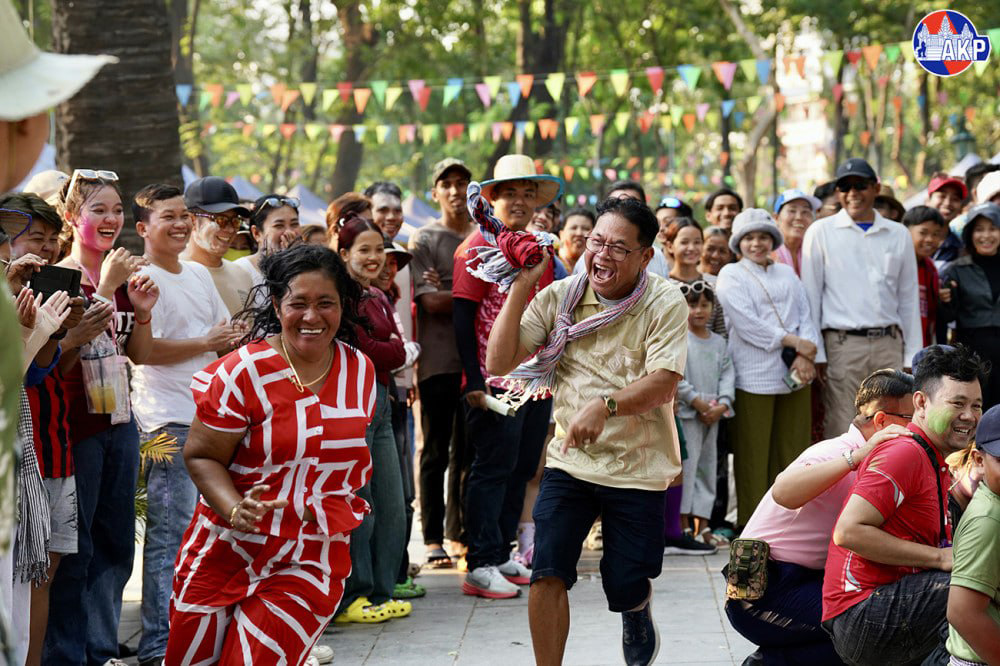
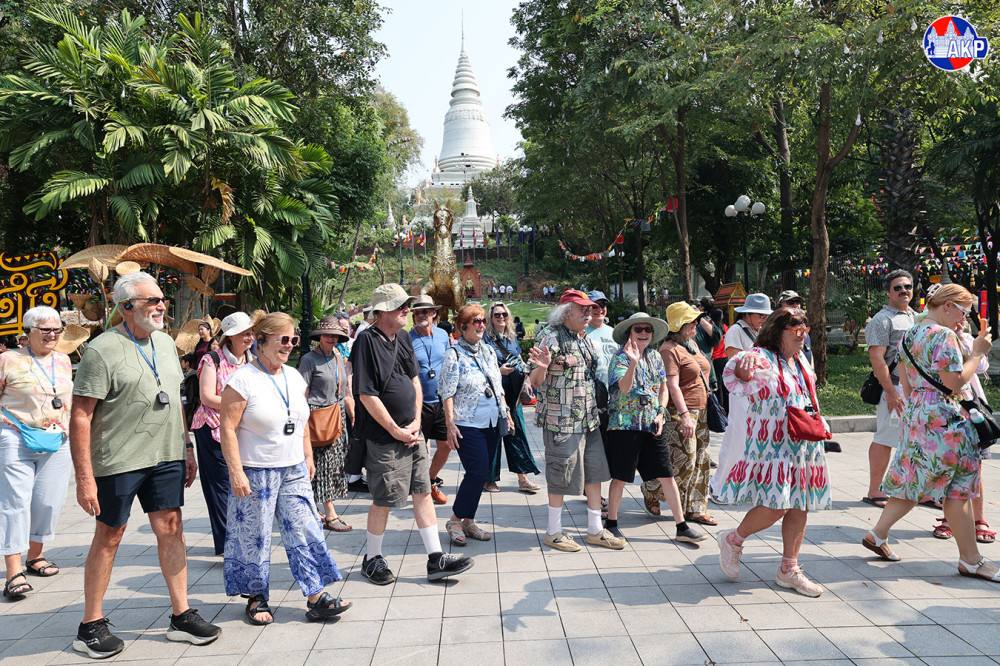
A festive atmosphere swept Cambodia’s capital as “Nokor Sankranta,” the Kingdom’s flagship Khmer New Year celebration, kicked off with thousands of locals and foreign tourists gathering at Wat Phnom and other venues across Phnom Penh.
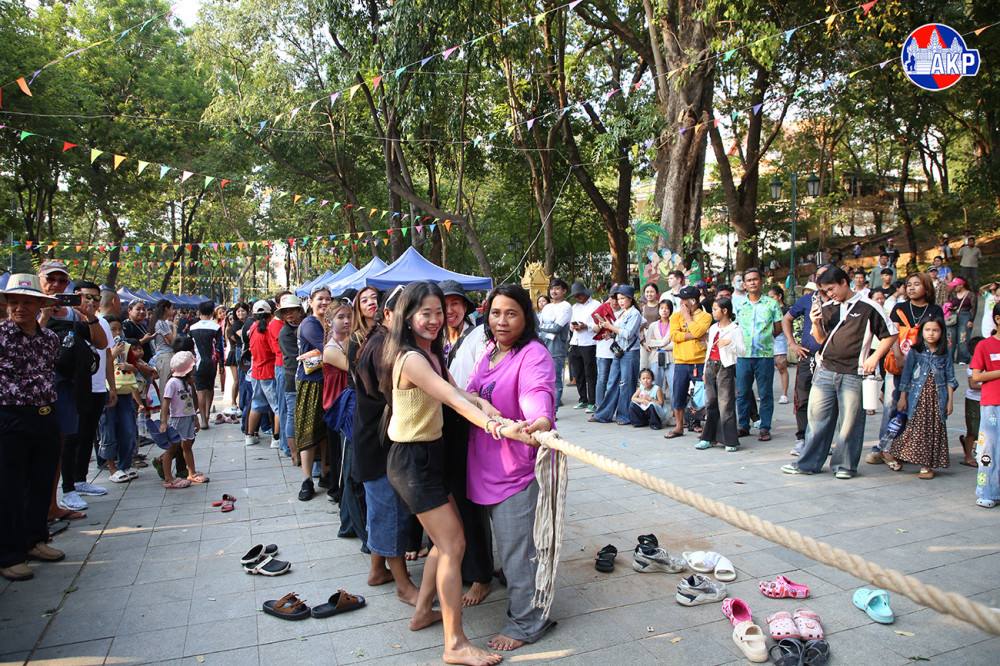
The six-day event, running from April 14 to 19, is organised by the Union of Youth Federations of Cambodia (UYFC) in collaboration with the Phnom Penh Municipal Administration. It features traditional Khmer games, classical dance performances, and an Angkunh toss competition.
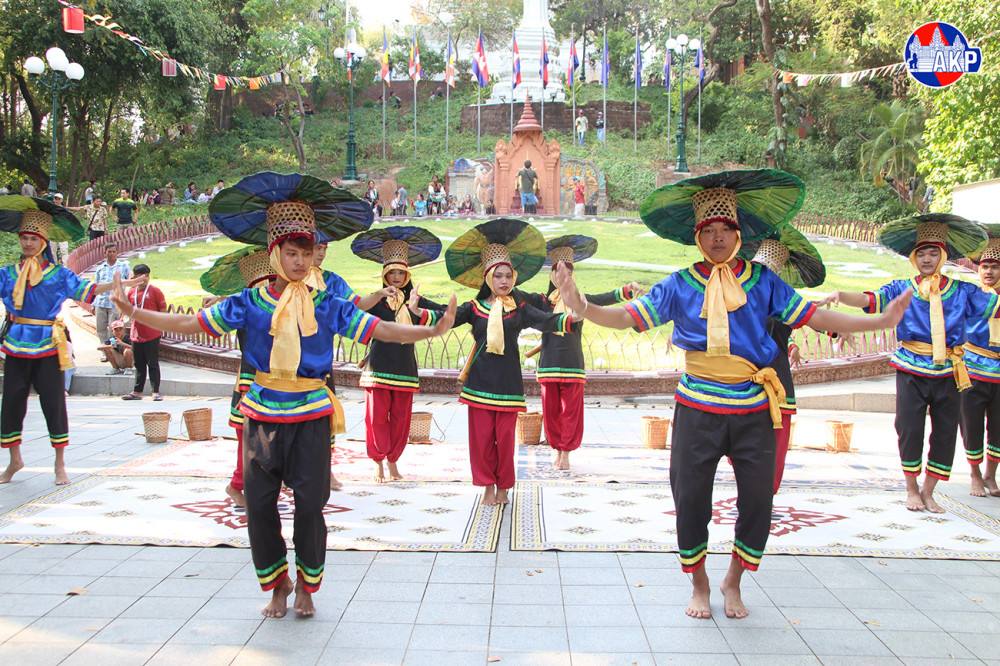
On opening morning, the Troddi Dance—a ritual believed to ward off the previous year’s misfortunes—drew large crowds. “I am incredibly proud to perform today,” said dancer Ork Serey Piseth. “This festival allows the world to witness the grandeur of our ancestors’ cultural heritage.”
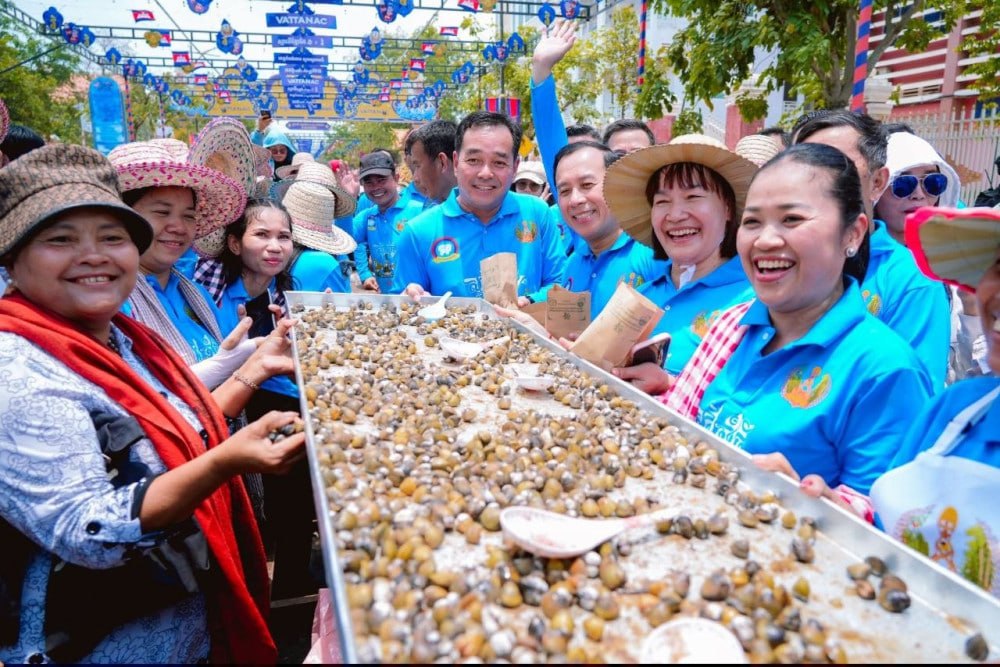
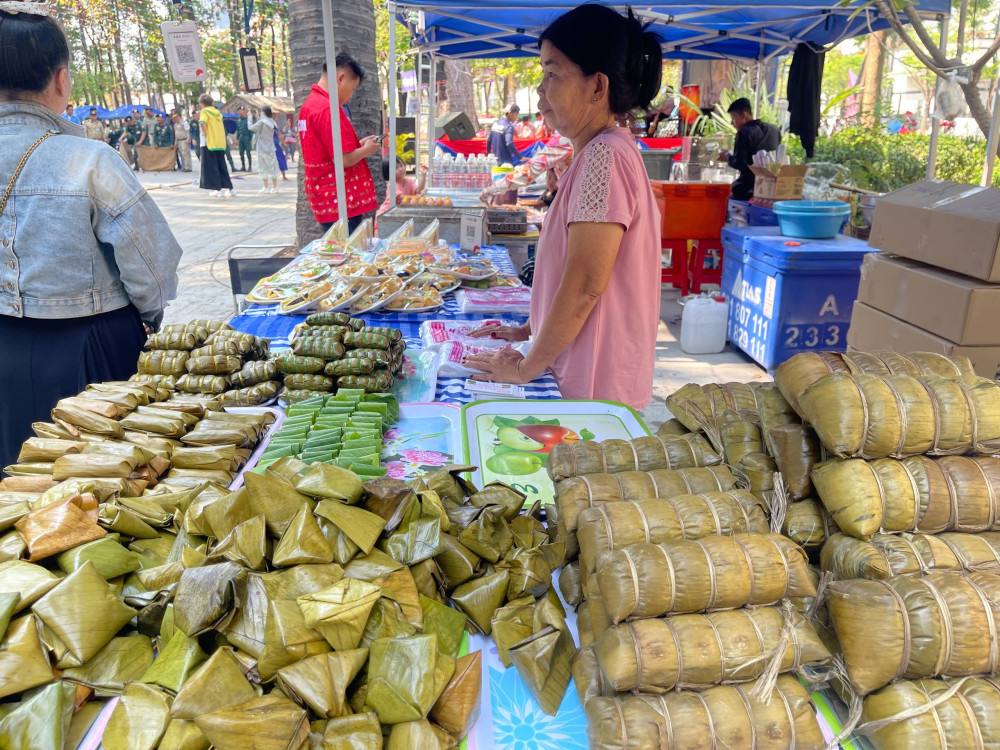
The tourism surge is boosting local vendors, particularly those selling traditional cakes such as Ansom Chrouk (sticky rice with pork) and Num Kom. “Sales have been excellent since the first morning,” said Sok Thoeun, a vendor from Kandal province.
Food stall owner Sarin Ravy expects to earn between 1 million and 3 million Riels (US$250–US$750) during the holiday. “Even though I am busy selling, I still find time to visit the pagoda and join the festivities,” she added.
Spanish traveller Valo Smith, exploring the Tuol Tumpoung area, praised local hospitality: “The energy in Phnom Penh is amazing. The traditional celebrations are unique and eye-catching.”
The ceremonial welcome of the “New Year Angel” on April 14 was led by Deputy Prime Minister, and UYFC President H.E. Hun Many, alongside Phnom Penh Governor H.E. Khuong Sreng.
Authorities have designated multiple festivity zones: Wat Phnom for cultural and religious ceremonies; the Chaktomuk Walk Street from the Night Market to the Royal Palace; and entertainment hubs including Bassac Lane, Street 308, and areas around Tuol Tumpoung Market.
The 2026 Khmer New Year, the Year of the Horse, also features live concerts, exhibitions of Khmer products, and community-wide celebrations aimed at boosting national pride and international tourism.
By K. Rithy Reak