KH
KH  FR
FR  AR
AR CN
CNGuardians of the Frontier: A Khmer New Year Forged in Sacrifice and Sanctity
AKP Phnom Penh, April 14, 2026 --
This Chaul Chnam Thmey, as Cambodia steps into the Year of the Horse, the usual splash of celebration gives way to a deeper current: unity between the front and the rear.
Behind the jasmine-scented rituals and quiet temple courtyards lies an unbreakable chain linking three pillars of the nation—frontline troops, displaced border communities, and the urban heartland. This year, the preservation of Cambodian culture is not just an act of memory. It is an act of wartime solidarity—forged through blessings, restraint, and a shared refusal to let tradition fray.
Across the capital and provincial towns, the Royal Government’s ban on public water splashing, talcum powder, and fireworks has sparked not disappointment, but a cultural renaissance. With severe regional droughts threatening safety, the Ministry of Cults and Religion reframed the holiday’s spirit: no longer chaos, but grace.
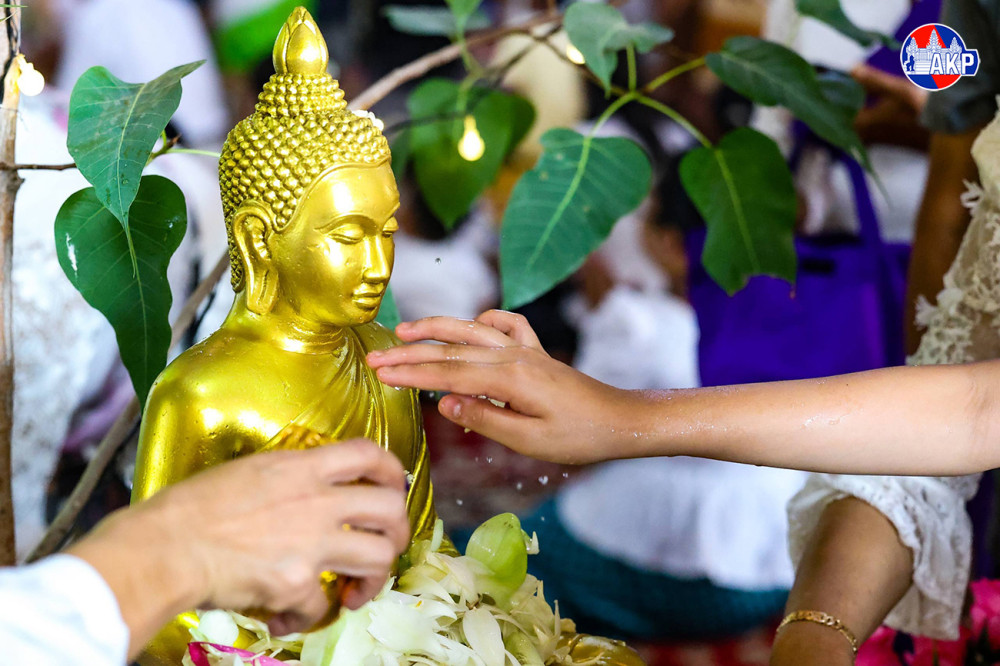
Young people now return to ancestral homes to wash the hands and feet of elders—a profound act of bon (merit). Temple yards echo with traditional games instead of water-gun shrieks. And the most sacred act—the gentle pouring of jasmine-scented water over Buddha statues—has returned to centre stage.
Every saved drop, every Riel not spent on parties, becomes a silent tribute to those standing watch on the Kingdom’s edges.
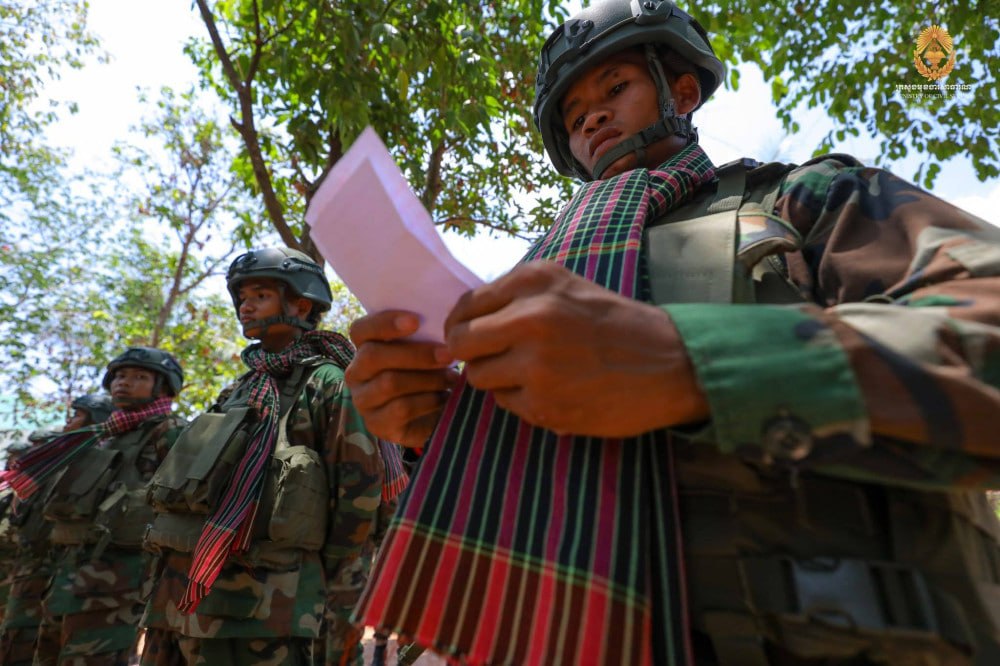
While families gather in capital city and other urban areas, troops remain stationed at remote border outposts—the nation’s “solid fence.” This year, high-level delegations from state institutions have turned logistical supply runs into emotional lifelines. Food packages and cash donations arrive not as handouts, but as a grateful public’s thank you.
At one such outpost near Oddar Meanchey, soldiers in uniform knelt as visiting monks chanted blessings for strength and safety. No music, no dancing—only the quiet dignity of men and women who protect Khmer land, and by extension, Khmer custom.
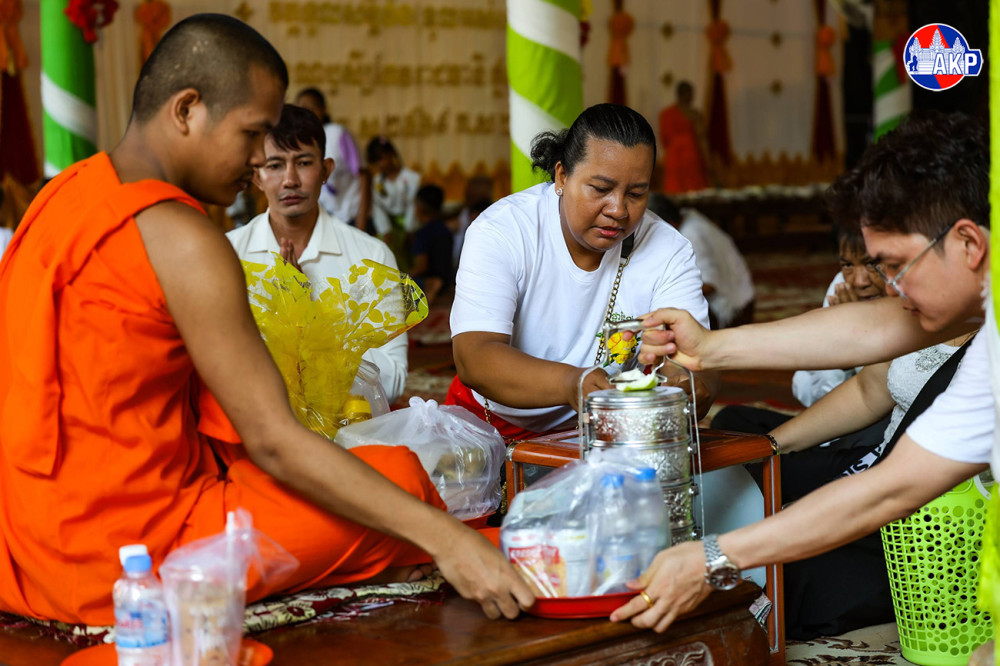
For displaced families living in border zones—caught between historical trauma and present uncertainty—the same delegations bring integrated aid packages. These go beyond rice and blankets: they include seeds for rebuilding, school supplies, and support for local wat (pagodas) to keep ancestral rites alive.
The Royal Government’s goal is transformative: turn border regions from frontline scars into corridors of peace, friendship, and sustainable development. In doing so, they answer a core question—Can Khmer identity survive far from the capital? The 2026 answer is a resounding yes.
Because identity lives not in crowded markets alone, but in a soldier’s quiet prayer at dawn, a displaced elder teaching a grandchild how to offer food to monks, and an urban youth choosing jasmine water over a plastic gun.
“In the Year of the Horse,” a senior official reflected at a border ceremony, “Cambodia advances not as individuals, but as one unbroken family—united from front to rear, unbowed and blessed.”
This Khmer New Year, the guardian and the grandparent, the evacuee and the official, the city-dweller and the sentry—all move as one. Tradition is not preserved in amber. It is held alive by those willing to sacrifice the splash for the sacred, proving that the strongest nation is not the loudest, but the most loyal.
“From the bustling capital to the furthest frontier, the blessing reaches everyone in the Year of the Horse as Cambodia advances not as individuals, but as an unbroken family—united from front to rear, unbowed and blessed.”
By K. Rithy Reak