KH
KH  FR
FR  AR
AR CN
CNHelen Keller International Highlights Vision and Mission to Combat Blindness and Malnutrition in Cambodia
AKP Phnom Penh, March 03, 2026 --
A representative of Helen Keller International (HKI) has commended the Cambodian Ministry of Education, Youth and Sport for its dedicated cooperation and outlined the organisation’s vision and mission in Cambodia, which centres on reducing preventable blindness and eliminating childhood malnutrition.
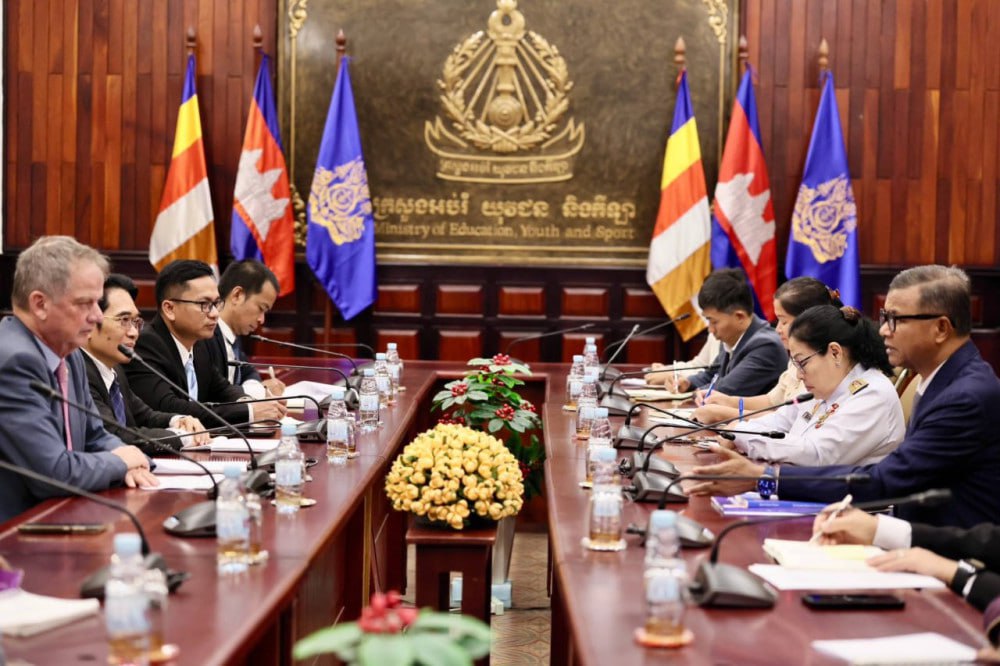
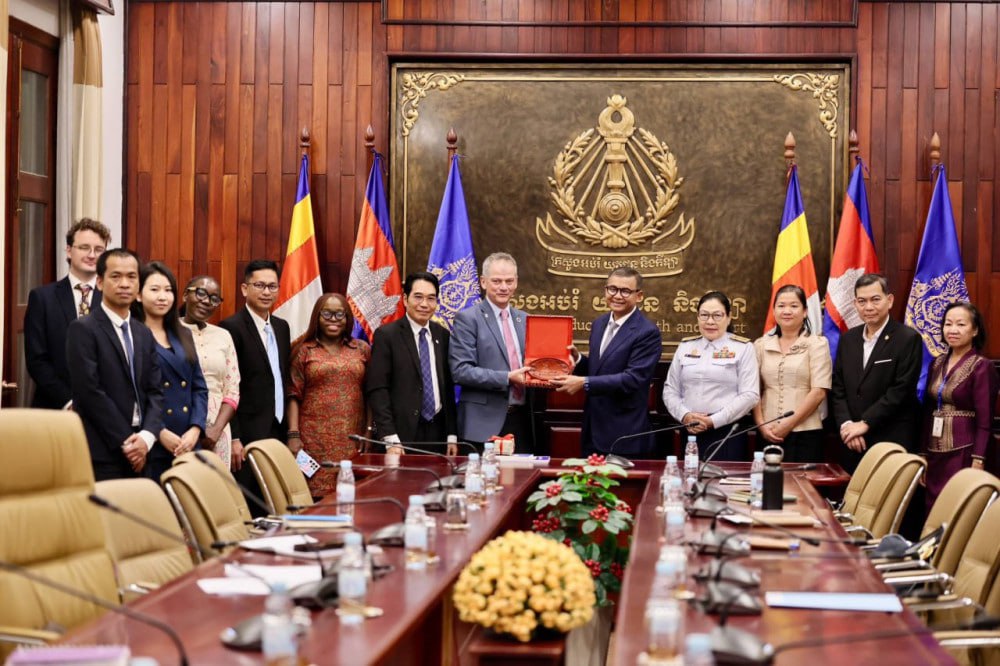
During a meeting on Mar. 2 afternoon with H.E. Dr. Hang Chuon Naron, Deputy Prime Minister and Minister of Education, Youth and Sport, Dr. Shawn Baker, a senior representative from HKI, emphasised that the organisation is actively implementing three key projects in 2026 to address critical health and nutrition needs.
These initiatives include: 1. Promoting nutrition through small-scale homestead agriculture by training community women to cultivate diverse high-vitamin vegetables and raise chickens and ducks to ensure family nutritional security; 2. Implementing school-based eye health programmes to identify children with refractive errors (near- or farsightedness), providing free eyeglasses and treatment; 3. Expanding the use of digital technology for eye screening and training teachers in target provinces to utilise mobile applications for assessing primary school students’ vision.
In response, H.E. Dr. Hang Chuon Naron expressed deep gratitude to HKI for its longstanding contributions since 1992 toward enhancing human resource quality in Cambodia. He highlighted recent progress and new priorities in education sector reforms, including the implementation of school feeding policies utilising local community agricultural products, early childhood care during the first 1,000 days, promotion of early childhood education to improve enrollment and retention rates while reducing dropout, and the rollout of model school standards.
H.E. Dr. Hang Chuon Naron also praised the fruitful past collaboration between HKI and the Ministry, which has delivered significant societal benefits through three main programmes: 1. School eye health initiatives, where teachers are trained in basic vision screening, enabling free eyeglasses provision to students with uncorrected refractive errors—helping children learn effectively and reducing school dropout rates; 2. Integration of nutrition and hygiene education, incorporating lessons on balanced diets and handwashing with soap into curricula and extracurricular activities; 3. Establishment of model school vegetable gardens to educate students on nutrient-rich food sources and provide broader support.
Helen Keller International has been a key partner in Cambodia since 1992, focusing on evidence-based interventions to improve nutrition, eye health, and food security for vulnerable populations, particularly children and mothers.
By K. Rithy Reak