KH
KH  FR
FR  AR
AR CN
CNCambodia’s Trade Volume Surpasses US$64 Billion in 2025
AKP Phnom Penh, February 13, 2026 --
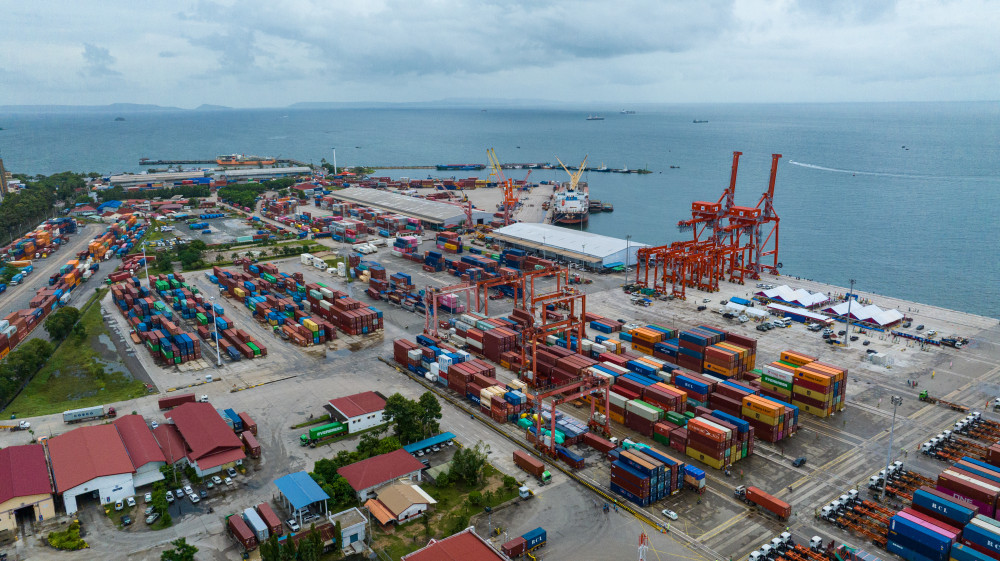
Cambodia’s total trade volume in 2025 exceeded US$64 billion, with exports reaching US$30.43 billion and imports valued at US$33.88 billion, according to the General Department of Customs and Excise of Cambodia (GDCE).
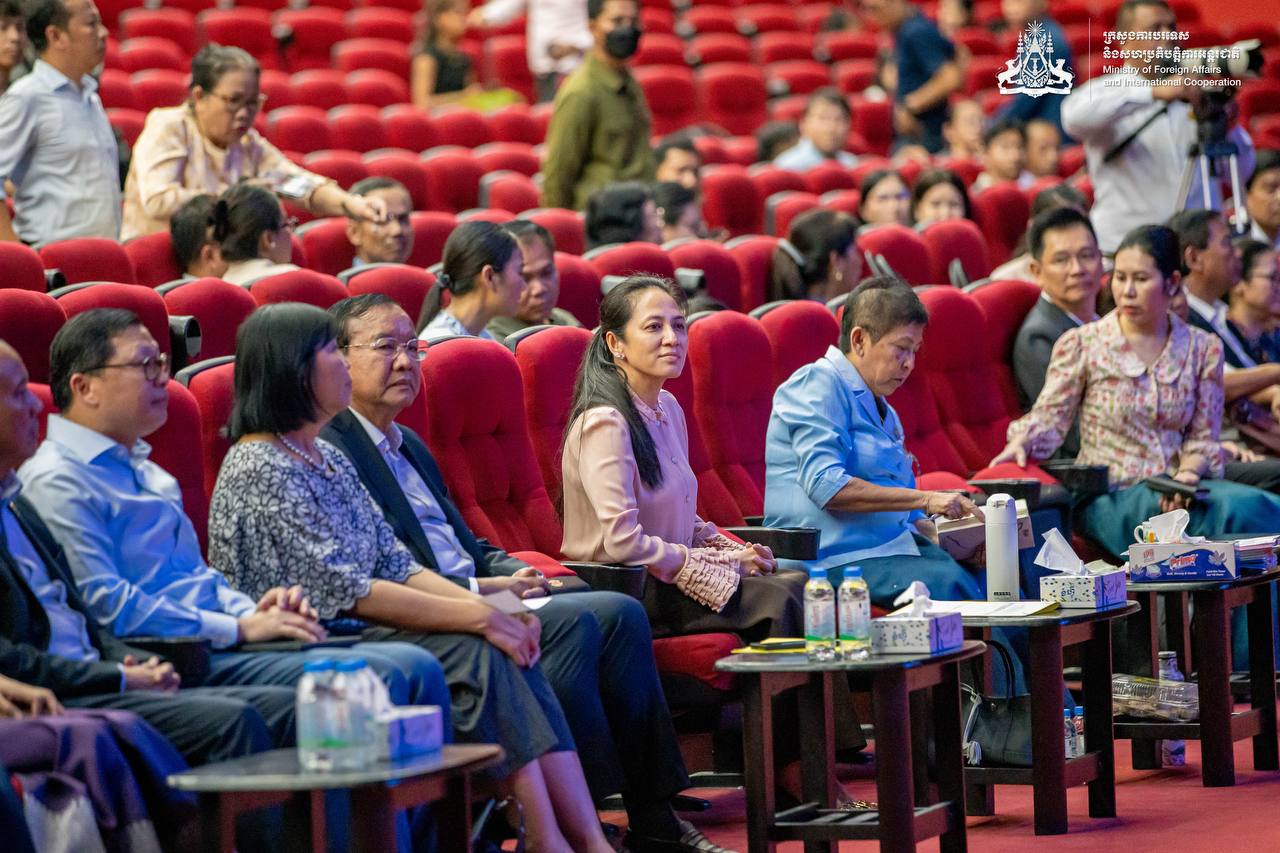
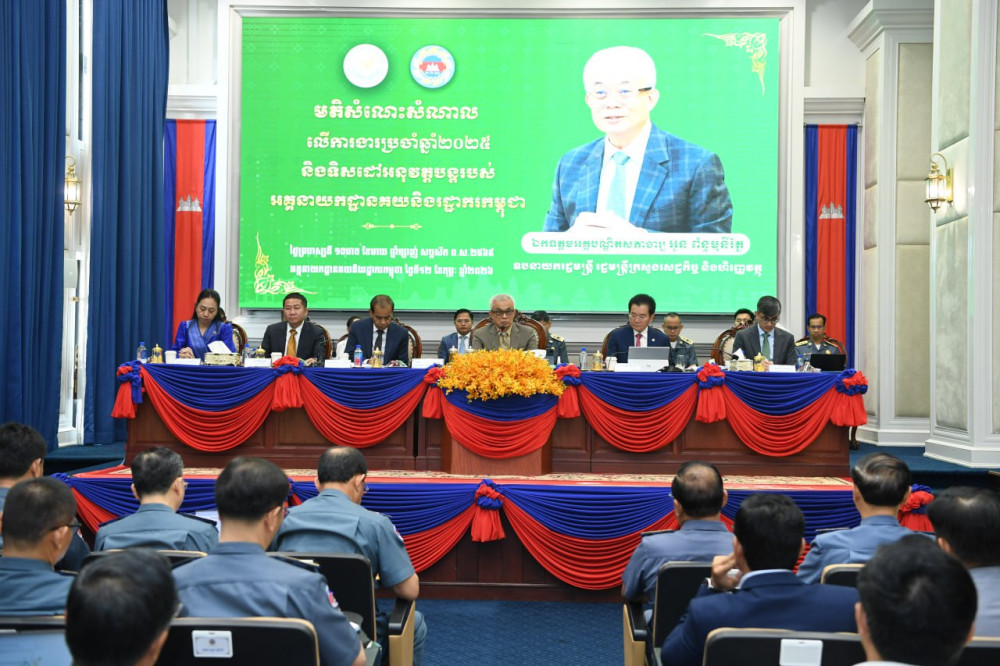
Speaking at the GDCE’s 2025 annual review meeting and 2026 work orientation held in Phnom Penh on Feb. 12, H.E. Dr. Kun Nhim, Minister Attached to the Prime Minister and Director General of the GDCE, said exports increased by 14.6 percent while imports grew by 18.7 percent year-on-year.
He noted that major imports included petroleum products, vehicles and machinery, textile raw materials, manufacturing inputs, construction materials, chemicals, consumer goods, equipment for investment projects, and other assorted products.
On the export side, garment investment products rose by 16.4 percent, while non-garment industrial exports – such as car tyres, electronic components, wiring harnesses, wood products, furniture, bicycles, plastic products, video games equipment and machines, animal hides, auto parts, and other industrial goods – increased by 20.1 percent. However, agricultural exports declined by 4.4 percent.
Deputy Prime Minister and Minister of Economy and Finance H.E. Dr. Aun Pornmoniroth praised customs officials nationwide for achieving strong revenue and operational results despite challenges including Cambodia-Thailand land border closures, global geopolitical uncertainty, U.S. reciprocal tariffs in early second quarter of 2025, and the ongoing Russia-Ukraine war.
He encouraged GDCE officials to continue carrying out their duties with professionalism, reaffirming the Ministry of Economy and Finance’s continued support for strengthening customs effectiveness.
To further improve revenue collection and operational efficiency in 2026, H.E. Dr. Aun Pornmoniroth issued key policy directives, including strengthening efforts to combat tax evasion and illegal imports, enhancing compliance with rules of origin for exports, accelerating digital transformation in customs operations with a long-term vision of full automation, expanding participation in the Authorised Economic Operator (AEO) programme, and continuing the implementation of government measures related to trade facilitation and investment climate improvement.
Additional priorities include improving the effectiveness of incentive mechanisms for Qualified Investment Projects (QIPs), strengthening operational efficiency, and enhancing governance across the customs administration, he added.
By C. Nika