KH
KH  FR
FR  AR
AR CN
CNCamera Traps Reveal Rare and Endangered Wildlife in Virachey National Park
AKP Phnom Penh, February 12, 2026 --
A year-long camera-trap biodiversity survey conducted throughout 2025 has revealed the remarkable richness of wildlife in Virachey National Park, underscoring its importance as one of Cambodia’s most significant conservation areas.
According to a joint press release AKP received this morning, the survey, carried out jointly by Fauna & Flora and the Ministry of Environment, with support from the Rattanakiri Provincial Department of Environment and active participation from Indigenous Peoples and local communities, recorded a total of 42 species. These included 32 mammal species, nine bird species, and one invertebrate species. Among the recorded wildlife, two species are classified as Critically Endangered, five as Endangered, and 13 as Vulnerable.
Notably, camera-trap footage captured a herd of Asian elephants moving through the forest, providing compelling evidence of the park’s high ecological integrity and its suitability as a critical habitat for large and threatened species.
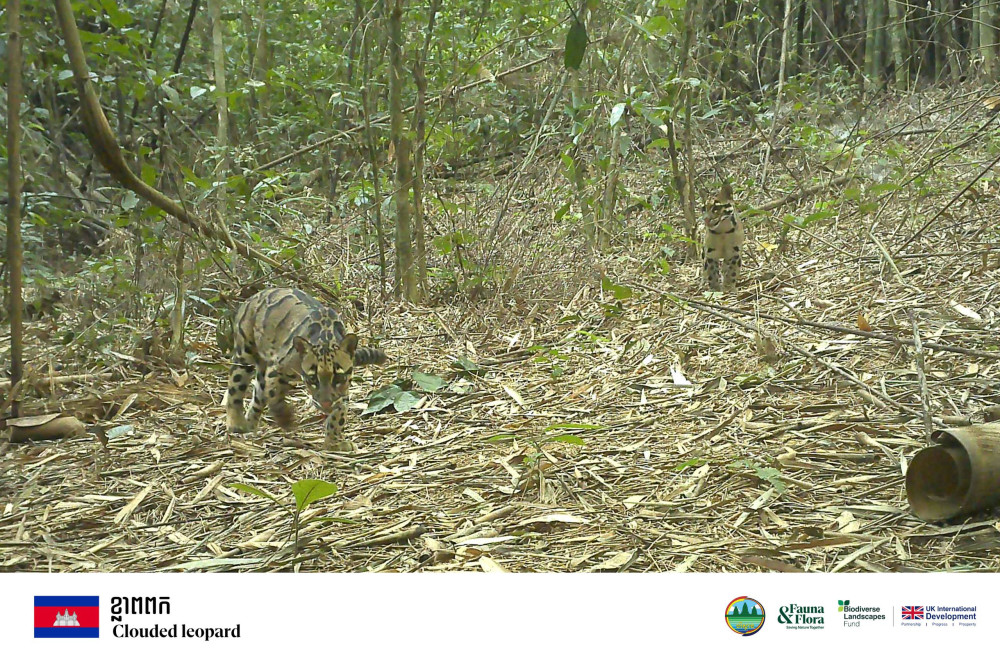
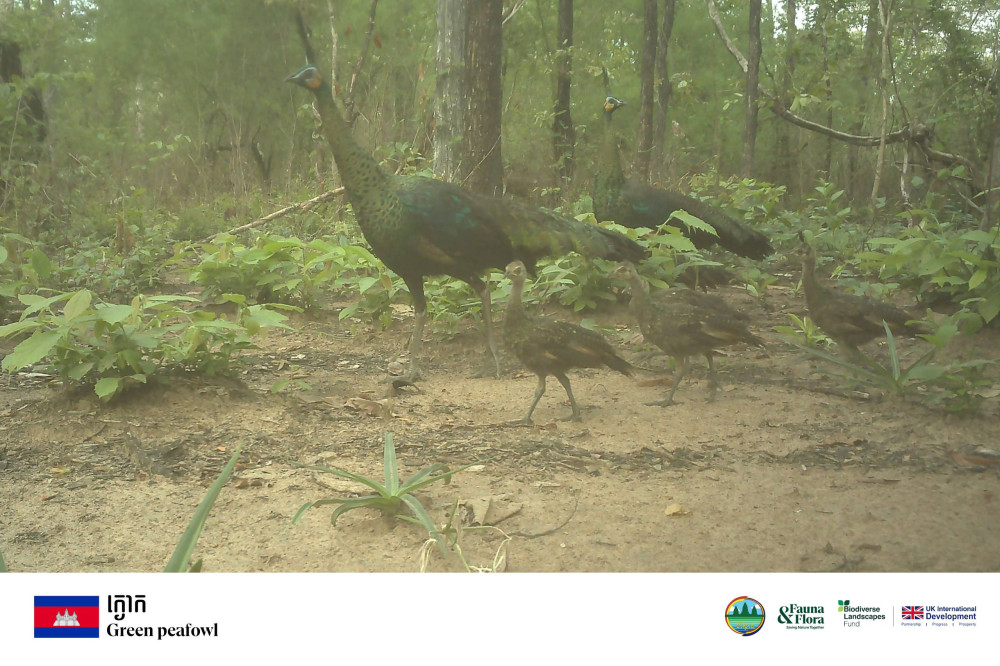
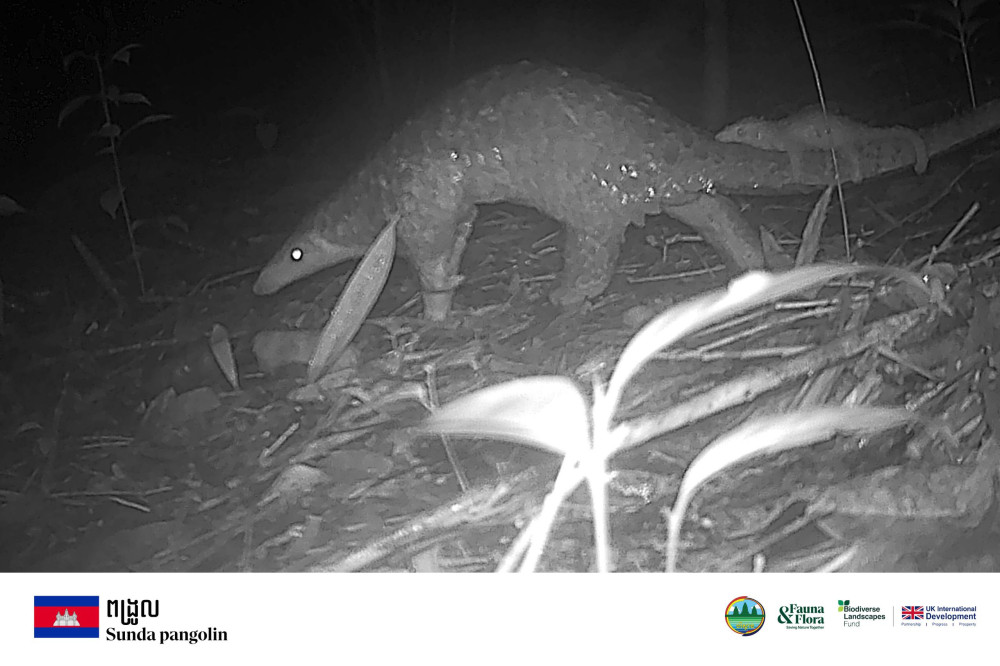
Other rare and significant species documented during the survey include the dhole, clouded leopard, Asian golden cat, marbled cat, Sunda pangolin, Bengal slow loris, douc langur, green peafowl, and great hornbill.
H.E. Khvay Atiya, Undersecretary of State and Spokesperson for the Ministry of Environment, said the findings reaffirm Virachey National Park’s national and global importance. “Virachey National Park is a treasure of Cambodia, home to a rich diversity of species. This survey provides invaluable knowledge that will guide our efforts to protect these forests and their wildlife, while also supporting the communities who depend on them,” he said.
Mr. Vanny Lou, Terrestrial Programme Manager of Fauna & Flora’s Cambodia Programme, highlighted the role of camera traps in advancing conservation science. He noted that the data helps researchers better understand wildlife behaviour, habitat use, and interactions with nearby human settlements.
The main goal of this survey is to strengthen conservation actions in this biodiversity hotspot, taking into account the needs of both wildlife and local communities. People living near this protected area can play a key role in effectively protecting wildlife, but they face their own set of challenges. Therefore, harmonising conservation goals with local development needs is not merely a social objective, but an ecological necessity for the survival of the region's extraordinary biodiversity.
The activity was supported by the United Kingdom’s Department for Environment, Food and Rural Affairs (DEFRA) through the Biodiverse Landscapes Fund.
By C. Nika