KH
KH  FR
FR  AR
AR CN
CNMajor Dam Project in Northwestern Cambodia Boosts Water Security and Agricultural Resilience
AKP Phnom Penh, December 01, 2025 —
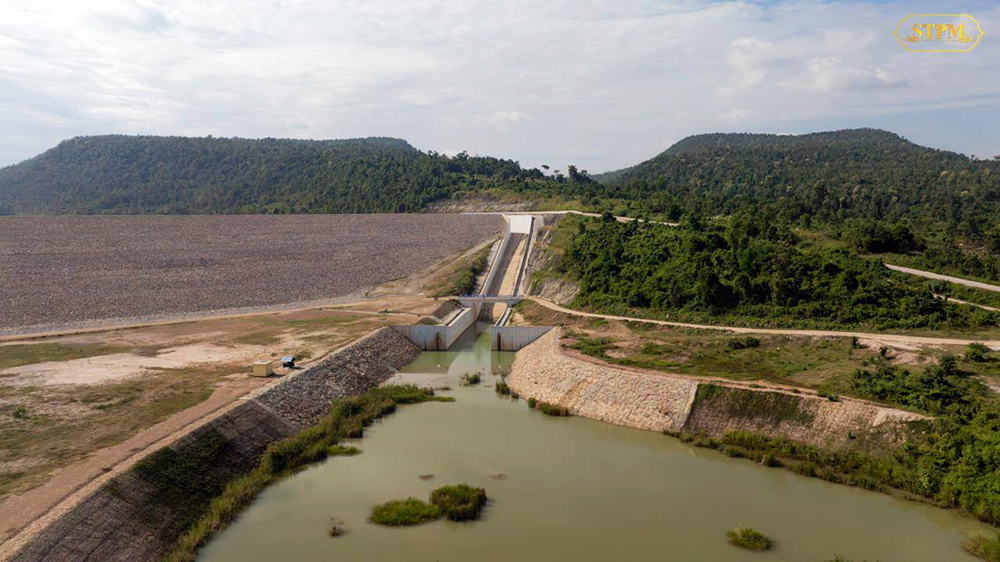
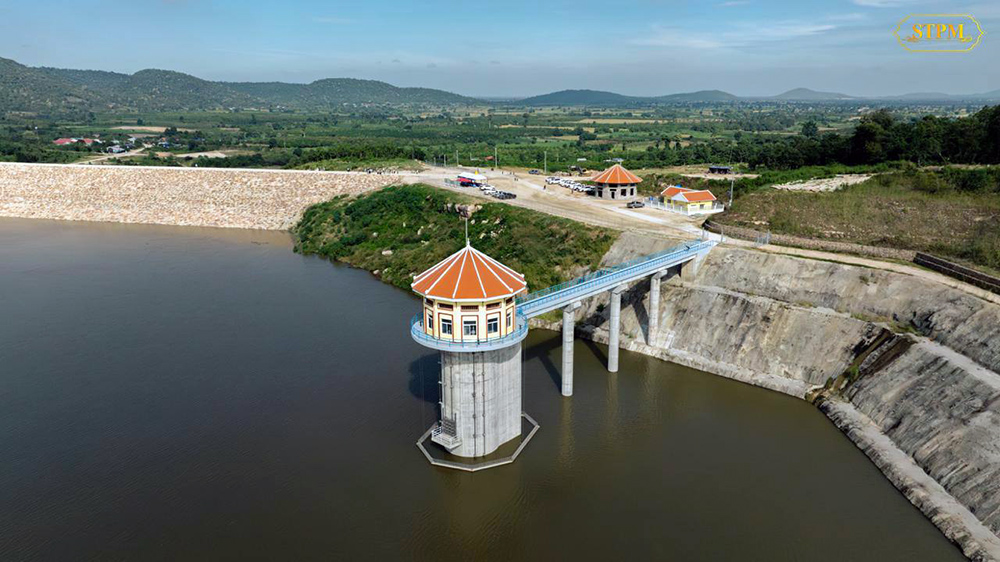
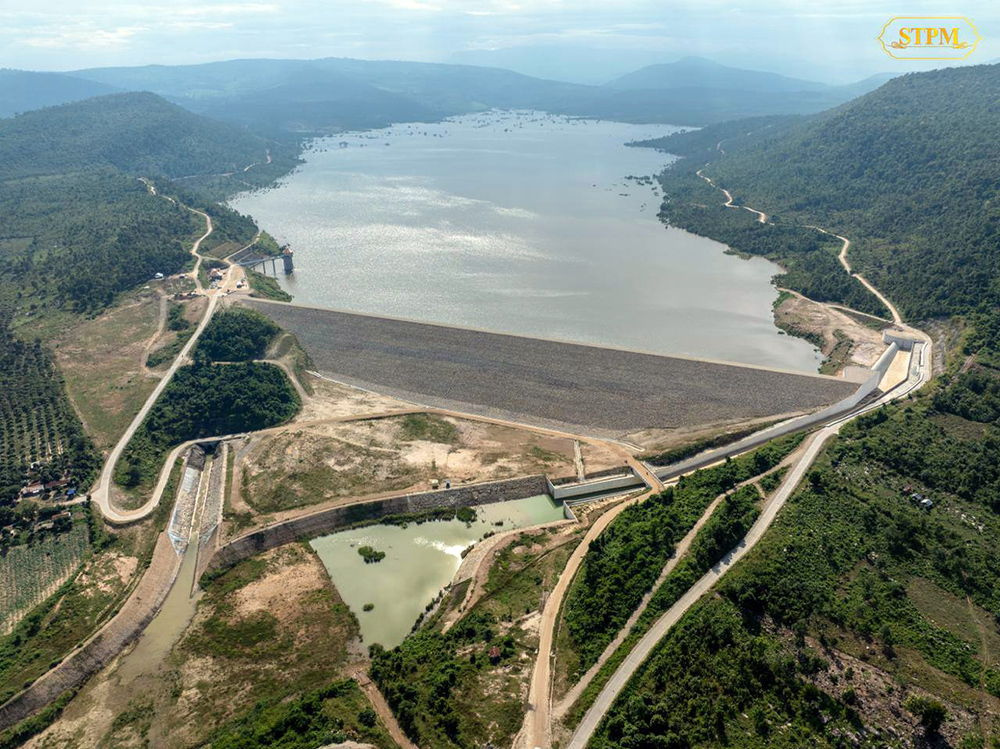
The Dauntri Dam, a landmark water infrastructure project with a total storage capacity of 163 million cubic metres, has been officially completed in northwestern Cambodia.
The reservoir is poised to significantly enhance irrigation capabilities, bolster agricultural output, and provide flood control for the region.
Located in Battambang province's Rukhak Kiri district, the dam, whose construction began in 2018, represents a critical investment in Cambodia's water security.
It is designed to irrigate approximately 33,000 hectares of farmland during the rainy season and 4,500 hectares during the critical dry season, mitigating the impacts of drought and enabling more stable year-round production.
The extensive irrigation network serves 11 communes across Moung Russey and Rukhak Kiri districts in Battambang, as well as Bakan district in the neighbouring Pursat province. Beyond agriculture, the reservoir will contribute to the supply of clean water and help protect downstream areas from seasonal flooding.
The completion of the Dauntri Dam construction aligns with the Royal Government of Cambodia's strategic focus on strengthening the nation's water resource infrastructure. The development of large-scale reservoirs is a cornerstone of the Royal Government’s policy to secure agricultural production, a vital sector for the national economy and food security.
Water resource management remains one of the five key pillars of Cambodia's Rectangular Strategy. The Ministry of Water Resources and Meteorology is the lead agency tasked with implementing this strategic vision through projects like the Dauntri Dam.
The Royal Government of Cambodia continues to prioritise the expansion and modernisation of its irrigation systems. These investments are critical not only for enhancing agricultural productivity but also for supporting rural livelihoods, ensuring clean water access, and building climate resilience against floods and droughts.
By K. Rithy Reak