KH
KH  FR
FR  AR
AR CN
CNMinisters Engage Students on Judicial and Energy Reform Priorities
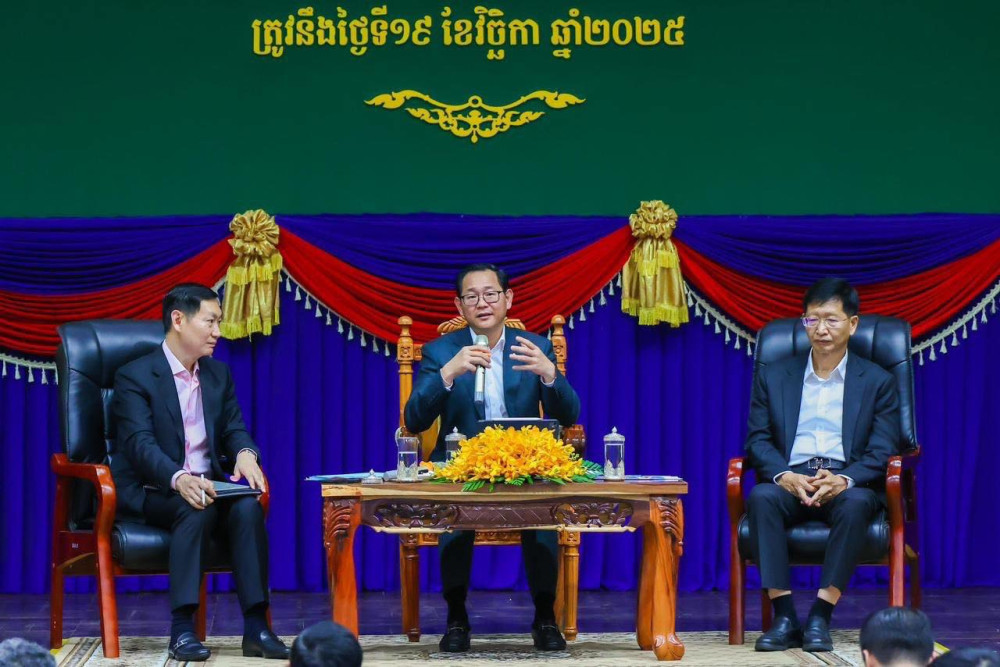
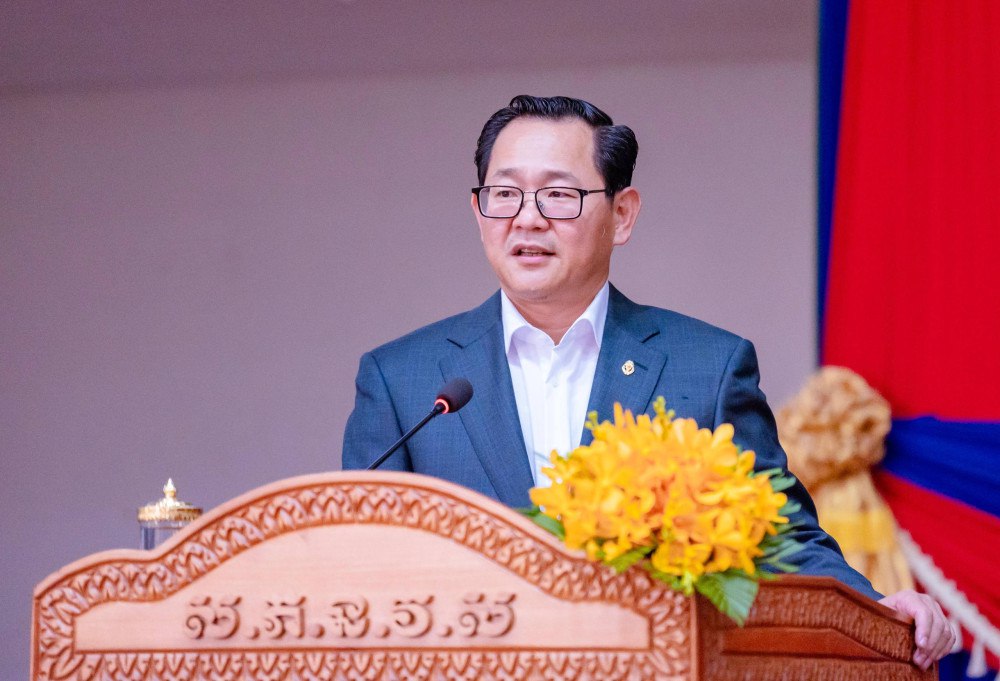
AKP Phnom Penh, November 20, 2025 -- Deputy Prime Minister and Minister of Justice H.E. Koeut Rith and Minister of Mines and Energy H.E. Keo Rattanak, participated in a high-level dialogue with students at the National University of Law and Economics (RULE) yesterday afternoon, focusing on core national reform agendas.
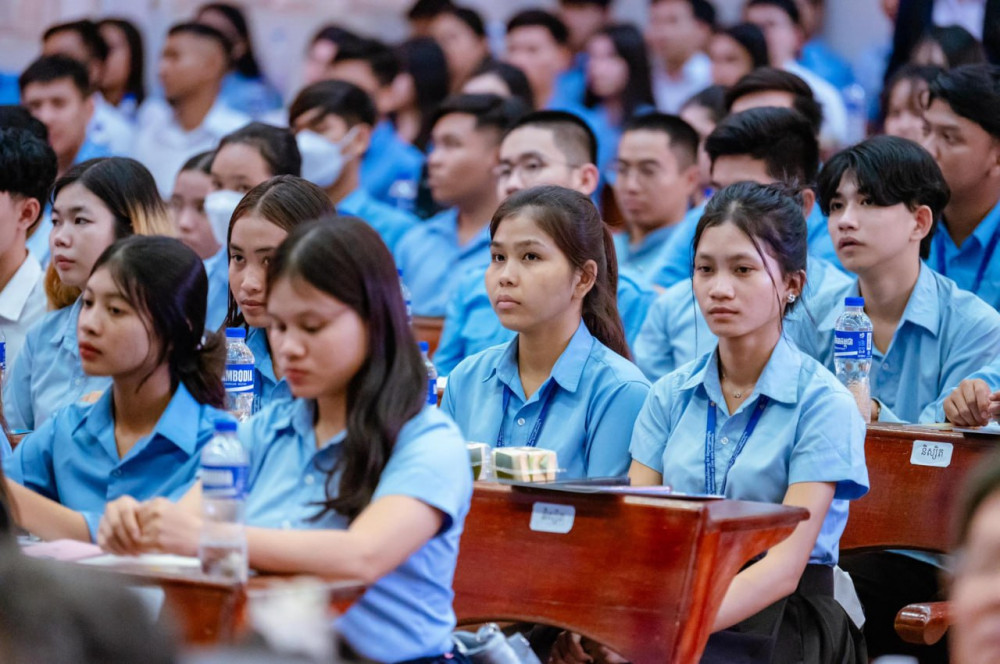
The forum, which included the university's rector, senior faculty, lecturers, and approximately 350 students, served as an interactive platform for the next generation to engage directly with key policymakers.
Addressing the gathering, Deputy Prime Minister H.E. Koeut Rith presented remarks titled: "Key Priority Tasks for Judicial Reform under the Royal Government of Cambodia's 7th Legislature." He stressed that judicial reform is a cornerstone policy of the current Royal Government, essential for strengthening the rule of law across the nation.
He highlighted the Royal Government’s steadfast commitment to developing human resources within the justice sector on the basis of meritocracy.
The Justice Minister elaborated on the sector's strategic approach: "equipping capable individuals with responsibility, and equipping those with responsibility with the necessary capacity."
In his concluding message, the Deputy Prime Minister urged students to act as vital links in fostering a culture of lawfulness by actively sharing and disseminating legal knowledge within their local communities.
Minister Keo Rattanak followed with a presentation on "Reform Directions for Cambodia's Mines and Energy Sector." He detailed the ministry's three critical areas of oversight: oil and gas, minerals, and energy.
Minister Rattanak briefed the participants on the Royal Government’s continuous efforts to ensure the sustainable development of these resources while safeguarding the critical goal of national energy security.
The event concluded with an active question-and-answer session, allowing students to directly pose questions to both ministers on governance, ongoing reforms, and future national development strategies.

By K. Rithy Reak