KH
KH  FR
FR  AR
AR CN
CNPM: Rural Sanitation Enhancement Remains Royal Government’s Priority
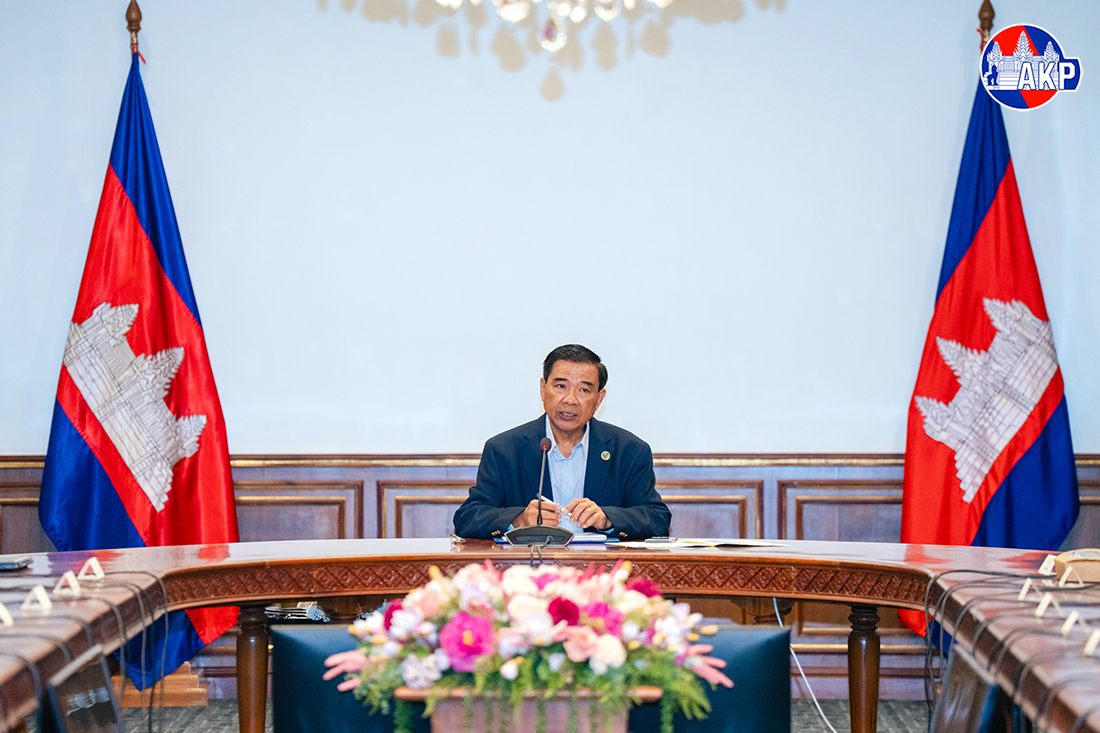
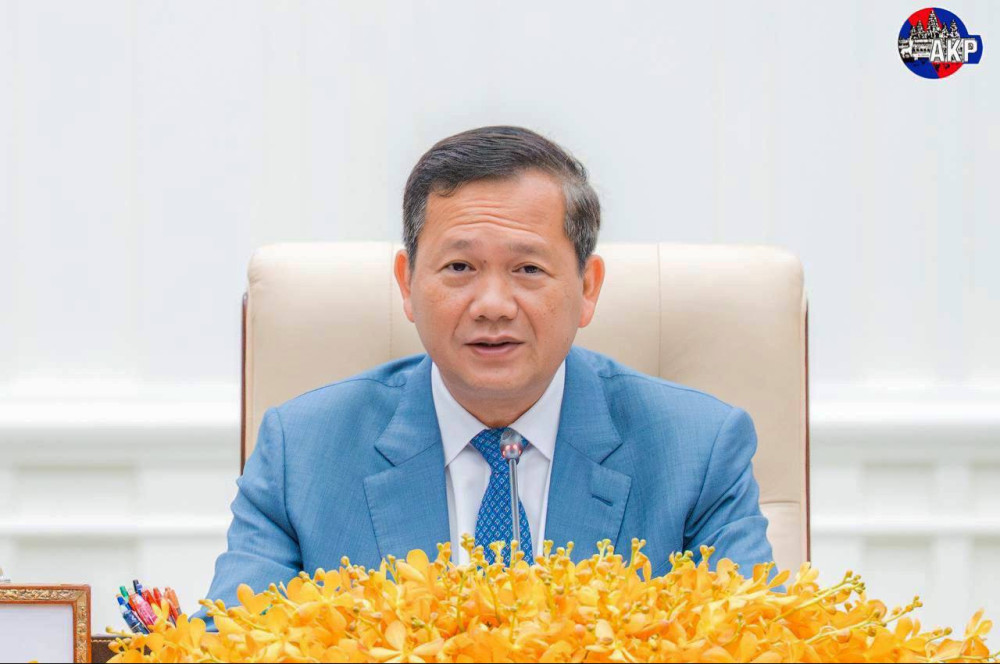
AKP Phnom Penh, November 07, 2025 -- Prime Minister Samdech Moha Borvor Thipadei Hun Manet has reaffirmed that promoting rural sanitation remains a key priority of the Royal Government of Cambodia.
In a message marking the 16th National Rural Sanitation Day to be celebrated on Nov. 13, the Premier underlined that the first phase of the Pentagonal Strategy and the political programme of the Royal Government of the 7th legislature of the National Assembly (2023–2028) clearly emphasise the need to continue advancing rural development by improving the living conditions of rural communities, with a particular focus on expanding rural water supply and sanitation services to achieve 100 percent coverage by 2030.
Samdech Thipadei highlighted the remarkable progress made in improving access to rural sanitation services. “To date, all 25 capital and provincial administrations across the country – covering 14,576 villages, 1,652 communes, 163 districts, 33 cities and 14 khans – have achieved Open Defecation Free (ODF) status, marking another historic milestone for Cambodia,” he noted.
He added that rural sanitation coverage has risen from 90 percent in 2024 to 95 percent in 2025, and is expected to reach 100 percent by 2030.
“This achievement clearly reflects the collective efforts of the Royal Government, relevant institutions, and citizens nationwide in promoting rural sanitation in line with the policies, strategies, and action plans established in recent years,” the Prime Minister said. “It also demonstrates a positive shift in public awareness and sanitation practices.”
Samdech Thipadei took the opportunity to commend and thank the Ministry of Rural Development, relevant ministries and institutions, development partners, non-governmental organisations, and citizens for their active participation in promoting rural sanitation. He encouraged continued collaboration and commitment to further improve sanitation conditions and ensure the successful realisation of the Royal Government’s development goals.
By C. Nika