KH
KH  FR
FR  AR
AR CN
CNCambodia Emphasises Majority Rule in Democracy, Acknowledges Minority Voices
AKP Phnom Penh, March 12, 2025 --
Cambodia's democratic system, built on free and fair multi-party elections, operates on the principle of majority rule, according to H.E. Pen Bona, Delegate Minister Attached to the Prime Minister.
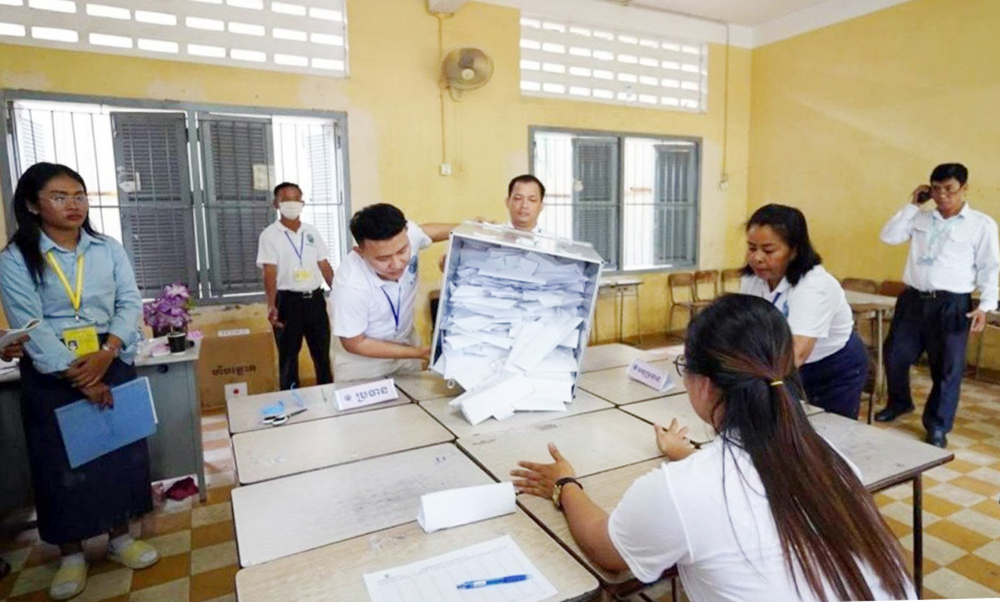
The nation holds regular elections every five years, both nationally and locally, with the winning party determined by a majority vote.
H.E. Pen Bona stressed that while minority opinions are valued, final decisions rest with the majority. "In a democracy, we listen to the minority, but decisions are made by the majority," he stated.
This ensures inclusivity, allowing minority groups to voice concerns and proposals. If these are deemed reasonable, the majority can consider them for implementation. However, proposals driven by personal agendas or deemed unreasonable will not be considered.
He criticized certain extremist groups, who call themselves "democrats," for actions that contradict democratic principles. "They lose elections but demand the winners step down," he said.
He condemned attempts to mobilise small groups for protests and exert pressure on the royal government, and the use of illegal tactics like "colour revolutions" to overthrow the legitimate royal government.
H.E. Pen Bona also addressed the role of some NGOs, stating that a few self-appointed groups claim to represent the entire population and pressure the royal government. He noted that these groups often focus on minor negative incidents while ignoring the royal government's significant achievements.
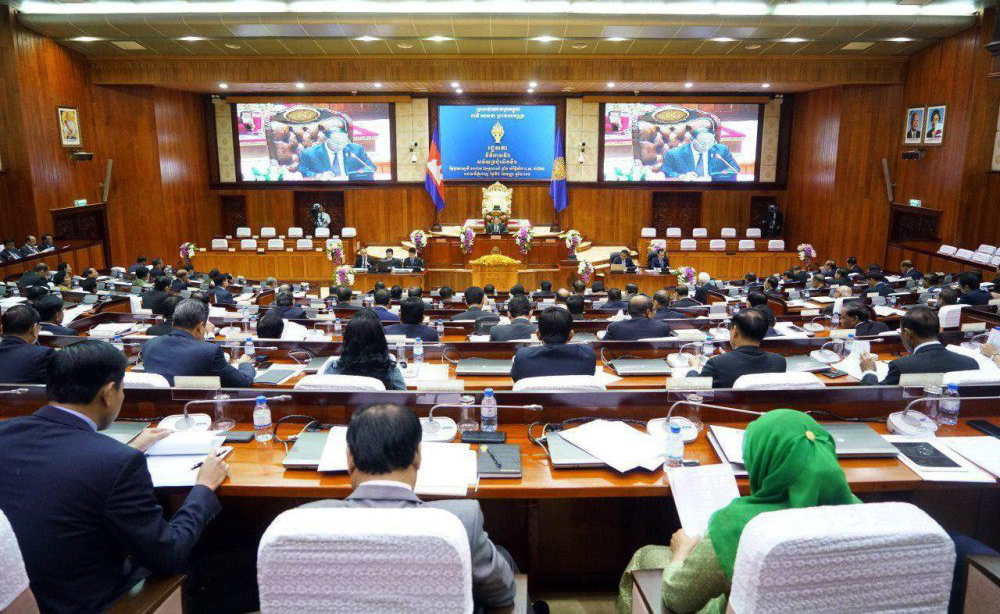
He emphasised that strengthening democracy in Cambodia requires adherence to election results, respect for majority decisions, and compliance with Cambodian law. The elected royal government, backed by a significant majority, has a mandate to implement its policies and maintain social order.
H.E. Pen Bona called on those "lost in democracy" to align their actions with democratic principles. "If not, they should stop calling themselves 'democrats,' as their actions undermine democracy," he concluded.
By K. Rithy Reak