KH
KH  FR
FR  AR
AR CN
CNTraditional Smoked Fish Production in Kampong Khleang: A Cultural and Tourism Attraction
AKP Siem Reap, February 12, 2025–
In Kampong Khleang commune, located in Siem Reap’s Sotr Nikum district, some 45 kilometres southeast of Angkor Wat and bordering the Tonle Sap Lake, local fishing communities are busy preserving their age-old tradition of making smoked fish.
This practice, passed down through generations, not only sustains their daily livelihoods but also serves as a unique cultural attraction for tourists. Soeum Kimsan, a resident of Spean Veng village in Kampong Khleang, has been making smoked fish since 2008, continuing a family tradition that dates back generations.
He explains that his production is not seasonal—whenever fish are available, he processes them to supply the market and support his family. The primary fish used for smoked fish are from varieties of fresh-water fish. These fish are sourced from local fishermen in the community.
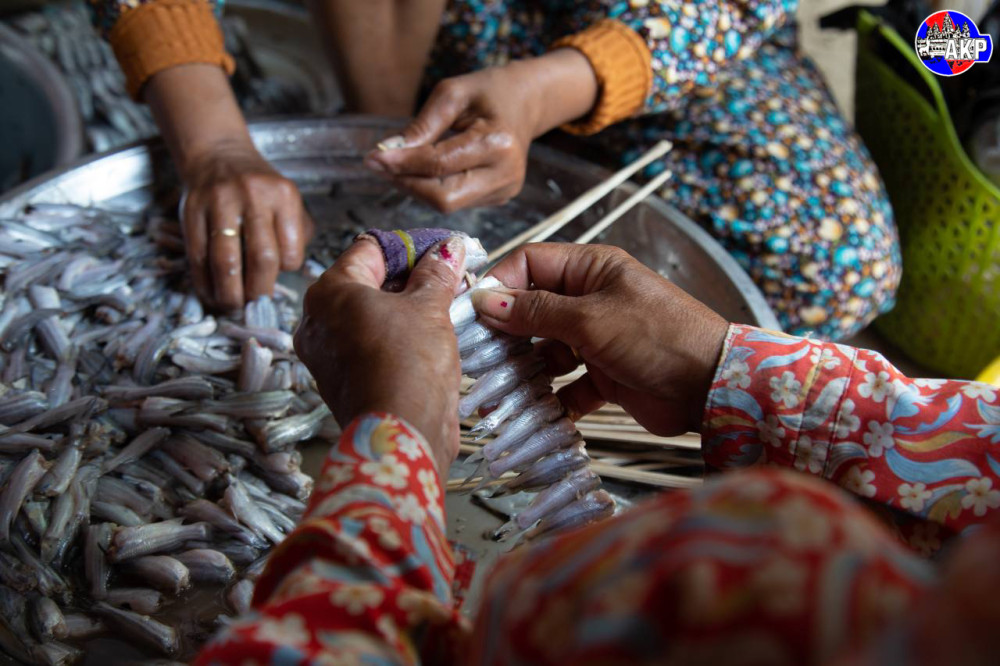
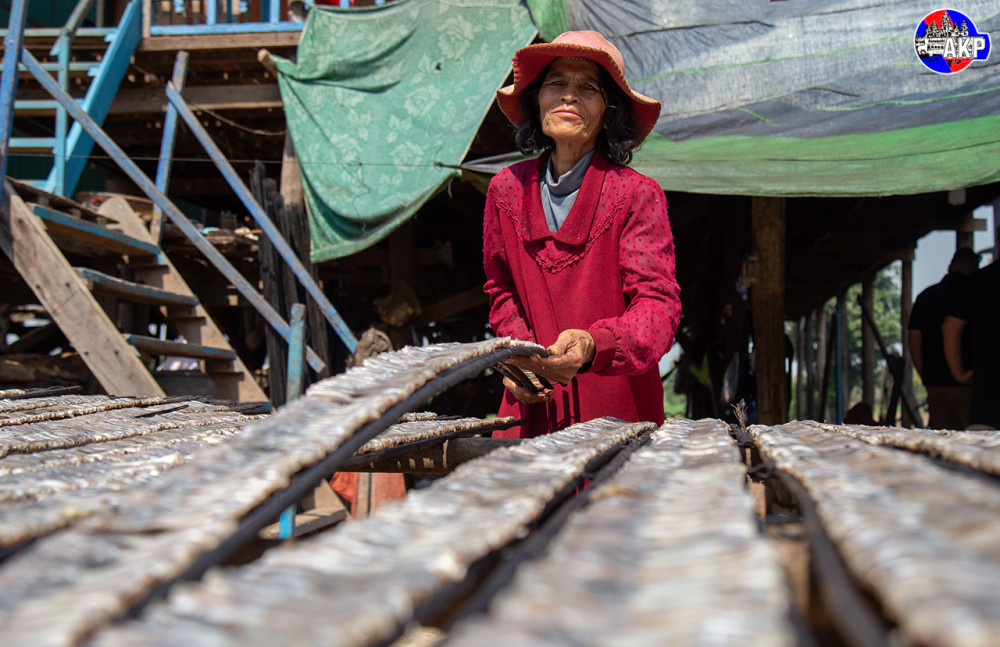
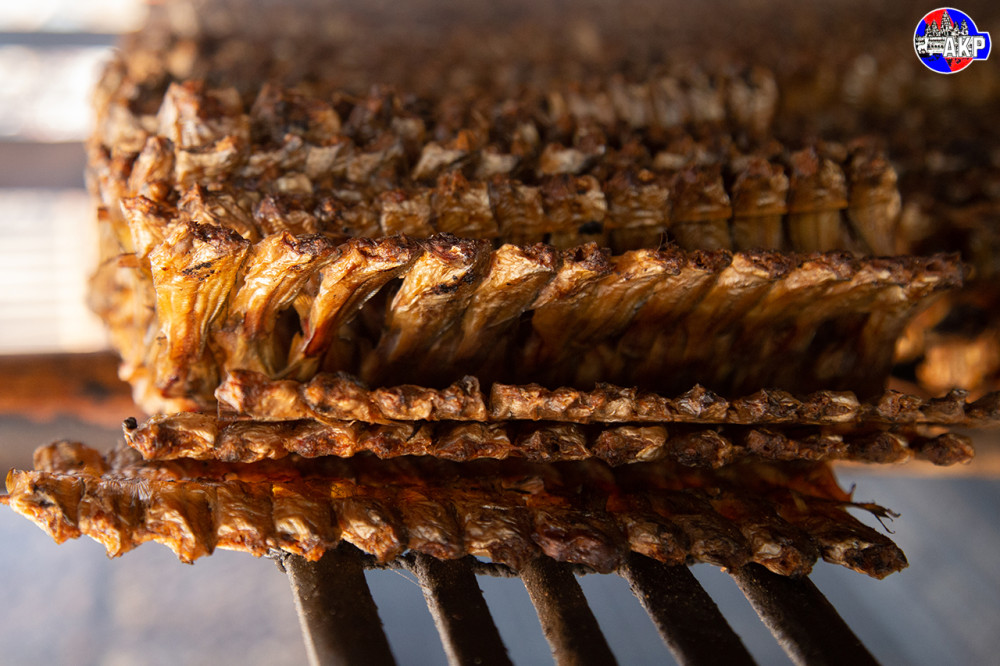
The process of making smoked fish is meticulous. It starts with cleaning and gutting the fish before briefly soaking them in ice water to firm up the flesh. The fish are then skewered and sun-dried for about two hours before being placed in a drying chamber for four to five more hours.
The final product can last between five to six months, while filleted and properly stored smoked fish can remain edible for up to a year.
Kimsan notes that while bulk buyers still come directly to purchase from his home, demand has slightly declined compared to previous years due to increased competition from other regions. However, smoked fish remains a staple in Cambodian cuisine, used in various dishes such as soups, salads, and traditional dipping sauces. It is also commonly paired with green mango or eaten with soy sauce.
According to Touch Bunthoeurn, a member of the Kampong Khleang Commune Council, the commune is home to around 1,800 families, with over 85 percent relying on fishing as their primary source of income. The remaining 15 percent engage in fish farming, peanut cultivation, and fish product processing, including making prahok, fermented fish, and dried fish.
Currently, 30 families specialise in smoked fish production, preserving a trade that has been passed down through generations.
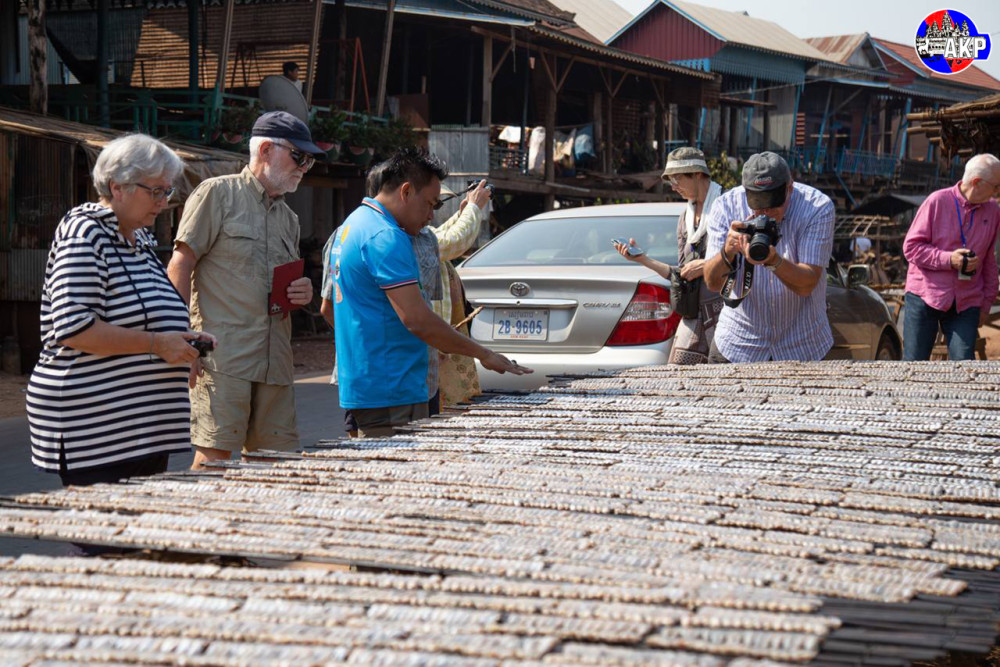
Beyond its economic importance, smoked fish production has also become an integral part of Kampong Khleang’s tourism appeal.
Visitors can observe the drying process firsthand, providing an authentic glimpse into the community’s way of life. The commune boasts significant ecotourism potential through the Kampong Khleang Community-Based Tourism Initiative, which offers boat tours through the floating village and flooded forest, sunset cruises, homestay experiences, and traditional Khmer meals.
The region’s cultural heritage—including its long-standing traditions of smoked fish, prahok, and fermented fish production—adds another layer of attraction for both domestic and international visitors.
For those eager to explore the rich culture and daily life of the Tonle Sap fishing communities, Kampong Khleang is a must-visit destination.
By K. Rithy Reak